A pressure washing water reclaim system captures dirty wash water before it reaches storm drains, soil, or waterways. It may use drain covers, berms, vacuums, tanks, pumps, and filters. Commercial sites in Largo may need this plan when water contains oil, grease, dirt, food waste, or cleaning products.
Table of Contents
- What Is a Pressure Washing Water Reclaim System?
- Why Do Commercial Pressure Washing Runoff Rules Matter?
- Where Can Pressure Washing Wastewater Be Discharged?
- How Is Wastewater Captured During Commercial Pressure Washing?
- What Documentation Should a Commercial Client Expect?
- How Can Property Owners Prepare for Runoff-Compliant Cleaning?
- How Do You Choose a Commercial Pressure Washing Provider?
- Frequently Asked Questions
What Is a Pressure Washing Water Reclaim System?
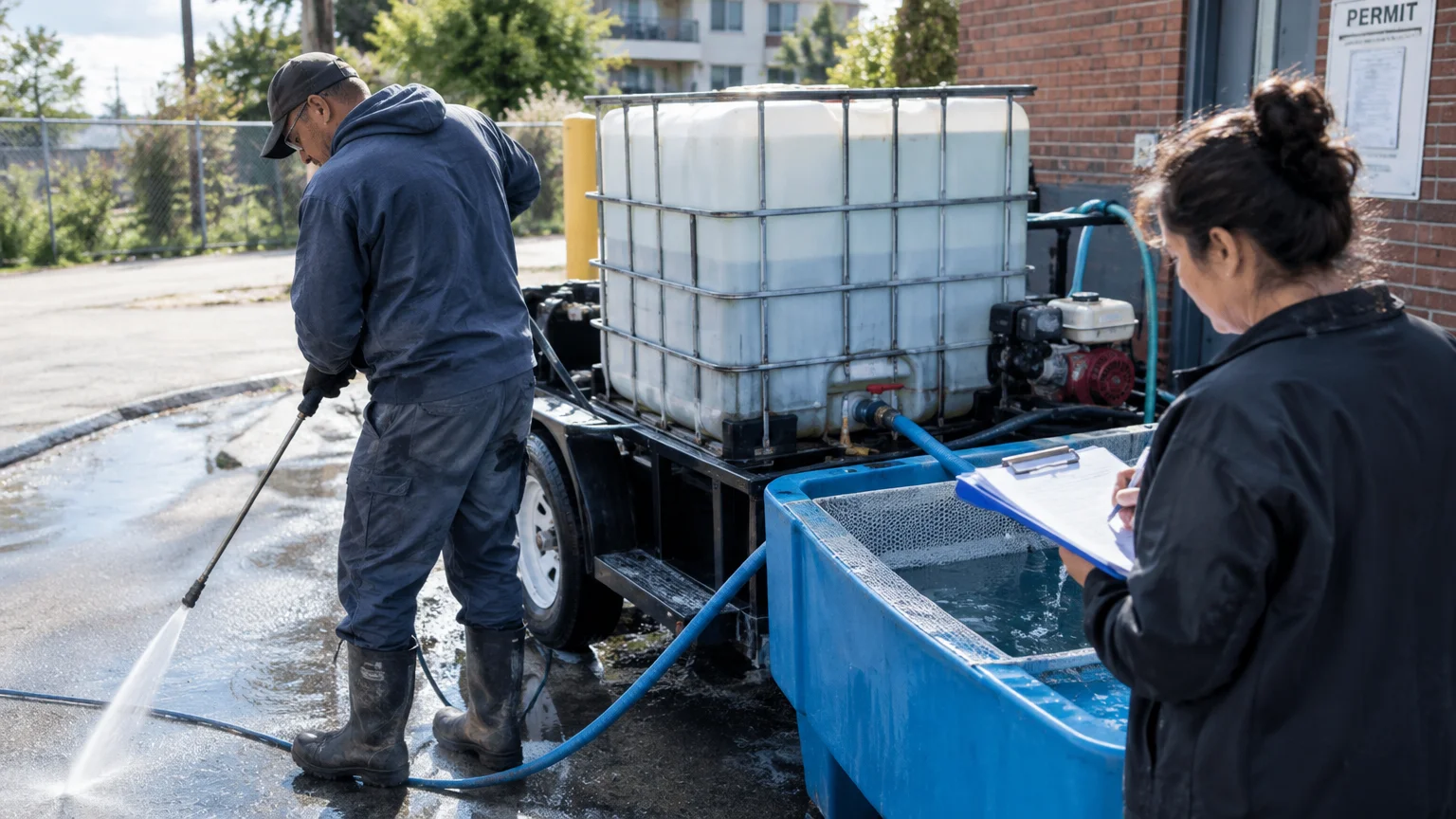
A pressure washing water reclaim system collects used wash water before it flows into a storm drain, soil, or nearby waterway. The system may use berms, drain covers, vacuum tools, filters, tanks, pumps, and hoses. The right setup depends on the surface, site layout, water flow, and local disposal rules.
Water reclamation means collecting dirty water for safe handling. It is more than moving water away from one drain. Ordinary runoff control may block a path or guide water to another spot. Reclamation captures the water and moves it to an approved place for treatment, sewer discharge, or disposal.
This step matters when wash water contains oil, food waste, heavy dirt, paint chips, or cleaning products. Pressure Washing Largo can help commercial property owners plan the work before cleaning begins.
How water reclamation differs from ordinary runoff control
Runoff control keeps dirty water from spreading across the site. Reclamation goes further by recovering that water for approved handling. A crew may first sweep or remove loose dirt and trash. This lowers the amount of solid waste that enters the recovery system.
A pressure washing water reclaim system can be simple or highly specialized. A small storefront may need drain covers and one vacuum unit. A large parking lot may need several berms, collection points, holding tanks, and a planned discharge route. The goal is always the same: keep dirty water out of unsafe places.
Which commercial projects may require reclamation
Reclamation may be needed for restaurants, fueling areas, parking garages, loading docks, warehouses, and busy sidewalks. It may also be needed where crews clean oil stains, grease, gum, or strong cleaning products. A site review helps match the equipment to the job.
Pressure Washing Largo can help Largo property managers check drain locations, low spots, traffic areas, and nearby landscaping. This early review helps the crew choose a safe capture plan. It also gives the property owner time to check site rules.
Why Do Commercial Pressure Washing Runoff Rules Matter?
Runoff rules matter because storm drains often carry water to streams, lakes, or rivers. They may not provide the same treatment as sanitary sewer systems. Dirty wash water can carry dirt, oil, grease, metals, food waste, and detergents. The U.S. Environmental Protection Agency explains how stormwater controls help limit pollutants.
A lot can look clean and still create a problem during washing. Dark water may contain oil from cars. Restaurant sidewalks may hold fats and food scraps. Building walls may release paint chips, mildew, or heavy dirt. These materials can harm water quality and may break local discharge rules.
How detergents, oil, grease, and sediment affect storm drains
Detergents can carry loosened dirt farther from the work area. Oil and grease can coat surfaces and harm water life. Sediment is loose soil or grit that can cloud water and settle in drain pipes. Small amounts can still cause problems when they enter drains again and again.
Runoff can also create a slip risk on sidewalks, ramps, and entrances. It may stain plants or flow into another tenant’s space. A careful crew plans where water will go before work starts. That plan is part of good commercial pressure washing, not a last-minute task.
The same care matters for house washing, soft washing, and driveway washing prep. Home and commercial sites have different needs, but all dirty water should be controlled. Property owners should ask how the crew will protect drains and nearby areas.
Potential consequences of uncontrolled wastewater discharge
The results of poor wastewater control vary by location and by what the water contains. A business may face cleanup work, complaints, work delays, or action from an agency. It may also need to explain the event to an owner, tenant, manager, or local office.
Prevention is the safest choice. Property owners should ask how the crew will block drains, collect wastewater, move it, and record its disposal. These questions make the plan clear before equipment arrives.
Where Can Pressure Washing Wastewater Be Discharged?
Pressure washing wastewater should go only to a place approved by the local authority, utility, or property owner. Possible choices may include an approved sanitary sewer connection, a permitted treatment point, or a licensed disposal site. A storm drain is not automatically an approved discharge point.
The right destination depends on what is in the water and where the work takes place. Rules for clean rainwater may not apply to water used on concrete, loading areas, or restaurant sidewalks. The crew may need to contain, test, filter, or remove the water instead of sending it into a drain.
Storm drains, sanitary sewers, and landscaped areas
Storm drains move water away quickly, but speed does not make dirty wash water safe. Sanitary sewer discharge may be allowed in some places after approval and with controls. A landscaped area may suit limited clean water in some settings. It is not a general answer for water with oil, grease, chemicals, or heavy sediment.
Property owners should not assume one rule covers every property. A shopping center, hotel, and office park may have different drains, owners, permits, and site rules. The main Largo area, from Downtown Largo and Harbor Bluffs to Clearwater, Seminole, Belleair, Pinellas Park, and nearby communities, may include different requirements.
A provider should confirm the plan for each property. This includes checking which drains are storm drains and whether a sewer connection may be used. It also includes checking who must give approval.
Why local requirements can differ
Municipal sewer agencies, stormwater offices, landlords, and property managers may set separate conditions. Some may ask for notice before work. Others may need written approval, a treatment step, or records that show where the water went.
A reliable provider asks these questions before washing begins. Which drains are storm drains? Is sewer discharge allowed? Who gives approval? What materials are on the surface? Are there tenant hours or safety rules? Clear answers help prevent rushed choices during cleaning.
How Is Wastewater Captured During Commercial Pressure Washing?
Wastewater is captured with a planned mix of barriers, drain covers, hoses, vacuums, pumps, tanks, and filters. The crew should inspect the site first. It should find low points and map the path water would naturally take. Equipment should be placed before washing begins.
Common tools include temporary berms, weighted mats, drain inserts, wet vacuums, recovery surface cleaners, transfer pumps, and storage tanks. The best choice depends on water flow, pavement slope, access, traffic, and the amount of loose dirt. A pressure washing water reclaim system must match the site, not only the spray machine.
Common recovery equipment and containment methods
Berms form a temporary boundary around part of the work area. Drain covers stop water from entering nearby openings. Vacuum hoses collect water at the edge of the surface. Tanks hold the water until the crew can move it to an approved place.
Filters may remove solid pieces before water moves into a tank or approved sewer connection. They do not make every kind of wastewater safe for discharge. Oil, grease, chemicals, and other pollutants may need separate handling. The provider should explain the job of each tool.
Planning for complex commercial surfaces
Loading docks may need extra barriers because water can flow toward doors or truck lanes. Parking lots often need several collection points because they cover wide, sloped areas. Storefronts need care near public sidewalks, entrances, plants, and nearby businesses.
Uneven concrete can leave low spots where water gathers. The crew may need to pause, move equipment, or add another vacuum point. Good planning also includes cones, signs, safe hose placement, and a way to keep people away from wet areas. These steps protect both people and property.
What Documentation Should a Commercial Client Expect?
Commercial clients should expect clear records about the work plan, safety steps, and wastewater method. The exact records depend on the job and local rules. A provider should explain what applies instead of saying that one form fits every property.
Useful records may include a site review, written scope, proof of insurance, training details, product safety information, disposal receipts, and discharge approval when needed. The client should know who must get permission and who keeps the records. This matters for property managers who report work to owners or tenants.
Permits, disposal records, and safety information
A permit may be needed for some discharges, facilities, or work areas. Disposal records can show the date, location, waste type, and receiving site. Safety information helps the property team understand detergent use, wet surfaces, blocked paths, and emergency steps.
Not every job needs the same paperwork. Still, vague answers can be a warning sign. A qualified commercial pressure washing provider should describe its usual records. It should also name any records the property owner must obtain.
Questions to ask before work begins
Property owners can ask:
- Where will the wastewater go after capture?
- Which drains are storm drains, and how will the crew protect them?
- What equipment will collect water from low spots?
- Are approvals or discharge limits needed at this site?
- Will the provider give disposal or completion records?
- How will the crew protect tenants, visitors, doors, and landscaping?
These questions create a shared plan. They also help owners compare providers on preparation, not only on the finished surface.
How Can Property Owners Prepare for Runoff-Compliant Cleaning?
Property owners can make compliant cleaning easier by sharing site details before the crew arrives. Useful details include drain locations, water access, tenant hours, delivery times, security rules, traffic patterns, and areas with oil or grease. Photos or a short site walk can reveal problems early.
The property team should identify who can approve water discharge decisions. That person may be a facilities manager, landlord, tenant representative, or utility contact. Early planning gives the provider time to check requirements and bring the right recovery tools.
Site details and access information to provide
The crew should know about locked gates, narrow drive lanes, low-clearance garages, loading schedules, sensitive plants, and public entrances. The owner should point out areas where water cannot collect. This helps protect doors, ramps, nearby spaces, and customer paths.
Loose trash and large debris should be removed when possible. The property team should also secure items that water could move. These simple steps improve safety and help the recovery system work without blockage.
How recurring maintenance plans can include reclamation
Recurring service plans should explain how wastewater will be captured at each visit. The plan can list common work zones, approved discharge points, access windows, contact people, and records to keep. It should also allow changes when the site layout or local rule changes.
A hotel, restaurant, or retail center may need different steps for sidewalks, loading areas, parking surfaces, and building walls. Regular planning can reduce disruption while keeping the same focus on runoff control. Pressure Washing Largo can help property owners create a practical cleaning plan for their site.
How Do You Choose a Commercial Pressure Washing Provider?
A strong provider explains water recovery before work starts. The company should ask about drains, surface pollutants, access, nearby waterways, and discharge approval. It should also show that its tools, training, insurance, and work plan fit commercial properties.
Property owners should look for clear answers rather than broad promises. A provider that explains its pressure washing water reclaim system in simple terms is easier to manage on a busy site. The same care applies to Commercial Pressure Washing, Building Washing Services, Concrete Cleaning Services, and related work.
Evaluating equipment, training, insurance, and compliance practices
Ask whether the crew carries drain covers, containment barriers, recovery vacuums, pumps, tanks, and suitable filters. The provider should explain how it handles oil, grease, chemicals, sediment, and unexpected runoff. It should also have a plan for wet-surface safety and public access.
Training matters because equipment alone does not ensure good control. Insurance helps protect the parties involved, but it does not replace discharge planning. The provider should name the person who makes runoff decisions and keeps required records.
Key takeaways for planning a compliant cleaning project
- Inspect first: Find drains, slopes, low spots, entrances, and sensitive areas.
- Capture dirty water: Use barriers, drain covers, vacuums, pumps, tanks, or filters as needed.
- Confirm discharge rules: Ask the local authority or utility before sending wastewater anywhere.
- Keep records: Retain approvals, disposal details, safety information, and completion notes.
- Choose prepared providers: Look for suitable tools, training, insurance, and clear answers.
Conclusion
Runoff compliance starts before the pressure washer turns on. A clear site plan helps protect storm drains, public areas, landscaping, tenants, and property records. Contact us to discuss a commercial cleaning plan with Pressure Washing Largo for your property.
Frequently Asked Questions
Does every commercial pressure washing job need wastewater reclamation?
No. The need depends on the site, the material being cleaned, the water used, and local discharge rules. Light cleaning may need fewer controls. Parking lots, restaurants, loading docks, and oily areas often need capture. A site review helps the provider choose the right method.
Can pressure washing wastewater enter a storm drain?
Usually, dirty wash water should not enter a storm drain without specific approval. Storm drains may lead to local waterways without treatment. The crew should find nearby inlets, block them when needed, and confirm an approved discharge or disposal method before work starts.
What should a property owner ask about a reclaim system?
The owner should ask what tools will capture the water, where recovered water will go, and what records will be provided. It also helps to ask how the crew handles oil, grease, chemicals, sediment, low spots, public access, and unexpected runoff during the job.
Is a pressure washing water reclaim system used for parking lots?
It can be. Parking lots often have wide surfaces, slopes, vehicle oils, and several drains. A crew may use barriers, drain covers, vacuums, pumps, tanks, and filters. The setup depends on the lot layout and the rules that apply to the property.
Can property owners handle runoff control themselves?
They can often clear loose debris, identify drains, share access details, and protect simple areas before work starts. However, wastewater with oil, grease, chemicals, or heavy sediment needs careful handling. A trained commercial provider is better suited for capture, transfer, records, and approved disposal decisions.
If you are unsure what you are dealing with, arrange a site review before work begins. Pressure Washing Largo can help explain the steps needed for your Largo property.
If you are not sure what you are dealing with, it is worth having someone look at it before it turns into a bigger job. Get in touch with Pressure Washing Largo today and we will tell you where you stand.





