Exterior prep before house washing helps protect siding, windows, plants, and outdoor items. Walk around the home, close every opening, move loose items, and note stains or damage. These simple steps give the cleaning team better access and help them choose a safer method for an even clean.
Table of Contents
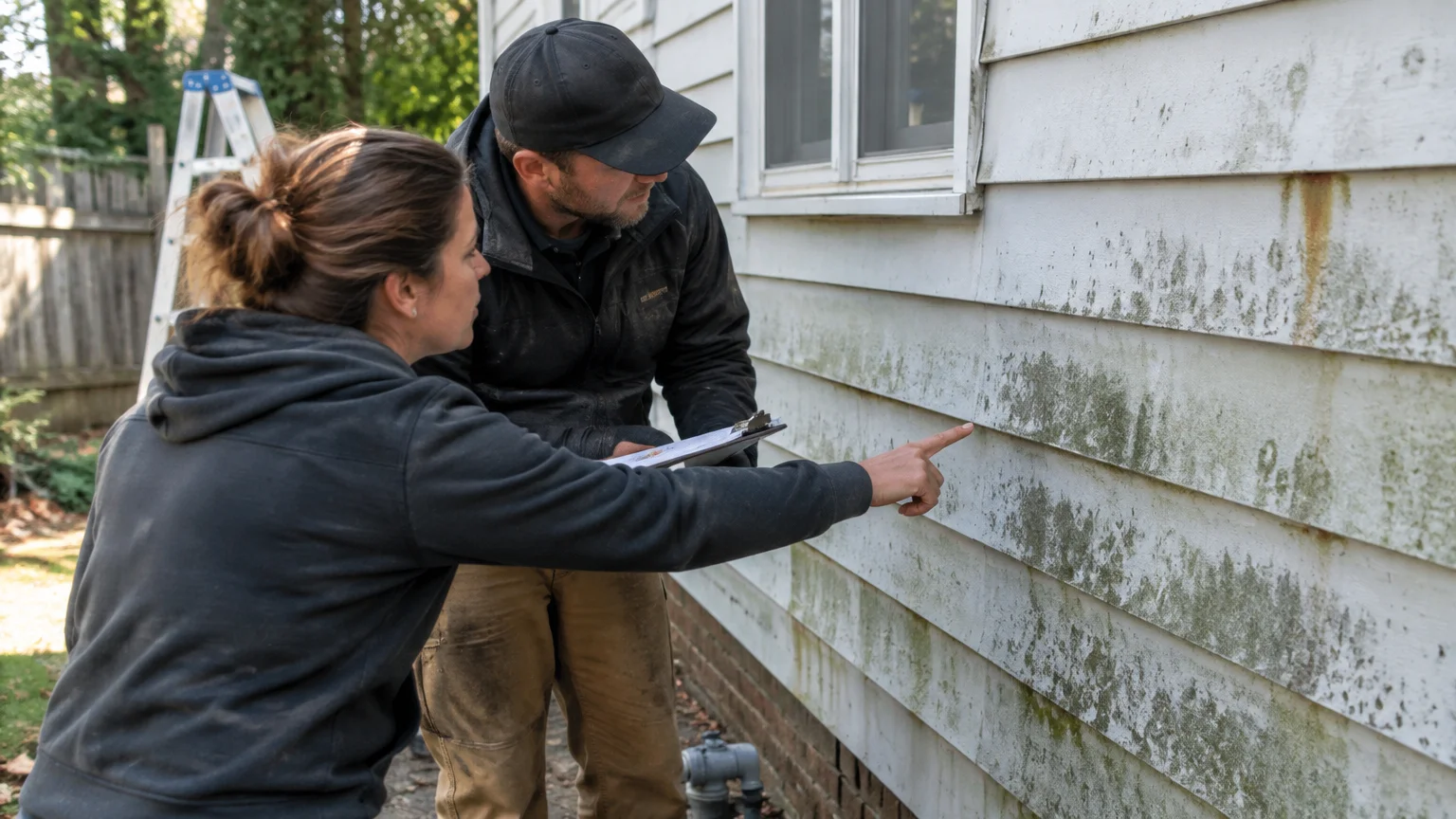
- Why is exterior preparation important before house washing?
- What should you inspect around the exterior before washing?
- How should you protect doors, windows, plants, and outdoor items?
- Should you close windows and check outdoor connections before washing?
- What cleaning concerns should you identify before house washing?
- What should homeowners avoid doing before professional house washing?
- What is the final exterior prep checklist before house washing?
Why is exterior preparation important before house washing?
Exterior preparation lowers risk and helps the service run smoothly. A clear work area gives the crew better access to siding, brick, stucco, trim, and other surfaces. It also helps them spot weak areas before water and cleaning products reach the walls.
How preparation protects your home and improves cleaning results
Preparation does not replace the skill of a trained cleaner. It gives the team useful facts about your home. You may know about a loose shutter, a leaking window, or weak paint that cannot be seen from the ground.
The right cleaning method depends on the surface and the buildup. Soft washing uses low water pressure and a cleaning solution. This method often works well for delicate siding and painted areas. Brick, stucco, vinyl, and wood may each need different care.
A clear work zone also helps prevent trips and delays. Toys, planters, hoses, and chairs can block the walls. Move these items before the visit so the crew can focus on cleaning instead of clearing small obstacles.
What can go wrong when preparation is skipped
Open windows can let water inside. Loose decorations may fall. Weak paint can peel when water reaches it. Plants may also need extra care when they grow close to the home.
You do not need special tools for most preparation. You can clear items, close openings, and report concerns yourself. Complex surface tests and stain treatments should be left to a trained cleaner.
Pressure Washing Largo helps property owners plan house washing around the condition of the home. In Largo, a short review before cleaning can make the visit safer and more efficient.
What should you inspect around the exterior before washing?
Walk around the property and look for damage before washing begins. Check siding, brick, stucco, trim, gutters, windows, doors, and painted surfaces. Mark weak or broken areas and tell the cleaning team about them.
Checking siding, brick, stucco, trim, and painted surfaces
Look for cracked siding, lifted panels, missing mortar, chipped stucco, and peeling paint. Check the trim around windows and doors for gaps or soft wood. A small defect may not cause trouble during normal weather, but water can reveal it during cleaning.
Vinyl siding can collect dirt, algae, and mildew along shaded walls. Brick may hold dark soil in its joints. Stucco can have small cracks or worn areas that need lower pressure. Painted surfaces may need gentle cleaning to avoid lifting old paint.
Check gutters and downspouts too. Loose sections can move when water reaches them. A blocked downspout may send dirty water across a walkway or planting bed.
Identifying damage, loose materials, and areas needing special care
Inspect the whole wall, not just the front entry. Walk around corners and look below windows. Check fences, decks, porch ceilings, and outdoor structures if they are part of the planned work.
You can take notes or pictures for reference. The team can compare the condition before and after cleaning. This review can help show which stains were removed and which marks are deeper surface damage.
Do not scrape, patch, or paint damaged areas just before washing. Fresh repairs may need time to set. Ask the cleaning professional whether washing should happen before or after repair work.
How should you protect doors, windows, plants, and outdoor items?
Move loose items away from exterior walls and protect plants near the work area. Windows and doors should close fully. Put furniture, toys, decorations, grills, and tools in a dry, safe place.
Moving or covering furniture, decorations, and equipment
Clear a path around the home so the crew can reach each side. Move patio furniture, small play equipment, planters, rugs, and garden tools. Cover large items that cannot move, but ask the cleaning team which covers are safe.
Outdoor lights, cameras, speakers, and decorations need a close look. Remove or secure loose items. Delicate objects should not stay near the spray area unless the team confirms they are protected.
Pool equipment, air-conditioning units, grills, and outdoor kitchens may need special care. Keep these items accessible. Do not block them with stacked furniture or storage bins.
Protecting landscaping and preventing water from entering the home
Water plants before service only if the professional advises it. Keep branches away from the walls when possible. Point out delicate flowers, new plants, and places where runoff may collect.
A cleaning team can use suitable methods to protect nearby landscaping. Do not wrap plants tightly for a long time or place covers against hot equipment. The goal is to shield sensitive areas while allowing air to move.
Doors and windows must seal well. Check basement windows, garage doors, pet doors, and screens. If a window leaks during rain, tell the team before washing begins.
Pressure Washing Largo can help Largo homeowners decide what should move and which areas need care. Good preparation protects the property and the people using it.
Should you close windows and check outdoor connections before washing?
Yes. Close and latch every window and exterior door before house washing starts. Also check vents, hose connections, outdoor outlets, and visible utility openings for loose covers or damage.
Securing windows, doors, vents, and utility openings
Close all windows, including basement and attic windows. Locking them can help keep the seal tight. Check sliding doors and screen doors because they may look closed while leaving a small gap.
Do not block required vents. Instead, point out vents that need careful treatment. Dryer vents, bathroom vents, and foundation vents should have secure covers. Report damaged covers before cleaning.
Look at hose bibs and pipe openings for leaks. A loose connection may let water into a wall or crawl space. Share any known leak, damp spot, or past water issue with the cleaning team.
Managing electrical fixtures, hose connections, and exterior outlets
Outdoor outlets should have secure covers. Identify loose light fixtures, cameras, and doorbells. Never remove electrical parts or place tape over a damaged fixture as a quick fix.
The team may protect sensitive fixtures as part of its work plan. Your notes are still useful. A short list of concerns can prevent missed details during a busy visit.
If you are unsure about an electrical problem, contact a qualified electrician. Pressure washing is not a way to test or repair wiring. Simple preparation is safe for most people, but repairs should be left to the right professional.
What cleaning concerns should you identify before house washing?
Point out mold, mildew, algae, dirt, rust marks, bird waste, and other buildup before cleaning. The type of growth and the surface below it can affect the cleaning plan. Stains that remain after washing may have a deeper cause.
Recognizing mold, mildew, algae, dirt, and other buildup
Mildew often looks gray, black, or green in damp shade. Algae may form green streaks on siding and other outdoor surfaces. Dirt and pollen can cover large areas, while rust and irrigation stains may need separate treatment.
Do not assume every dark mark is mold. Some marks may be failed paint, tannin stains, oxidation, or surface damage. A professional can inspect the area and explain what cleaning can remove.
Mention places that stay wet, such as shaded walls, areas below leaking gutters, and spots near sprinklers. Fixing the water source may help the surface stay cleaner after washing.
Preparing for delicate surfaces and areas with stubborn staining
Siding, painted wood, stucco, and old mortar can be sensitive. A professional may test a small area before cleaning the full wall. This shows how the surface reacts to water and cleaning solution.
Do not mix bleach, acids, detergents, or other cleaners before the appointment. Some mixtures can harm plants, metals, finishes, or people. Let the cleaning team choose products that fit the surface and buildup.
Exterior house pressure washing can help with many common marks, but it cannot repair damaged material. A clean wall may make cracks, faded paint, or worn caulk easier to see. This can help guide later maintenance.
What should homeowners avoid doing before professional house washing?
Avoid guessing at pressure settings, mixing chemicals, or hiding damage before service. Preparation should make the property safer, not create new risks. Most people can clear items and report concerns without using a pressure washer themselves.
Common preparation mistakes that can cause damage or delays
One common mistake is using a high-pressure nozzle on siding before the cleaner arrives. Water can get behind panels, strip paint, or damage soft material. Another mistake is using a strong product that reacts badly with the finish.
Many people search for the right pressure washer setting, but no single setting works for every home. The safe method depends on the surface, nozzle, distance, water flow, and cleaning solution. A lower-pressure soft wash may suit siding better than a forceful spray.
Avoid painting, sealing, or staining just before washing. Fresh coatings may not be ready for water. If a deck needs cleaning before staining, tell the cleaner about the planned project so the surface can dry and prepare properly. This also applies when cleaning a deck before restaining.
When to leave surface testing and treatment decisions to professionals
Professional help is wise when a wall is fragile, tall, stained with an unknown substance, or close to delicate landscaping. It is also wise when the home has old paint, loose stucco, cracked mortar, or signs of water entry.
You do not need a professional to move chairs, close windows, or inspect visible damage. However, a professional should handle pressure tests, chemical choices, and work near unsafe heights. This protects the home and lowers the chance of injury.
What is the final exterior prep checklist before house washing?
The final checklist should confirm that the home is easy to reach, openings are closed, loose items are moved, and concerns are ready to discuss. A clear plan helps the crew work safely. It also helps you understand what the service can address.
Key takeaways for a safer, more efficient service visit
- Inspect every exterior wall for cracks, loose siding, worn paint, damaged trim, and open gaps.
- Close and latch windows and doors before the cleaning team arrives.
- Move furniture, toys, tools, decorations, and small equipment away from the work area.
- Point out plants, electrical fixtures, leaks, stains, and fragile surfaces that need care.
- Avoid mixing cleaners or testing high pressure unless a qualified professional directs the work.
Check whether the crew can reach each side of the home. Gates should open, pets should stay inside, and vehicles should move from the driveway when needed. These small steps can prevent delays.
How to coordinate the next step with a house washing professional
Share your inspection notes before work begins. Tell the team which surfaces are included, which areas have stains, and whether painting, deck cleaning, or repairs are planned afterward. The team can then choose a method that fits the home.
Pressure Washing Largo serves property owners who want careful exterior cleaning in and around the main Largo area. This includes Downtown Largo, Harbor Bluffs, Clearwater, Seminole, Belleair, Pinellas Park, and nearby communities. The same preparation can help homeowners, landlords, tenants, and business owners plan work around their property needs.
Frequently Asked Questions
What psi pressure washer do you need to clean siding?
There is no safe setting for every type of siding. Vinyl, wood, painted surfaces, and older materials can react differently to pressure and water flow. Many homes suit a soft wash method better than a forceful spray. A professional should test the surface and choose the safer approach.
How often should a house be power washed?
The right schedule depends on shade, moisture, dust, trees, weather, and the surface finish. A home near trees or damp ground may need attention sooner than a dry, open property. Watch for visible dirt, algae, mildew, and streaks instead of following one fixed schedule.
Can house washing remove mold and mildew?
House washing can remove much of the surface growth when the right solution and method are used. It may not remove deep stains, damaged paint, or growth caused by an ongoing moisture problem. Sources of dampness, such as poor drainage or leaking gutters, may also need attention.
Should a deck be cleaned before staining?
Yes, cleaning a deck before staining helps remove dirt, algae, and old surface debris. The wood must then dry fully before stain is applied. A professional can advise on the cleaning method, drying time, and condition of the boards, especially when cleaning a deck before restaining.
Can homeowners prepare for house washing themselves?
Yes. Most homeowners can move loose items, close openings, secure pets, inspect visible damage, and share concerns with the team. Leave pressure tests, chemical mixing, ladder work, and treatment choices to trained professionals when the task or surface presents a risk.
Conclusion
Good preparation makes house washing safer and more predictable. A careful inspection, clear work area, closed openings, and honest notes about damage give the cleaning team a better starting point. These steps also help you understand what professional cleaning can and cannot fix.
For a home Pressure Washing Largo can review the property and help plan the next step. Contact us to arrange professional house washing for your property.





