The what to expect pressure washing service guide is simple: prepare the property, review the work plan, and inspect the results. A professional checks each surface, selects a safe method, protects nearby areas, washes in stages, and explains what homeowners should do after the service. The same steps help homes and businesses in Largo.
Table of Contents
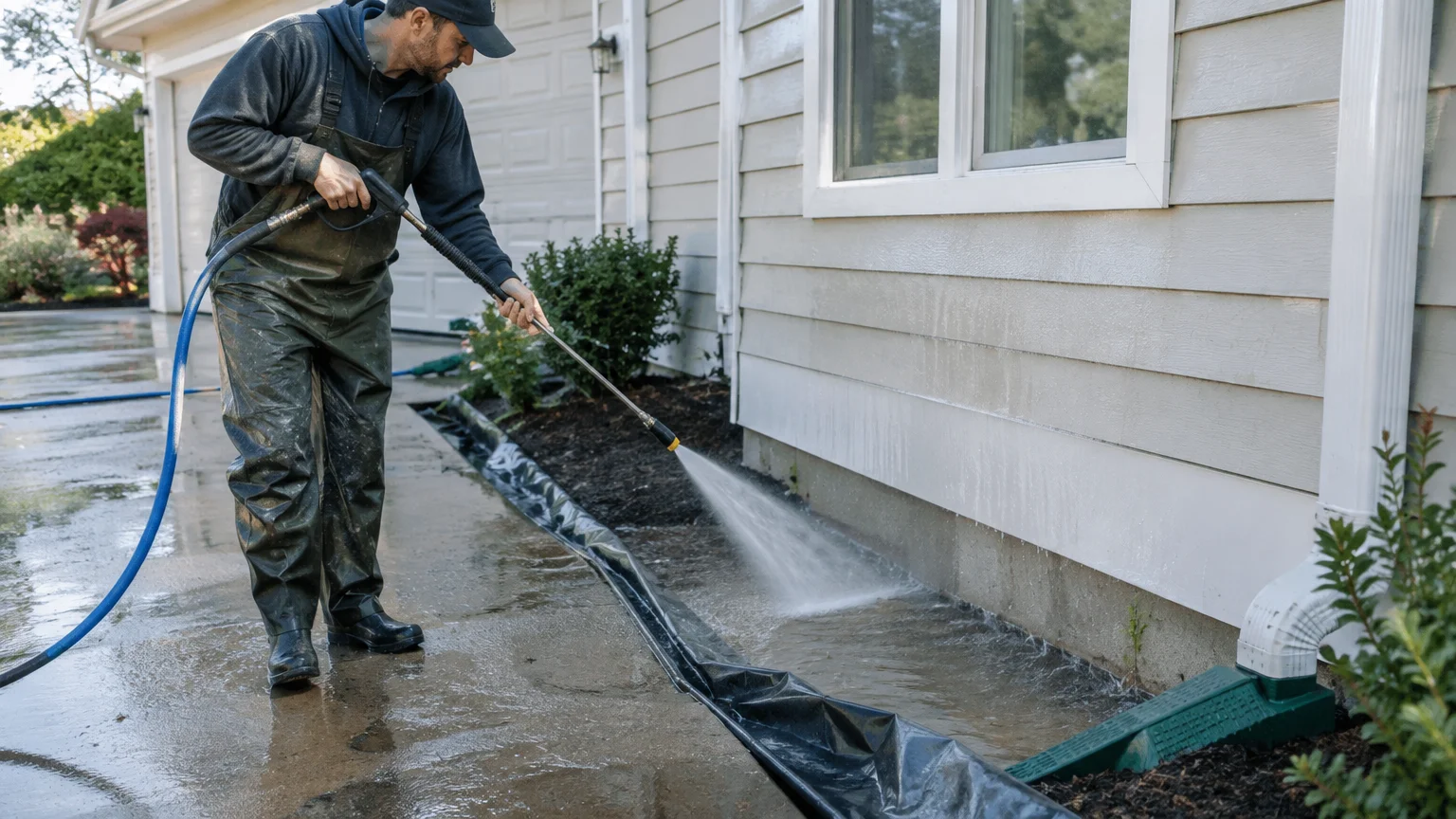
- What should you do before a pressure washing service arrives?
- What happens when the pressure washing professional arrives?
- How does a professional determine which house washing method to use?
- What happens during the house washing process?
- How long does a professional house washing appointment take?
- What should you inspect before the pressure washing crew leaves?
- What should you expect after a professional house washing appointment?
What should you do before a pressure washing service arrives?
A homeowner should clear outdoor items, close windows, and make access simple before the crew arrives. Move toys, planters, grills, furniture, and loose decorations. This protects them and gives the technicians space to work. Move cars away from the house, driveway, and nearby work areas.
How should outdoor areas be prepared?
Close all doors and windows. Tell the company about loose screens, damaged siding, leaking windows, cracked paint, or areas that need repair. This helps the technician avoid making existing damage worse.
Keep pets indoors during cleaning. Children should stay away from hoses, machines, wet surfaces, and treated areas. If a gate is locked, arrange access before the appointment. A clear path helps the visit run smoothly.
Unplug or move outdoor electrical items when possible. These items may include lights, speakers, decorations, and extension cords. Point out irrigation controls, pool equipment, and outdoor kitchens during the first walkthrough.
What access and utilities may be needed?
The crew may need an outdoor water connection and a suitable power source. The equipment and property decide the exact setup. A technician can explain what is needed before work starts.
Parking near the work area may help with hoses and equipment. Still, the crew should not block emergency access, shared driveways, or public paths. In Largo, narrow lots, townhome rules, and neighborhood access limits may also affect the setup.
Ask what you must move and what the company will handle. Pressure Washing Largo can explain the work area, access needs, and surface concerns before the service day. Clear planning helps everyone know what to expect.
What happens when the pressure washing professional arrives?
The first step is usually a short property review. The technician checks the surfaces, discusses the work, and confirms areas that need special care. Walk around the property with the crew when possible.
How does the initial walkthrough work?
The technician may look for mildew, algae, dirt, oxidation, stains, loose paint, damaged caulk, and weak surfaces. The walkthrough also helps locate windows, vents, outlets, lights, plants, and other items that need protection.
A trained pressure washing contractor should explain the plan in plain words. The plan may use low pressure, stronger pressure on hard areas, or a cleaning solution with a gentle rinse. Pressure alone is not always the safest choice.
Point out the surfaces that matter most to you. These may include the entry, siding, porch, patio, garage door, fence, or driveway. Photos can help record existing marks or damage before work begins.
What questions should be asked before work begins?
Ask who will do the work, which surfaces are included, and how delicate areas will be protected. You can also ask whether the company is insured and whether it has worked with your siding, roof, deck, or masonry.
Useful questions include:
- Which cleaning method is planned for each surface?
- How will windows, plants, outlets, and furniture be protected?
- What existing damage should the homeowner know about?
- Which areas are included in the appointment?
- What should stay closed or off-limits during cleaning?
Clear answers are a good sign. Vague promises, pressure to start without a review, or refusal to explain the process are warning signs. Homeowners in Largo can compare answers with companies serving Downtown Largo, Harbor Bluffs, Clearwater, Seminole, Belleair, Pinellas Park, and nearby areas.
How does a professional determine which house washing method to use?
A professional chooses the method by checking the surface, buildup, and existing damage. Soft washing uses a cleaning solution and low water pressure. Pressure washing uses more water force and suits some hard surfaces.
When is soft washing safer than high-pressure cleaning?
Soft washing is often better for siding, roof materials, painted surfaces, screens, and other areas that strong spray may harm. It loosens organic growth and grime before a controlled rinse. The material and its condition decide the right method.
High-pressure cleaning may work well on concrete, some pavers, and other hard surfaces. Even then, the technician should not force water into cracks, joints, vents, or openings. Too much pressure can remove paint, scar wood, damage mortar, or push water behind siding.
The difference between pressure washing and soft washing is more than the machine. It includes water pressure, cleaning solution, distance, nozzle choice, and surface safety. A professional should change the process instead of using one setting everywhere.
How do materials and damage affect the plan?
Vinyl siding, stucco, brick, wood, concrete, and painted metal react differently to water and cleaning products. A technician may test a small spot before cleaning the whole surface. This helps confirm that the method will not cause unwanted changes.
Existing damage can change the plan. Loose boards, failed caulk, chipped paint, cracked mortar, and soft wood may need repair first. A careful company should explain these limits instead of hiding them.
A homeowner does not need a professional for every outdoor cleaning task. Light dust on a small, sound surface may be handled with a garden hose and gentle brush. Professional help is better when the area is high, delicate, badly stained, near electrical parts, or hard to control safely.
What happens during the house washing process?
During house washing, technicians protect the property, use the selected method, rinse each area, and check their progress. Work often moves from upper surfaces to lower surfaces. This helps stop dirty water from running over areas that are already clean.
How are plants, fixtures, and nearby surfaces protected?
The crew may wet plants before cleaning and rinse them again afterward. They may cover or move sensitive items, protect outdoor outlets, secure screens, and keep water away from vents. Mention plants or fixtures that need extra care.
Keep windows and doors closed during the wash. The crew should use care around seals, trim, lights, cameras, doorbells, and painted features. Water should not enter openings or move behind loose siding.
Runoff should be handled with care. The technician may guide water away from doors, garages, landscaping, and nearby property. Local rules may affect dirty water near storm drains or shared walkways.
What is the usual cleaning sequence?
The sequence changes by property, but it often follows these steps:
- The crew sets up hoses, equipment, and safety controls.
- Technicians protect plants, fixtures, windows, and nearby items.
- A cleaning solution or controlled spray loosens dirt and organic growth.
- Each section is rinsed with pressure and distance suited to its material.
- The crew checks the surface and repeats safe cleaning when needed.
- Equipment is removed, and the work area is rinsed and checked.
The goal is not to use the strongest spray. The goal is to clean without harming the surface. This matters for siding, patios, decks, fences, roofs, and brick.
How long does a professional house washing appointment take?
A house washing appointment may take part of a day. The schedule depends on the property and work plan. Home size, surface condition, access, weather, and the number of areas all affect the timeline.
What affects the timeline of a residential job?
A small property with light dirt may take less time than a large home with heavy buildup and limited access. Multiple stories, long hose runs, delicate surfaces, and careful protection can add work time.
A house wash may be part of a larger visit that includes a driveway, patio, deck, fence, roof, or pool deck. Each surface may need a different method. Cleaning a wood deck, for example, needs more care than rinsing a sound concrete path.
The company should explain what is included and whether the crew expects to finish all areas during the appointment. A professional should not rush a surface just to meet an arbitrary schedule. Service estimates should account for the property, access, and work needed.
Why can weather change the schedule?
Rain, strong wind, extreme heat, and freezing weather can affect cleaning. Wind may carry spray onto windows, plants, vehicles, or nearby property. Rain can make the final look harder to judge while surfaces are wet.
Some cleaning solutions need time to work. Other surfaces need time to dry before they can be checked. If weather changes, the company should explain whether work can continue safely or must wait.
Keep the planned day flexible when possible. Pressure Washing Largo can help Largo property owners understand how access, weather, and surface condition may affect the visit without promising a fixed timeline before seeing the property.
What should you inspect before the pressure washing crew leaves?
Inspect the cleaned areas with the technician before the crew leaves. Review the work in good light when possible. Surfaces may look different while wet, so ask which areas need more time to dry.
What should be checked during the final review?
Compare the finished areas with the original plan. Look at siding, trim, doors, paths, patios, decks, fences, and other included surfaces. Deep stains, rust, old paint marks, and lasting discoloration may need separate treatment or remain partly visible.
The homeowner should also check for:
- Missed bands, corners, edges, or sections beneath windows
- Water around doors, outlets, vents, and outside fixtures
- Moved or damaged plants, decorations, screens, or furniture
- Mud, dirty runoff, leaves, or debris left nearby
- Areas that need to dry before the result can be judged
Ask about anything unclear before the crew packs up. A good company can explain what was cleaned, what could not be removed, and whether another safe pass is suitable.
What should post-service cleanup include?
The crew should remove hoses, covers, tools, and protective materials. Plants and nearby surfaces may need a final rinse. Gates should be closed, and outdoor items should return only when safe. Water should not pool near the foundation or entry doors.
You should receive simple care instructions. These may include keeping windows closed until the area dries, avoiding wet surfaces, and watching for loose paint or damaged caulk that became easier to see after cleaning.
What should you expect after a professional house washing appointment?
After a professional house washing appointment, some surfaces may stay damp for a while. The final result may become clearer as water drains and dries. Keep people and pets away from wet areas until the technician says they are safe.
When do results become clear?
Siding and hard surfaces often look cleaner as they dry. Shaded areas may stay wet longer than sunny areas. Organic staining may also fade after the cleaning solution has had time to work.
A professional should not promise that every mark will disappear. Rust, oil, failed paint, lasting weathering, and deep discoloration may need another service. Report a concern promptly and describe the exact area.
Regular care helps exterior surfaces stay cleaner. Clear leaves, keep gutters working, trim plants away from walls, rinse light dirt with a garden hose, and fix leaks quickly. These steps do not replace professional cleaning, but they can reduce buildup between visits.
How can homeowners maintain clean exterior surfaces?
Keep paths and patios free of leaves and standing water. Check decks for loose boards and worn coatings. Watch siding for cracked caulk, open seams, and places where water may enter.
Roof cleaning, patio cleaning, deck cleaning services, fence cleaning, and commercial exterior work may each need a separate plan. Do not use one pressure setting or cleaning product on every surface. Solar panels also need care that follows the panel maker’s guidance.
Key takeaways
- Prepare access, windows, vehicles, pets, and outdoor items before arrival.
- Expect a walkthrough and surface review before cleaning begins.
- The safest method depends on the material, buildup, and existing damage.
- Inspect the work with the technician before the crew leaves.
- Keep wet areas clear and follow the company’s care instructions.
Frequently Asked Questions
Should a homeowner be home during house washing?
A homeowner does not always need to stay home, but being available for the first walkthrough helps. The crew may need answers about access, fragile items, pets, existing damage, or priority areas. If nobody can attend, arrange clear entry instructions and share concerns before the appointment.
Can a homeowner pressure wash a deck without professional help?
A homeowner may clean a small, sound deck with care, but wood can scar easily. The operator must use the right pressure, nozzle, distance, and cleaning method. Professional help is safer for high decks, weak boards, painted surfaces, heavy growth, or areas near electrical equipment.
What is the difference between pressure washing and soft washing?
Pressure washing relies more on water force. Soft washing relies on cleaning solution and low pressure. A professional chooses between them based on the surface and buildup. Soft washing is often safer for siding, roofs, painted areas, and delicate materials.
How should a homeowner prepare windows and doors?
Close windows and doors, then check for damaged seals or loose screens. Remove items near entries and tell the crew about leaks or cracks. Technicians should avoid directing water into openings, vents, outlets, and areas not made for spray.
What if a stain remains after cleaning?
Some stains are lasting or need another treatment. Rust, oil, old paint, and weathered marks may not respond to ordinary house washing. Ask the technician what caused the mark, whether another method is safe, and whether repair or replacement is more suitable.
A clear service-day process helps property owners protect their buildings and judge the finished work. Pressure Washing Largo can explain the cleaning plan and preparation steps for homes and businesses. Contact us to discuss a professional house washing appointment.





