Power washing DIY can be safe for small, low-risk jobs when the surface is sound and the pressure is low. Homeowners may clean patios, walkways, and some outdoor items. Roofs, tall walls, fragile materials, strong cleaners, and hidden damage call for professional help. The right choice protects people, property, and plants.
Table of Contents
- Is power washing DIY safe for homeowners?
- What can you safely pressure wash yourself?
- How does the wrong pressure damage exterior surfaces?
- Should you use pressure washing or soft washing?
- What equipment and preparation does DIY pressure washing require?
- When should you hire a professional pressure washing company?
- How can you decide between DIY pressure washing and hiring a pro?
Is power washing DIY safe for homeowners?
Power washing DIY is safe only when the job, surface, and equipment match. A small patio or sound concrete path may be a fair home project. A roof, upper wall, weak siding, stained wood, or area near electrical parts is much riskier.
What makes pressure washing different from ordinary outdoor cleaning?
Pressure washing sends water through a narrow nozzle at high force. The spray can remove dirt, algae, loose paint, and other buildup. It can also cut skin, break seals, strip coatings, or push water behind siding.
Power washing and pressure washing often mean the same thing. Some machines heat the water, but hot water is not right for every surface. Water pressure is a tool, not a fix for every stain.
First, check the surface and the source of the dirt. Loose soil on concrete differs from oil, rust, mildew, or old paint. Each problem may need a different cleaner and spray setting.
Which safety risks should you consider before starting?
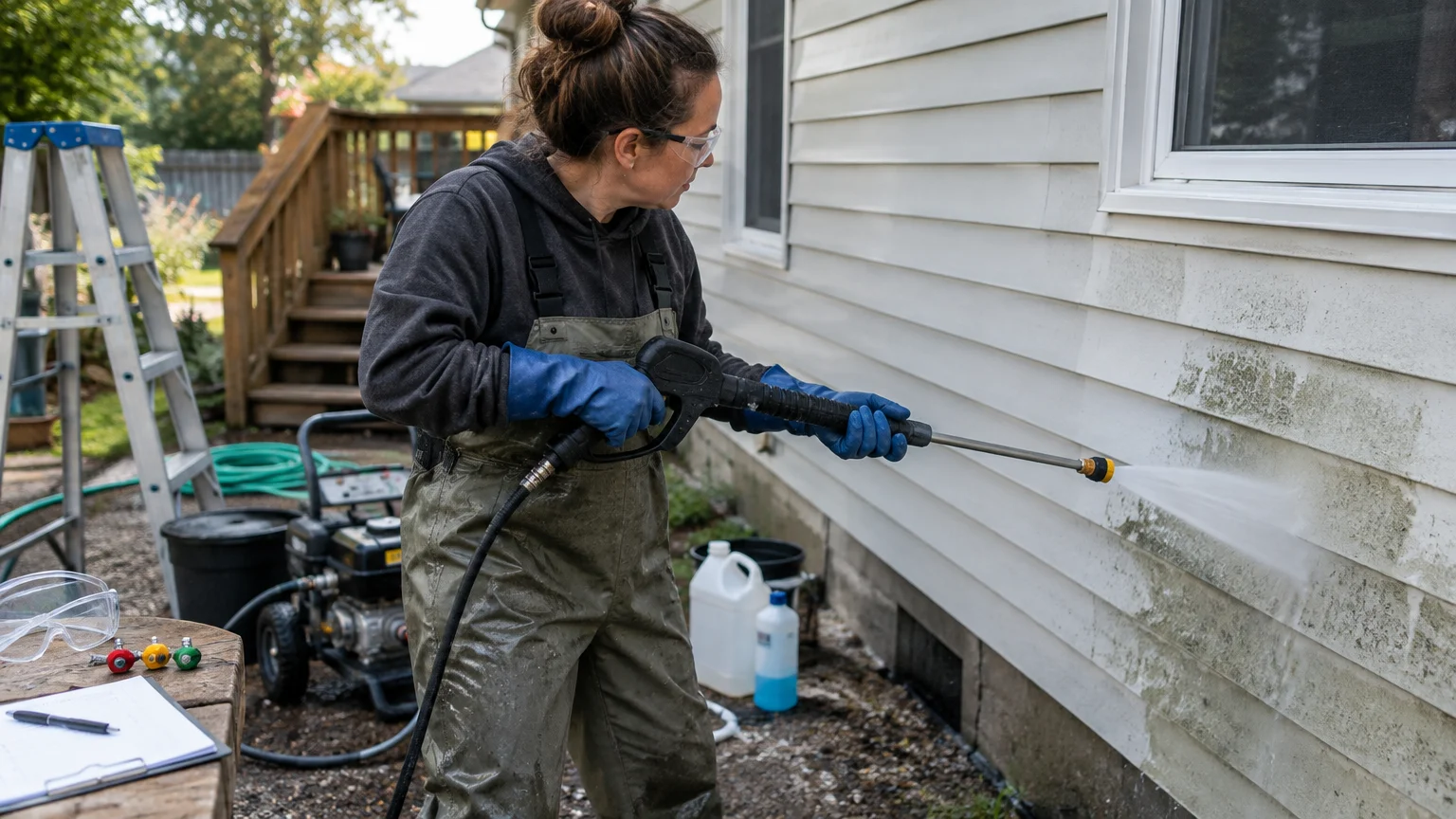
The spray can throw grit into the eyes and onto skin. Wet areas can also become very slippery. Eye protection, gloves, covered shoes, long clothing, and hearing protection lower common risks. Never point the wand at people, pets, windows, or cars.
Inspect the area before turning on the machine. Look for cracks, loose boards, open vents, weak caulk, and exposed wires. Outdoor outlets need proper protection. Never climb a ladder while holding a running wand because the spray can push you backward.
Pressure Washing Largo can help Largo property owners decide whether a job suits home equipment. This is useful when the work involves a roof, tall wall, shared property, or delicate finish.
What can you safely pressure wash yourself?
Homeowners can often clean sound concrete, sturdy brick, some vinyl siding, and outdoor furniture. Start with the lowest useful pressure. Keep the work at ground level when possible. Test a small hidden area before cleaning the whole surface.
Suitable surfaces and manageable cleaning projects
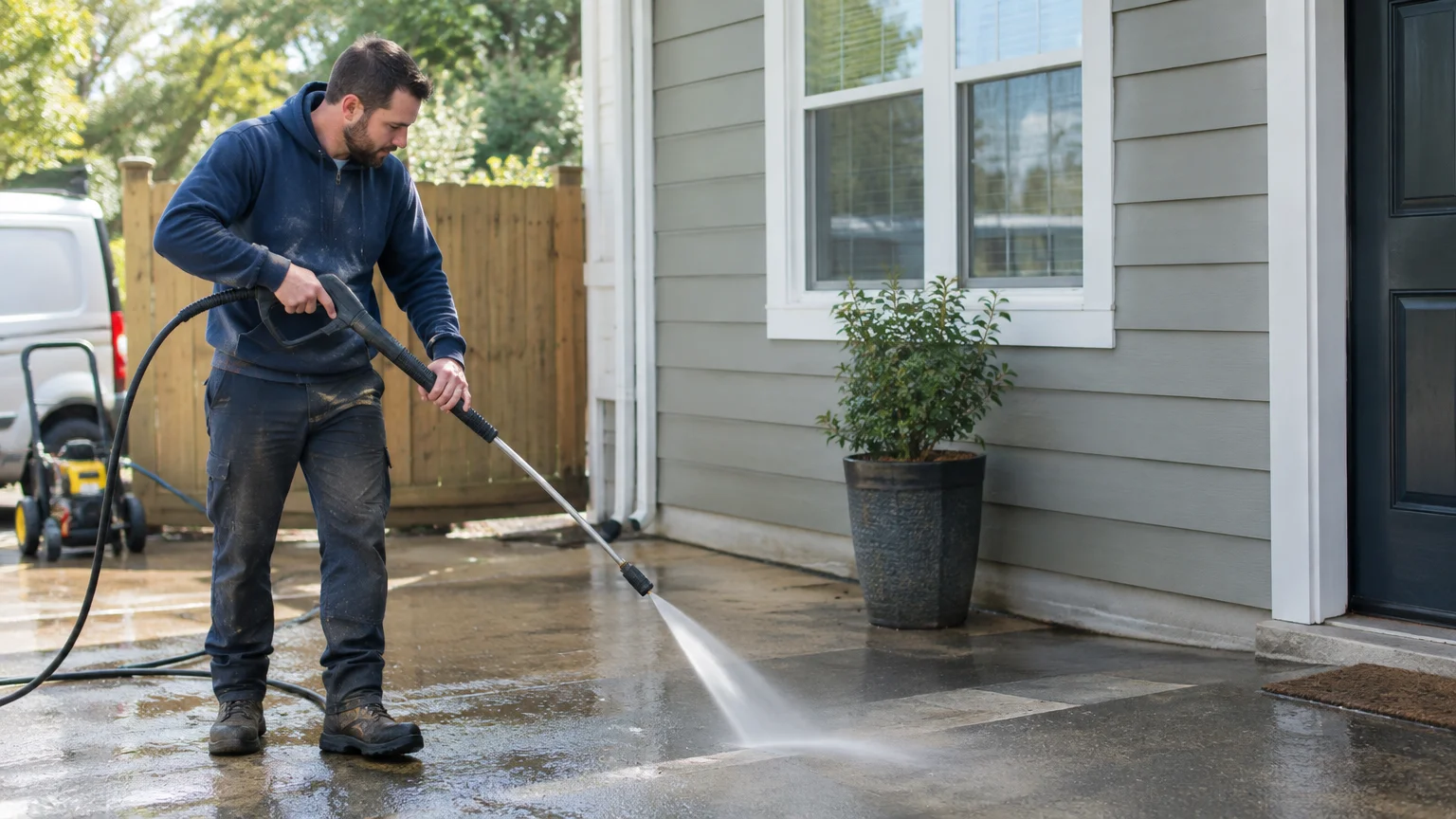
Flat concrete is usually one of the easier projects for a careful beginner. A driveway, walkway, or patio may respond well when the concrete is in good shape. Patio Cleaning Services can help when moss, deep stains, cracks, or a large area make control difficult.
A small section of vinyl siding may also be suitable. Aim the spray downward, not under the panels. Protect windows, vents, door seals, and lights. Repair loose panels before washing them.
A sturdy plastic bin, outdoor chair, or garden tool may be another simple project. Place the item on stable ground. Keep the spray away from labels, bearings, moving parts, and electrical connections.
Deck cleaning needs more care. Wood can scar, splinter, and take in too much water. Anyone learning how to power wash a deck should use a wide spray, keep the wand moving, and test an unseen spot. Old, peeling, or soft boards may need another plan.
When basic tools and preparation are usually enough
A homeowner usually needs a suitable machine, a hose, protective clothing, a wide nozzle, and a clear work area. The cleaner must match the surface. Stronger is not always better. A mild product with more time to work may be safer than a tight spray.
Good preparation often makes the job easier. Sweep loose dirt first. Move pots and furniture. Rinse plants before and after cleaning. Close doors and windows. Keep children and pets away until the surface is dry.
DIY makes sense when the owner can stand firmly, reach the area without a ladder, and see the whole surface. It makes less sense when the project needs strong chemicals, heavy equipment, fast work, or an even finish across a large area.
How does the wrong pressure damage exterior surfaces?
The wrong pressure can damage a surface even when it removes the stain. Pressure must match the material, its age, its condition, and the distance from the nozzle. A hard concrete stain does not justify using the same force on wood, siding, paint, or roofing.
Why pressure should match the surface, not just the stain
A stain sits on or inside a material. That material still needs protection. A narrow spray can cut soft wood, mark concrete, or lift paint. A wide spray spreads the force and gives the user better control.
Distance changes spray force. Moving the wand closer makes the impact stronger. Moving too slowly can leave lines and marks. Test a small area first to find a safe distance and speed.
Cleaning products can help loosen organic growth and grime. Use a product made for the surface. Never mix cleaners unless the label says it is safe. Keep runoff away from people, pets, storm drains, and sensitive plants.
Common damage to siding, wood, concrete, and roofing
Vinyl siding can crack, bend, or trap water when sprayed from below. Painted surfaces can lose their finish. Wood can develop raised grain, deep lines, and fuzzy fibers. These marks may show more after the wood dries or receives a new coating.
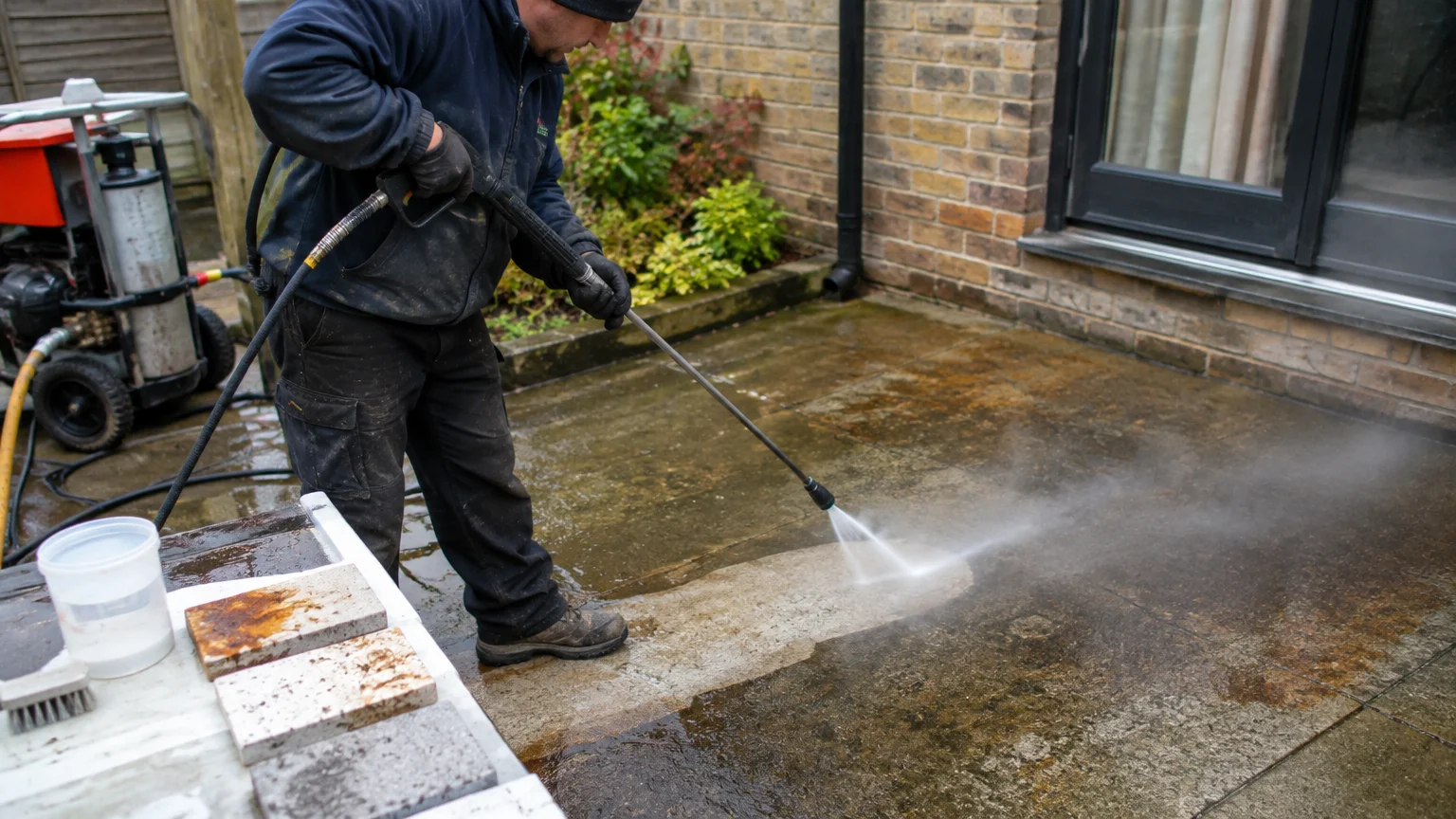
Concrete is strong, but it is not damage-proof. A narrow nozzle can etch the surface and leave uneven cleaning bands. Older concrete may have weak edges or small cracks that grow under force. Driveway Cleaning Services can help when stains cover a large or damaged area.
Roofing is a clear limit for many DIY projects. Strong spray can remove protective granules, loosen shingles, or push water into roof layers. Walking on a roof also creates a fall risk. Roof cleaning should use a method made for the roof material, not a driveway setting.
Windows, seals, vents, and lights can fail when water enters behind them. The damage may not show right away. If you cannot protect these areas with confidence, professional help is safer.
Should you use pressure washing or soft washing?
Pressure washing uses stronger water force to clean a surface. Soft washing uses a gentler spray and a cleaning solution to treat organic growth and grime. The right choice depends on the material, stain, surface condition, and runoff plan.
How pressure washing and soft washing differ
Pressure washing relies more on force. It may suit sound concrete, some masonry, and other hard surfaces. Soft washing relies more on a surface-safe solution and enough time for it to work. It may suit areas where strong spray could cause harm.
Soft washing does not mean careless chemical use. Protect plants, painted finishes, pets, and nearby water. Apply and rinse the solution with care. Follow the product label and never mix cleaners without clear directions.
The difference is not simply strong versus weak. It is about how the dirt will be released. The safest method removes the buildup while causing the least wear to the surface.
Which method fits common residential and commercial surfaces?
Sound driveways, sidewalks, and some patios often suit controlled pressure washing. Masonry walls may need low pressure and a suitable cleaner. Wood decks need low force, steady movement, and care around the grain. Vinyl siding often needs a gentle setting and a downward spray.
Roofs, solar panels, painted surfaces, and older materials need special care. Anyone searching for solar panel cleaning near me should choose a provider that follows the panel maker’s care guidance. Abrasive tools and forceful spray can harm coatings and seals.
Commercial buildings add more concerns. Storefront glass, signs, awnings, sidewalks, and parking areas may need different methods during one visit. Commercial Pressure Washing can help owners plan work around customers, tenants, entrances, and runoff.
In Largo, shade, trees, weather, and property layout can affect how quickly grime returns. Pressure Washing Largo can explain which method fits the material instead of treating every stain the same way.
What equipment and preparation does DIY pressure washing require?
DIY pressure washing needs more than a rented machine. The homeowner must choose a safe pressure, nozzle, cleaner, hose, protective gear, and work plan. Equipment should serve the surface. The surface should not be forced to fit the equipment.
Choosing the right machine, nozzle, and cleaning solution
Choose a machine with controls that allow gentle work. A wide fan nozzle is easier for beginners than a narrow tip. Keep the nozzle at the distance recommended for the surface. Keep it moving during use.
People looking for pressure washing machine rental or pressure washing rental should inspect the equipment before taking it home. Check that the hose, wand, fittings, and safety instructions are included. A powerful rental is not always the better choice.
Ryobi pressure washing machines and other home units may suit small upkeep jobs when used as directed. The brand matters less than the controls, user skill, and surface. Never remove safety parts or use an unapproved tip.
Choose cleaners for both the material and the buildup. Read the label before use. A product for concrete may harm plants, wood, paint, or metal. Never mix cleaning products unless the label clearly permits it.
How to protect plants, fixtures, openings, and nearby property
Clear the work area before starting. Shut windows and doors. Cover or avoid outlets, lights, cameras, vents, and speakers as their makers direct. Rinse plants before and after they contact cleaning water.
Check where dirty water will flow. Mud, oil, paint chips, and cleaning solution should not move toward a storm drain or neighboring property. A small rinse can show the runoff path before full cleaning begins.
A helper can watch the hose and nearby people. Stop the machine before changing tips or fittings. Let the surface dry fully before adding paint, stain, sealant, or furniture.
When should you hire a professional pressure washing company?
A professional pressure washing company is a smart choice when work involves height, fragile materials, stubborn buildup, large areas, or uncertain damage. It also helps when the owner lacks safe equipment or cannot control runoff.
Signs that a project is beyond rented equipment
The job is likely beyond a rental when the surface is high, steep, cracked, loose, delicate, or near electrical parts. Pause when the stain may be lead paint, heavy oil, mold, rust, or another substance needing special care.
Other warning signs include:
- The job requires a ladder, roof access, or work near an edge.
- The surface has peeling paint, loose boards, open joints, or hidden damage.
- The area is too large for the owner to clean evenly and safely.
- Dirty water could enter a drain, pond, roadway, or neighbor’s property.
- The owner cannot choose a safe pressure, nozzle, or cleaning product.
Professional help also makes sense when the final finish matters. Uneven spray marks can stand out on a storefront, deck, or visible driveway. Commercial sites often need careful timing so cleaning does not disrupt customers or tenants.
Why height, delicate materials, and stubborn contaminants change the decision
Height changes the risk more than many owners expect. The operator must control the wand, hose, footing, water flow, and spray direction at once. A long wand does not remove the need for safe access.
Delicate materials may need low pressure, special tools, or a soft washing plan. Roofs, solar panels, old wood, painted trim, and historic masonry should not be treated like new concrete. A pressure washing service should involve more than turning up the machine. The method must fit the property.
Stubborn contaminants may also need more than force. Oil, rust, algae, and old coatings can respond poorly to stronger spray. Concrete Cleaning Services may suit a stained walkway or parking area when surface care and even results matter.
Pressure Washing Largo helps property owners decide where DIY stops making sense. The choice should weigh safety and surface care, not only how fast a machine removes dirt.
How can you decide between DIY pressure washing and hiring a pro?
The best choice depends on risk, surface type, access, time, equipment, and the result you need. DIY may fit a small, open, sturdy surface. Professional work makes more sense when one mistake could cause injury, water damage, or an uneven finish.
A practical checklist for comparing risk, time, equipment, and results
Before starting, ask:
- Is the surface sound, low, and easy to reach from stable ground?
- Can I identify the material and choose a safe cleaning method?
- Is there a safe place for dirty water to go?
- Are plants, windows, fixtures, paint, and nearby property protected?
- Would damage take more time and trouble than skilled help?
- Does the finished work need an even, professional appearance?
If the answers are clear and the project is small, careful DIY may be reasonable. Begin with a test spot and the lowest useful force. Stop if the surface shows marks, fuzzing, cracks, or water entry.
If the answers are unclear, professional guidance can reduce risk. A local team can review the surface, choose pressure or soft washing, and plan around access and runoff. This is especially helpful for roofs, large patios, decks, commercial properties, and connected building surfaces.
Key takeaways for planning your next exterior cleaning project
- Power washing DIY fits small, stable, ground-level projects.
- Pressure must match the surface, not only the stain.
- Soft washing can protect materials that strong spray may harm.
- Roof work, height, fragile finishes, and runoff need extra care.
- A professional helps when safety, access, or finish quality is uncertain.
Frequently Asked Questions
Can a homeowner pressure wash a house?
A homeowner may clean some sound siding with a gentle setting and downward spray. Windows, vents, trim, seals, and painted areas need care. A house with damaged siding, many stories, old paint, or hard-to-reach areas is better suited to professional cleaning.
What is the difference between pressure washing and soft washing?
Pressure washing uses more water force to remove buildup from suitable hard surfaces. Soft washing uses a gentler spray and a surface-safe cleaning solution. Soft washing often fits roofs, delicate finishes, and organic growth where strong spray could cause damage.
How can someone clean a deck with a power washer?
Sweep the deck, test a hidden spot, use a wide spray, and keep the wand moving with the wood grain. Do not hold the spray in one place. Soft or damaged boards may need hand cleaning or professional care.
Is a pressure washing rental good for every job?
No. A rental may work for a small, open area made from sturdy material. It may be a poor choice for roofs, damaged siding, old wood, solar panels, or work near electrical parts. Machine power does not replace surface knowledge or safe access.
How much does it cost to power wash a patio?
The final amount depends on patio size, surface condition, access, buildup, runoff needs, and the cleaning method. A small, open patio is simpler than a large area with stains, cracks, furniture, or nearby landscaping. The final cost is confirmed on a quote.
Conclusion
DIY cleaning can handle some simple outdoor work, but pressure is not harmless. The safest plan matches the method to the material and stops before height, fragile surfaces, chemicals, or uncertain damage create greater risk. Pressure Washing Largo can help property owners choose a practical next step. Contact us to discuss your exterior cleaning project.
If you are not sure what you are dealing with, it is worth having someone look at it before it turns into a bigger job. Get in touch with Pressure Washing Largo today and we will tell you where you stand.