Stain treatment vs pressure washing depends on what caused the mark and how it sits on the surface. Pressure washing can remove loose dirt, but rust, minerals, and chemical stains may need a cleaner made for that stain. The right method can lift discoloration while helping protect the material below.
A stain can make a home or business in Largo look uncared for, even when the rest of the surface is clean. A stronger spray is not always the answer. Finding out what caused the mark helps property owners choose a safer way to clean it and avoid making the spot worse.
Table of Contents
- When does a stain need treatment instead of pressure washing?
- How can you identify rust, mineral, and chemical stains?
- Why do rust and mineral stains resist water pressure?
- Which surfaces can be damaged by pressure washing?
- What treatments remove rust and iron stains?
- How do you remove efflorescence and mineral deposits safely?
- How should chemical spills be handled on outdoor surfaces?
- What is the safest process for treating a stubborn stain?
- When should you hire a professional for stain treatment?
- How can you prevent rust and mineral stains from returning?
When does a stain need treatment instead of pressure washing?
A stain may need treatment when its color stays after loose dirt has been rinsed away. Pressure washing cleans the surface by using water force to remove material on top. Stain treatment uses a cleaner chosen for the mark itself. Some jobs need both, but pressure alone may not be enough.
How stain removal differs from surface cleaning
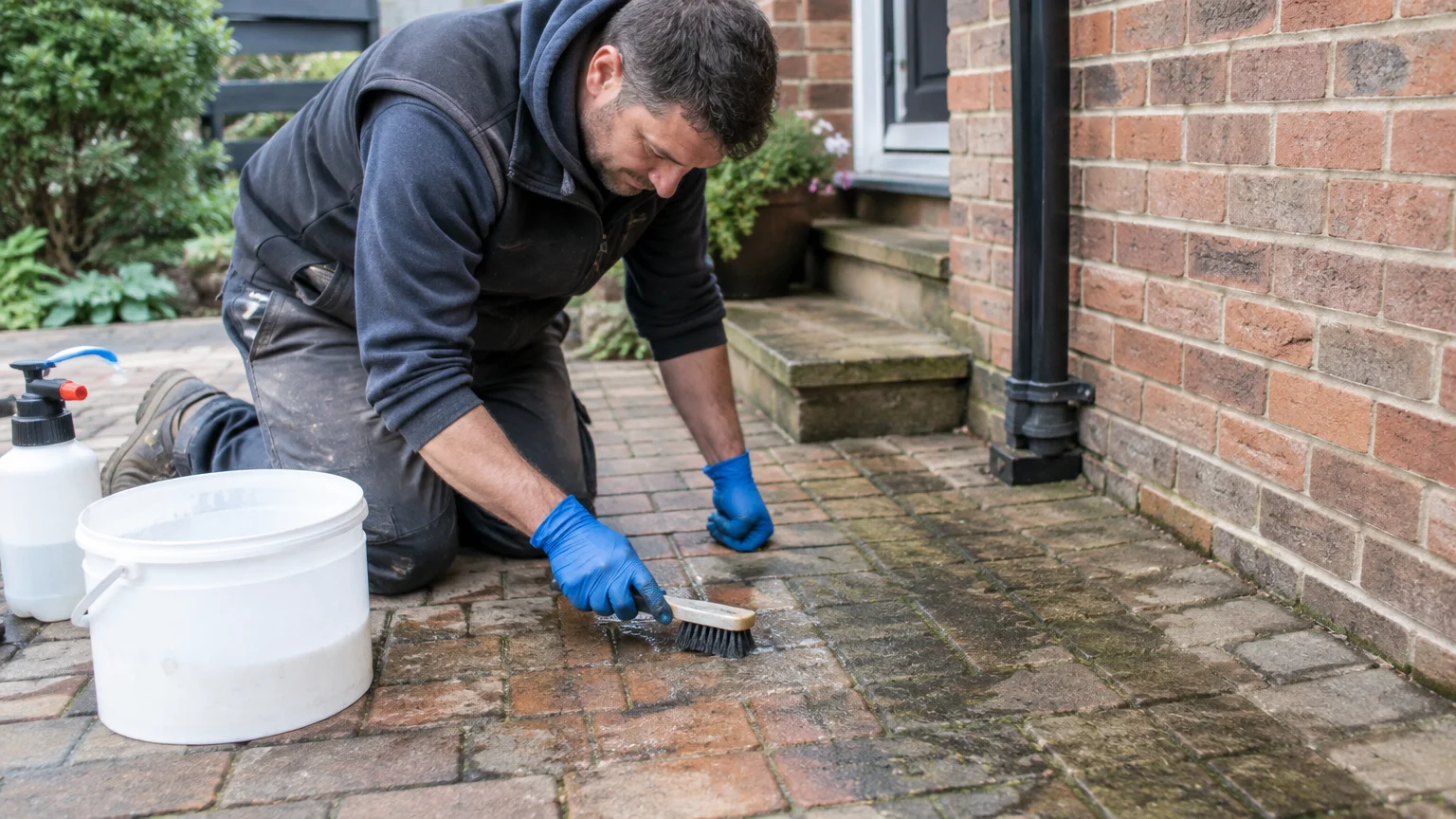
A rinse can clear dust, mud, and loose growth from a hard surface. But a colored mark may have soaked into tiny spaces or left residue behind. Rust beneath a metal chair, for example, may remain after a patio is clean. A cleaner made for that stain may help loosen it before a careful rinse.
Oil on a driveway may also need more than a spray. Oil can soak into concrete, so water may clean the surface without lifting the dark spot. A suitable cleaner and a patient process may work better. Driveway Cleaning Services and Concrete Cleaning Services handle general surface cleaning, while stain care depends on the mark and material.
Why more pressure can make some stains worse
Turning up the pressure can scar soft materials, strip paint, or push residue deeper. A narrow spray can leave lines that stand out once the surface dries. A stronger spray is not a safe replacement for finding out what caused the stain. Homeowners can rinse loose dirt with care, but stubborn marks need a test and a suitable method.
How can you identify rust, mineral, and chemical stains?
Color, shape, and location can offer clues, but they do not prove what caused a stain. Rust often leaves orange or red marks near metal. Mineral deposits may leave pale crusts or streaks where water dries. Chemical stains can look many ways, so treat an unknown spill with care.
Common signs of rust and iron staining
Rust marks often show up below metal rails, furniture legs, fasteners, or sprinkler parts. They may form narrow trails where rain carries rusty water down a wall. Iron staining is color left by iron in water or on a surface. The mark may look orange, red-brown, or yellow, based on the material and how long it has been there.
Look for a likely source before cleaning. A stain that returns below a metal fitting may point to ongoing rust. A spot near a sprinkler may come from iron-rich water. Removing the mark without fixing its source can leave the same problem ready to return.
How efflorescence and mineral deposits appear
Efflorescence is a white, powdery deposit left when water carries salts through masonry and then dries. It can show up on brick, concrete, stone, or mortar. Mineral deposits may also look like a hard white crust near sprinklers, hose fittings, or places where water often runs.
Chemical stains are harder to identify by sight alone. A spill might mark paint, concrete, or pavers in a way that looks like rust or minerals. When the source is unknown, do not mix cleaners or begin with a strong spray. A careful test or a professional check can help find the cause.
Why do rust and mineral stains resist water pressure?
Rust and mineral stains may resist pressure because the material causing the color can cling to tiny surface pores. Water can wash off loose soil without changing that discoloration. A cleaner made for the stain may be needed. The right choice depends on both the mark and the surface.
How staining compounds bond with porous surfaces
Concrete, brick, and some stone have tiny spaces that can hold water and residue. Porous means a material has small spaces that can soak up or trap liquid. When rusty or mineral-rich water reaches those spaces, a mark may remain after the top layer is rinsed clean.
That is why a stained patch may stay dark while the area around it looks brighter. The stain is not just sitting on top like dust. Hard scrubbing or a sharp spray may wear down the surface before the stain lifts. A suitable cleaner works on the stain more directly, but it must still match the material.
Why repeated rinsing may not remove discoloration
Repeated rinsing can use a lot of water without changing the stain. It may also carry dirty runoff over nearby areas. On brick or pavers, forceful water can loosen joints or harm a weak surface. On painted areas, it can remove the finish along with the mark.
A homeowner can gently rinse a small amount of loose dirt. If the color remains, stop and look for the cause. The same rule applies to oil on a driveway: water may clear grit, but oil stain removal may need a suitable cleaner and careful cleanup.
Which surfaces can be damaged by pressure washing?
Any surface can be harmed when pressure, spray distance, or cleaner strength is wrong. Concrete may show cuts or uneven marks. Brick and pavers may lose weak surface material or sand between joints. Painted, coated, or delicate surfaces need a gentler plan than hard, uncoated concrete.
Risks for concrete, masonry, and pavers
Concrete looks tough, but a forceful, narrow spray can still scar it. Older or worn concrete may be more fragile. Testing a hidden spot can show whether the surface changes color or texture before you clean a larger area.
Brick and stone can be even less forgiving. Strong pressure may chip a soft face, push water into gaps, or wash mortar from joints. Pavers can shift if the sand between them is disturbed. Brick Cleaning Services may be a better choice when masonry needs more care than a simple rinse.
Special care for painted, coated, and delicate materials
Paint, sealant, and other coatings can peel or lose their shine under strong pressure. Composite decking can also be marked if the spray is too close or forceful. Some types can be pressure washed, but the maker’s care instructions should guide the method. A soft brush and mild cleaner may be safer for regular dirt.
Vinyl siding should not be cleaned with a direct, high-pressure blast. Water can get behind the panels or harm nearby trim. Soft Washing Services use lower pressure and suitable cleaners for delicate outside materials. The best method depends on the siding, stain, and condition.
What treatments remove rust and iron stains?
Rust and iron stains may respond to a cleaner made for iron, but no product works for every surface. The label should say which materials are safe and explain how to apply and rinse the cleaner. Test a hidden area first, and stop if the finish changes.
How targeted rust removers work
A rust remover is a cleaner made to loosen or change iron-based stains. It differs from plain water because it acts on the stain instead of relying only on spray force. Some products are made for masonry, while others suit different materials. Never assume a cleaner is safe just because it removes rust.
Read the full label before use. Follow its directions for safety gear, use, wait time, and rinsing. Keep the product away from plants, people, pets, and any materials named on the label. Do not mix it with another cleaner, as mixed products can cause harmful fumes or reactions.
When treatment needs to be adjusted for the surface
A rust cleaner that works on one surface may harm another. A painted rail, concrete step, and brick wall each have different finishes and levels of absorbency. The stain’s age and the surface’s condition matter too. A small test can show whether a method causes fading, roughness, or a new mark.
For oil on a driveway, a cleaner labeled for oil or grease may be a better fit than a rust product. Work from the stain’s outside edge inward when the label allows it. This may help limit spread. For a large or deep stain, careful treatment may be safer than repeated rounds of pressure.
How do you remove efflorescence and mineral deposits safely?
First find out whether the white mark is a dry deposit or a sign of ongoing water flow. Efflorescence is salt left behind when moisture moves through masonry and dries. A returning mark may keep coming back until the water source is fixed, so cleaning alone may not solve it.
Distinguishing surface deposits from recurring moisture problems
A light, dry deposit may brush off some masonry with a soft, dry brush. Do not soak the wall before checking the cause. If the white material keeps returning, look for water running from a roof edge, leaking fitting, or nearby sprinkler. Ongoing dampness may need attention before stain treatment.
Mineral deposits near a hose or sprinkler may form a hard ring or crust. Moving the water source may help stop new marks. If the deposit is on brick, stone, or a coated surface, choose a cleaner that says it is safe for that material. A product made for one surface may dull or harm another.
Why controlled application and thorough rinsing matter
Use only the amount and method stated on the cleaner label. Keep the product on the stain instead of letting it run over plants or nearby finishes. Rinse as directed, and make sure dirty water does not dry on another surface. If the product calls for special care, follow those steps.
Do not scrape with a metal tool or harsh pad on a delicate surface. These tools can leave scratches that are harder to hide than the original deposit. Stop if a test changes the surface. A trained cleaner can help check the material and choose a gentler method.
How should chemical spills be handled on outdoor surfaces?
Keep people and pets away from an unknown chemical spill, and do not rinse it before you know what it is. Water can spread some chemicals or carry them into soil and drains. The safe response depends on the substance, the amount, and the surface.
When to keep people away and avoid rinsing
Do not touch an unknown spill, smell it closely, or mix cleaners nearby. Keep children and pets at a safe distance. If there are fumes, heat, a strong reaction, or a large spill, leave the area and seek help from local emergency or hazardous-material services. Do not treat a serious spill as a home cleaning job.
For a small, known household product spill, check its label for cleanup steps and warnings. Use the safety gear it calls for and keep the product away from drains unless the label says otherwise. Never combine bleach, acids, ammonia, or other cleaners. Mixing products can make dangerous fumes.
How spill type and surface affect cleanup
A cleaner safe for concrete may not be safe for painted wood, brick, or a coated patio. Some spills can stain or weaken a surface, while others may soak in. The substance, surface, and time since the spill all matter. If the product label is missing or unclear, do not guess at the treatment.
After a spill is safely contained, the area may still need stain treatment. Pressure washing is not a safe first step for an unknown chemical. It can spread residue or push it into cracks. Before arranging cleanup, share the product name, label details, and spill location with a qualified provider.
What is the safest process for treating a stubborn stain?
Start by identifying the surface and likely stain, then test a small hidden area. Use a cleaner labeled for both. Follow its directions, keep the treatment in one area, and rinse as directed. Stop if the test harms the finish or spreads the stain.
Inspecting and testing an inconspicuous area
Look for nearby sources such as metal, sprinklers, oil, or water runoff. Check whether the surface is painted, sealed, cracked, or worn. Knowing the material can help prevent a cleaner from harming a finish that already needs care.
Choose a hidden spot with the same material and finish as the stained area. Apply the cleaner as directed, then check for fading, roughness, or a color change. Let the spot dry before you judge it, since wet surfaces can look different. If the finish changes, stop and choose another plan.
Applying treatment, dwell time, and rinsing with care
Dwell time means how long a cleaner stays on a surface before rinsing. Follow the label instead of guessing or letting the product dry. Work in a small area, protect nearby items, and use only enough force to rinse away the cleaner and loosened residue.
Use a soft brush only if the surface and product directions allow it. Keep runoff away from plants and places where it could cause harm. Do not repeat a treatment again and again if the stain does not change. A lasting mark may need another product or a trained assessment.
When should you hire a professional for stain treatment?
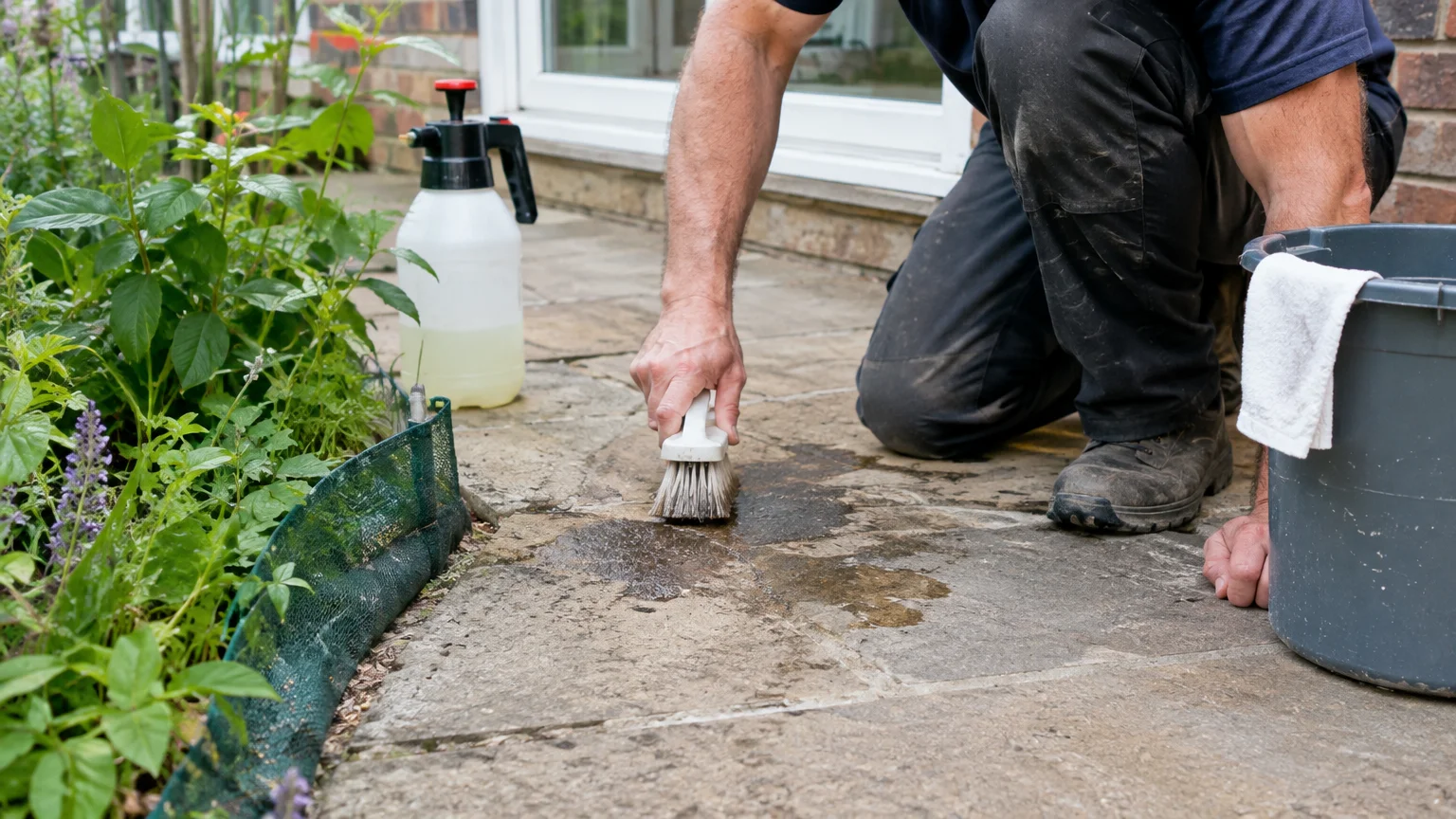
Ask for a professional assessment when a stain is large, unknown, deep, or on a fragile or costly surface. A specialist can help match the treatment to the material and lower the risk of damage. Homeowners do not need a professional for every small, known spill or routine rinse.
Signs the stain or surface needs specialist assessment
Think about professional help if a stain keeps returning, spreads after rinsing, or affects brick, stone, paint, or a sealed finish. Get advice before treating a chemical spill from an unknown source. A cracked, flaking, or worn surface can be harmed by even a well-meant cleaning attempt.
Simple care is often safe to do at home. Homeowners can sweep loose dirt, gently rinse a small patch, and clean a known minor spill by following its label. Stop if the stain stays, the surface changes, or the cleaner’s directions are unclear. A larger stain may need professional stain removal rather than stronger pressure.
What information to share before arranging service
Tell the provider what the surface is made of, where the mark is, and when you first saw it. Share what may have caused it, such as rusty furniture, sprinkler water, oil, or a known product spill. Mention any cleaner you have used and whether the surface changed afterward.
Photos can show the stain’s size and nearby details, but they may not show the surface condition. Pressure Washing Largo can help property owners discuss a stain and the surface it has affected. Clear details help the provider decide whether more checks are needed before cleaning starts.
How can you prevent rust and mineral stains from returning?
Prevent stains from returning by fixing their source, not only cleaning the mark. Keep rusty metal from draining onto surfaces, adjust sprinklers that wet walls or paving, and address ongoing moisture near masonry. Regular checks can help find new marks before they become harder to treat.
Addressing the source of recurring deposits
Check metal furniture, railings, fasteners, and sprinkler parts for rust. Repair or replace rusty items when needed, and keep them from sitting where water can carry rust onto a surface. If a sprinkler leaves mineral spots, adjust it so it does not spray siding, brick, or paving.
Look for places where water runs or stays after rain. A white mark that returns on masonry may point to moisture moving through the wall. Fixing a leak or changing how water drains may matter more than cleaning the deposit again. If dampness continues, get help finding its source.
Choosing maintenance practices that protect the surface
Sweep patios, walkways, and decks so grit does not build up. Rinse small spills soon when it is safe, and use cleaners suited to the material. Follow the maker’s care guide for composite decking, siding, and coatings. Avoid harsh tools and strong spray settings on surfaces that can scratch or wear.
In Largo, check sprinkler spray and runoff during routine outdoor care.
Key takeaways
- Pressure washing clears loose dirt, while some stains need a targeted cleaner.
- Rust, minerals, and chemicals can affect surfaces in different ways.
- Test cleaners in a hidden spot and follow the product label.
- Fix the source of returning stains to help prevent new marks.
Conclusion
Choosing stain treatment vs pressure washing starts with finding the stain and surface. Gentle rinsing often works for loose dirt, while rust, minerals, oil, and chemical marks need more care. Stop if a test harms the finish or the stain’s cause is unknown.
For help with a stubborn stain or a surface that needs special care, Contact us to discuss the issue with Pressure Washing Largo.
Frequently Asked Questions
Can pressure washing remove rust stains?
Pressure washing may clear loose dirt around a rust stain, but it may not remove the iron discoloration. A cleaner made for rust and safe for the surface may work better. Test a hidden spot first, follow the label, and fix the rusty source to help keep the mark from returning.
How can oil stains be removed from a concrete driveway?
Start by blotting fresh oil without spreading it. For a set stain, use a cleaner labeled for oil or grease and safe for concrete. Follow its directions, then rinse with care. Pressure alone may leave a dark patch because oil can soak into tiny spaces in concrete.
Can composite decking be pressure washed?
Some composite decking can be rinsed with pressure, but a strong or close spray may mark it. Follow the maker’s care guide first. For regular dirt, a soft brush and mild cleaner may be safer. Test a hidden area and do not force water into gaps.
How should vinyl siding be washed?
Vinyl siding is usually safer to clean with a gentle method than a direct, high-pressure spray. Use a cleaner made for the siding and follow its directions. Keep water from being driven behind the panels. For stains or growth that resist gentle cleaning, ask about soft washing.
How can someone tell rust from a mineral stain?
Rust often leaves orange, red-brown, or yellow marks near metal or iron-rich water. Mineral deposits are often white or pale and may form a crust where water dries. These clues are not certain, and a chemical stain can look similar. Avoid guessing when the source is unknown.
If you are not sure what you are dealing with, it is worth having someone look at it before it turns into a bigger job. Get in touch with Pressure Washing Largo today and we will tell you where you stand.





