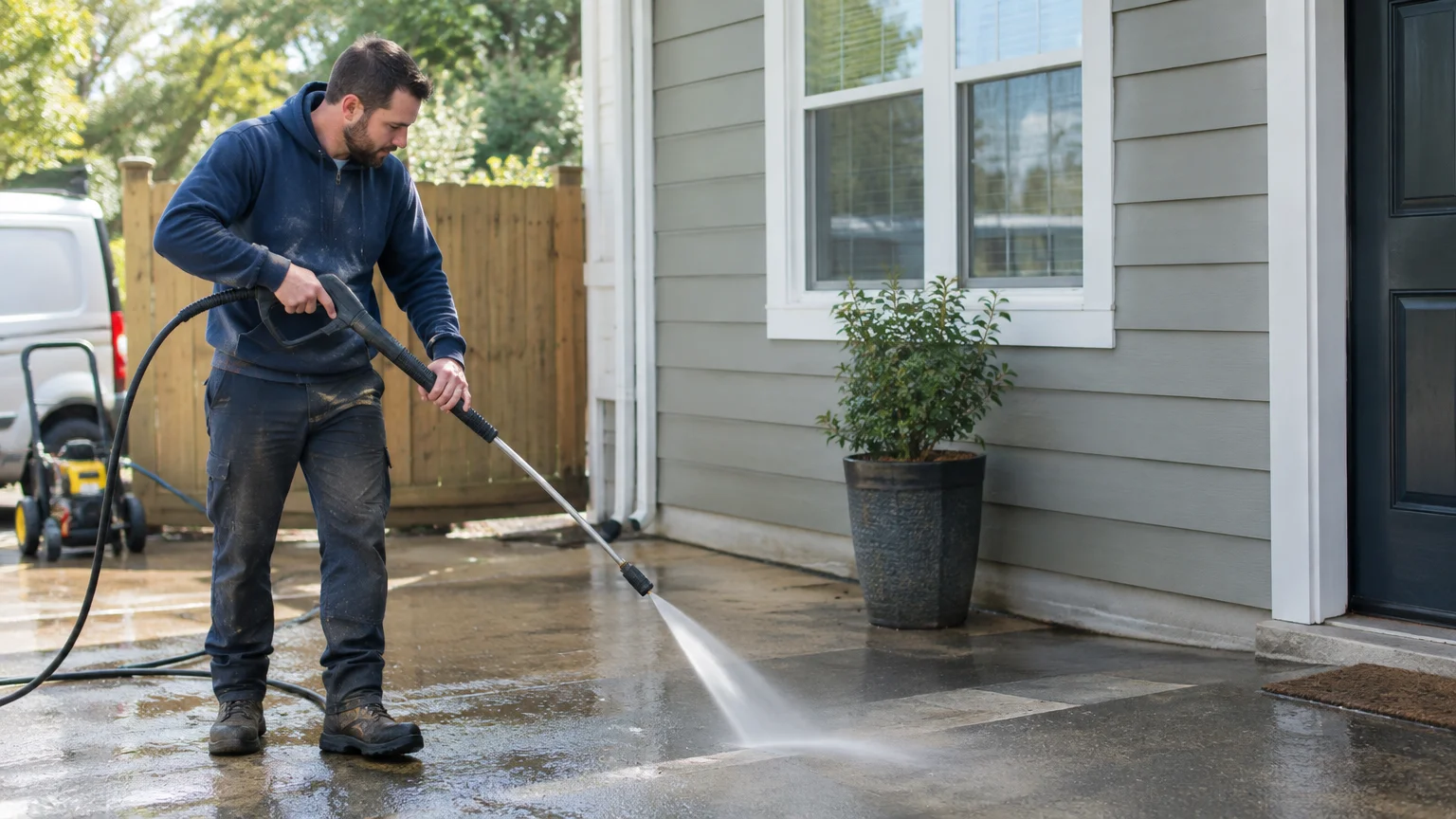
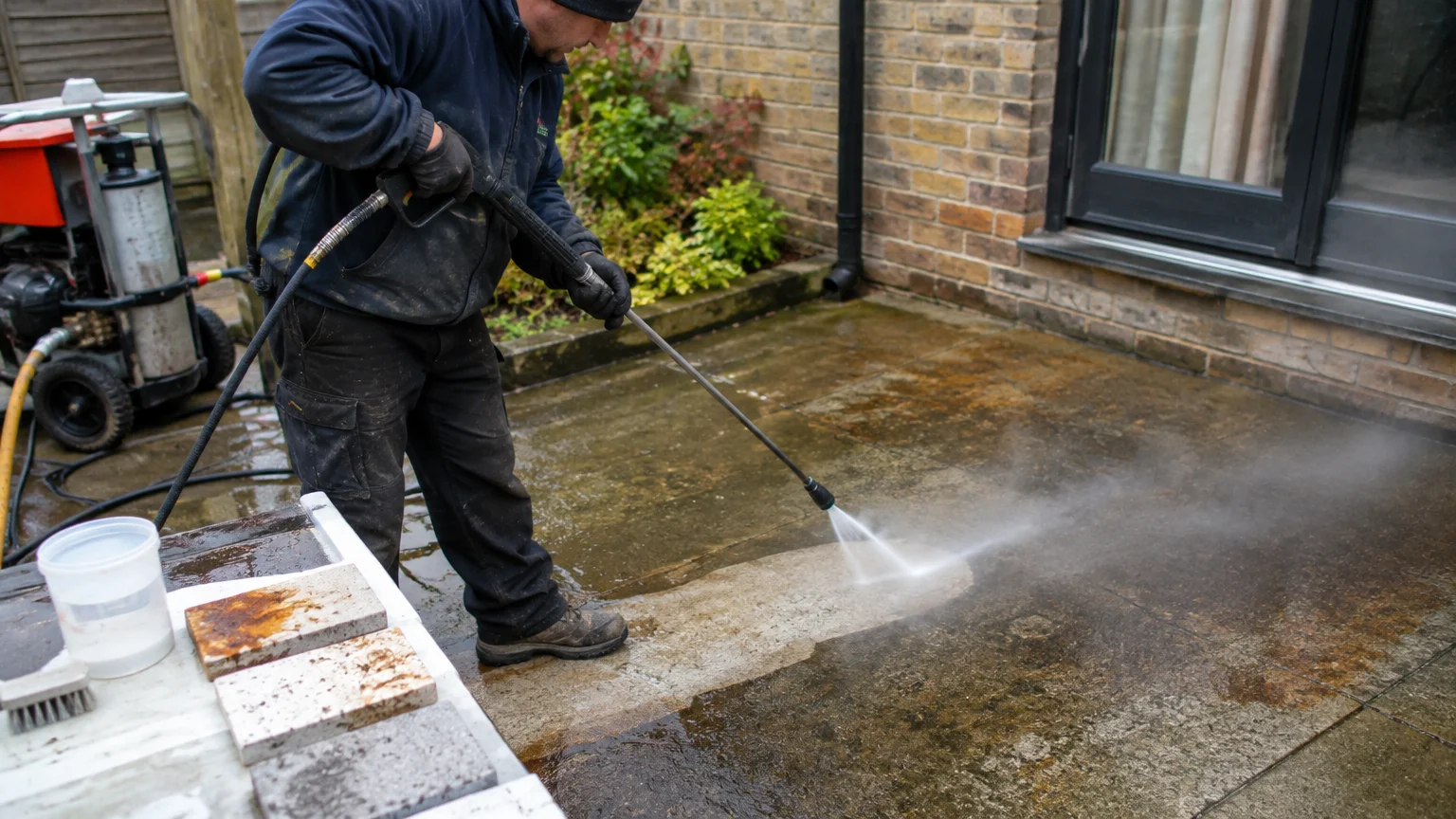
A pressure cleaning company’s service list can help you see whether it cleans the surfaces you need and how it may do the work. Read each description for the cleaning method, work area, preparation, safety, and cleanup. Ask about anything unclear before choosing a contractor in Largo.
Table of Contents
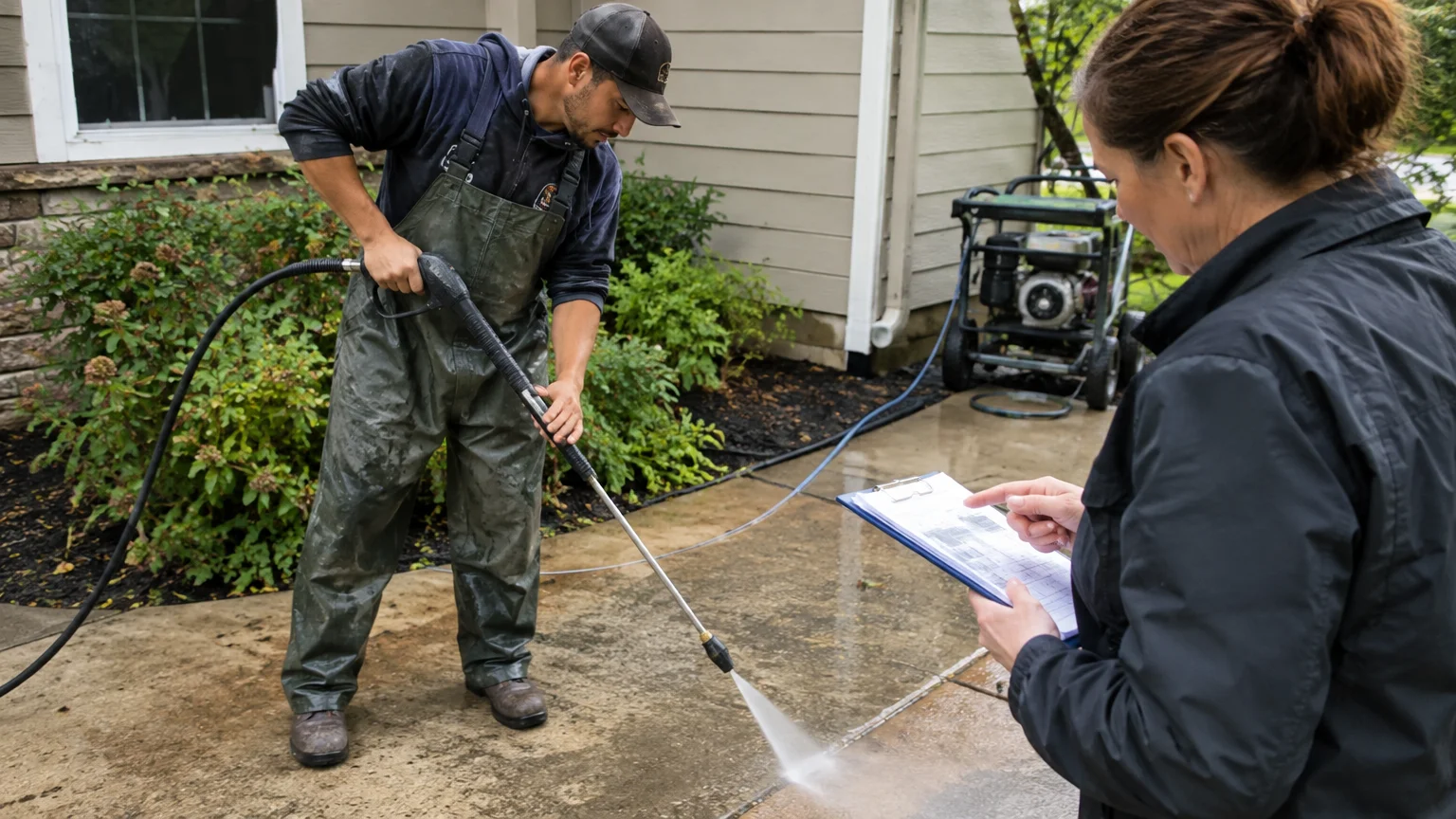
- What can a pressure washing company’s service list tell you?
- Which surfaces should a pressure cleaning company list by name?
- How can you tell whether a service is pressure washing or soft washing?
- What should a service description explain about the cleaning method?
- How should you read the scope of each listed service?
- What preparation and cleanup should the service list mention?
- What credentials and protections should you verify before booking?
- What questions should you ask about services that are vague or missing?
- What warning signs should you look for in a pressure washing service list?
- How can you compare service lists and choose a pressure washing company?
What can a pressure washing company’s service list tell you?
A service list should say what a company cleans and how it plans to clean it. It helps property owners see whether the team works with the right surfaces and knows how to care for them. A useful list gives more than service names; it explains what the work may include.
How do service names describe different cleaning tasks?
Names such as driveway cleaning, house washing, and deck cleaning point to different kinds of work. But a name may not explain the full process. House washing, for example, may cover siding and trim, while windows, screens, or gutters may be separate tasks. The service details should state these limits.
A list may also name a service such as Concrete Cleaning Services or deck cleaning. These names help you find work that may fit your needs. Still, ask for details. If your driveway has oil stains, ask how the team treats them and whether the stain’s age or depth may affect the result.
Why is a detailed list more useful than a long one?
A long list can look complete but still leave important questions unanswered. Clear descriptions explain which areas the crew will clean, what method it may use, and what the service does not cover. This helps you compare companies by how well the work fits your property, not by the number of items on a list.
Look for details that match your home or business. Pressure Washing Largo can help Largo property owners learn which listed service may suit a planned cleaning. A helpful answer should consider the surface and the work area. It should not promise the same result for every property.
Which surfaces should a pressure cleaning company list by name?
A pressure cleaning company should name the surfaces it works on, such as concrete, siding, decks, fences, brick, and patios. Different surfaces can react in different ways to water pressure and cleaning products. A clear service name gives you a good place to start when asking about care and method.
What surfaces have different cleaning needs?
Concrete is hard, but cracks, worn coatings, and old marks can change how it should be cleaned. Wood may splinter or lose its finish if handled the wrong way. Vinyl siding needs care to keep water from getting behind the panels. Brick and mortar may also need gentle treatment, especially if the joints are worn.
Composite decking is made from materials that can vary by product and age. Some types may handle careful pressure washing, while others need a gentler method. The contractor should ask what kind of deck you have and check the maker’s care advice when needed. Painted surfaces and older fences also call for care.
Why does surface-specific wording matter?
A broad term like “exterior cleaning” does not tell you whether a company cleans a pool deck, a fence, or a building façade. Specific words help you check whether the company works on the surface you need cleaned. They also help you ask about finishes, loose boards, or nearby plants.
For example, if you want to wash a house with vinyl siding, ask how the crew protects openings and keeps water from going behind the siding. If you want to remove oil stains from a driveway, ask whether some marks may remain. A service list should not promise that every stain will come out.
How can you tell whether a service is pressure washing or soft washing?
Check whether the service description names a cleaning method or says that the method depends on the surface. Pressure washing uses a pump to send water out with force. Soft washing uses a gentler rinse and a cleaning solution to loosen dirt or plant growth.
What does soft washing mean?
Soft washing is a cleaning method that uses a suitable cleaning solution more than strong water force. The crew applies the solution, then rinses the surface with lower pressure. The right product and steps depend on the surface, the dirt, and nearby plants or finishes.
The name alone does not tell you enough to judge the service. Ask what the company means by soft washing and which surfaces it cleans this way. A careful contractor should explain how the method fits the surface and how the crew plans to protect the area.
Why should the method match the surface?
Too much force can harm some materials, loosen paint, damage soft wood, or push water into gaps. A gentler method may work better for siding or delicate finishes. Stronger cleaning may suit durable concrete. No one setting or process is right for every property.
The service description should allow for a check at the property. A contractor may need to see the surface, its condition, and any old damage before choosing a method. If a company says it uses one method for every job, ask how it handles different materials and site conditions.
What should a service description explain about the cleaning method?
A useful description explains the basic method, the surfaces it suits, and how the crew treats delicate or damaged areas. It should also say that the plan may change after the contractor checks the site. This gives you a better idea of what to ask before you set a service date.
What should it say about equipment and cleaning solutions?
A service description does not need to name every tool. It should explain in plain words whether the work uses water pressure, a soft wash, or another method suited to the surface. If the crew uses cleaning products, ask what kind they use and how they protect plants, pets, and outdoor items.
Ask whether the team rinses the surface after treatment and whether the products suit the material. Be careful with broad claims such as “safe for everything.” The crew should explain how it picks a method for your surface and changes its plan if it finds a concern.
How should a company address delicate or damaged surfaces?
A good service description should not hide the limits of cleaning. It should say that old damage, loose parts, worn coatings, or deep stains can affect the result. The contractor should point out concerns before work starts and discuss a safer choice if needed.
You can take care of simple upkeep yourself. For example, move small outdoor items, sweep loose leaves, or rinse light dirt with a garden hose. You do not need a professional for these basic jobs. A contractor is a better choice when the surface is high, hard to reach, badly stained, or at risk from the wrong method.
How should you read the scope of each listed service?
The scope is the part that says what the crew plans to clean and where the work starts and ends. Read it to learn whether the service covers a whole surface or only one named area. If the wording is broad, ask the company to describe the work before you book.
What should be included in the work area?
A service description may name a driveway, front walk, patio, fence, or building exterior. It should also say whether edges, steps, rails, or attached parts are included. A “patio cleaning” service may not cover outdoor furniture or a nearby retaining wall unless the description says so.
For a business, the scope may need to name the storefront, sidewalk, entry, awning, and loading area. A property manager should check which sides of a building are included and whether the crew can reach each one. Clear work limits help everyone share the same idea of what will happen on service day.
How can you spot exclusions and unclear boundaries?
Look closely at words like “as needed” or “general exterior” when no other details follow. Ask whether the crew handles stains, delicate trim, screens, or spots blocked by stored items. Also ask what the team will do if it finds a surface that may not be safe to clean.
A written description should help both sides agree on the work area. You can share photos and point out stains or damage before the visit. The company can then say what it can clean and what may need separate care. Clear limits are useful because a service name is not a promise about every surface.
What preparation and cleanup should the service list mention?
The service description should say what you and the crew need to prepare, how nearby property will be protected, and what cleanup comes after. These details can help the visit go smoothly. They also show whether the contractor has thought about runoff, plants, and items near the work area.
What should the owner prepare?
Before the visit, you may need to move light furniture, toys, mats, or other loose items. The company should say whether you need to move them or whether the crew can help. Close doors and windows, and keep pets away from areas where the team is working.
Point out outdoor outlets, loose boards, worn seals, and places that may leak. The contractor may need access to a water source or a clear path to the surface. Confirm these details ahead of time instead of guessing when the crew arrives.
How should the crew protect the site and clean up?
Ask how the crew plans to protect nearby plants, outdoor items, and surfaces that should stay dry. Runoff is water that flows away from the area being cleaned. It may carry dirt or cleaning residue. The company should explain how it handles runoff and follows local rules that apply.
The service description should also say whether the crew rinses the area and removes its tools and supplies afterward. Ask what the surface may look like while it dries and whether it needs care after cleaning. Clear answers set fair expectations without promising that every stain will disappear.
What credentials and protections should you verify before booking?
Ask whether the contractor has insurance and whether local rules apply to the work. A service list may not include these details, so check with the company directly. Also ask who is responsible if the crew damages something and how the company handles concerns.
What should you ask about insurance and local rules?
Ask the company to confirm that it has insurance for the work it does. You can ask to see proof and check that it is current. Rules can differ by place and type of work, so ask which local rules apply to your property and service.
Do not assume that a neat website or a long service list proves that a company has coverage. A reliable contractor should answer clearly and give you time to review the details. If an answer is not clear, ask again before you agree to a service date.
How can you check training and responsibility?
Ask how the crew learns to handle different surfaces, tools, and cleaning products. The company should explain how it checks the work area and chooses a suitable method. It should also tell you who to contact if damage or another concern comes up after the job.
Pressure washing can involve strong equipment, slippery areas, and water near openings or electrical items. Do not test a contractor by asking for risky work. Instead, ask how the crew keeps the site safe and what it will do if it finds a hazard or damage it did not expect.
What questions should you ask about services that are vague or missing?
Ask clear questions about the surface, method, work area, and site conditions. A useful answer should fit your property, not rely on a general promise. These questions can help homeowners, business owners, and property managers compare the work each company offers.
What questions clarify the method and scope?
Use a short list to make the answers easy to compare:
- Which method will you use for this surface, and why?
- What areas and attached parts are included?
- Could stains, algae, or other marks remain after cleaning?
- What should I move or protect before the visit?
- How will you handle plants, runoff, and nearby surfaces?
- What might make you stop or change the planned work?
These questions can help with house washing, concrete cleaning, fence cleaning, or deck cleaning. If you have a certain concern, such as oil on concrete, explain it and ask what result is likely. A contractor should not promise to remove every stain without checking the surface.
How can you confirm the company handles your property?
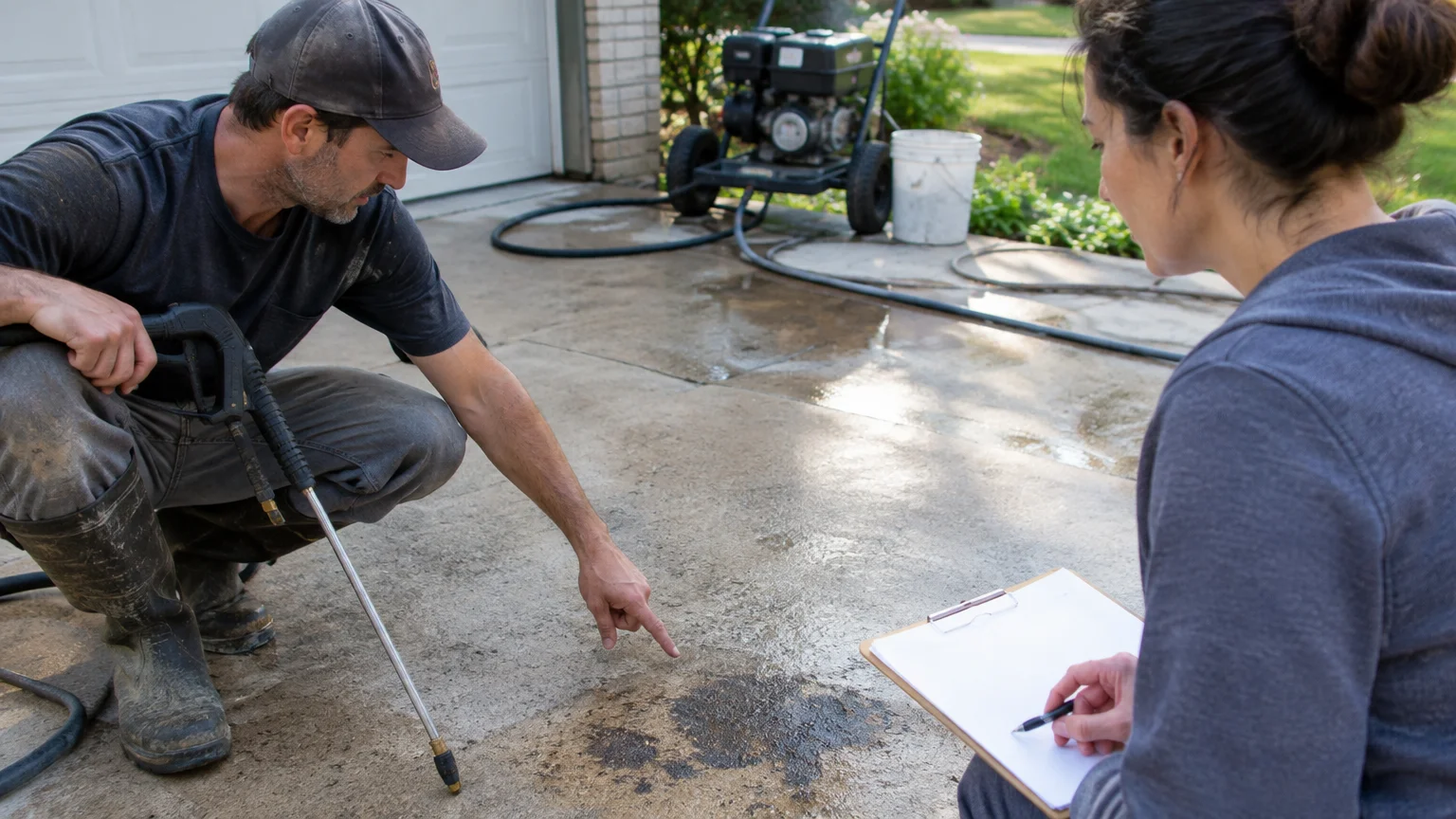
Tell the contractor what the surface is, what shape it is in, and whether you know of any damage. Photos can help the company understand the site, though they may not replace a visit. Ask whether the crew has worked on similar materials and what else it needs to know before confirming the service.
If your home has vinyl siding, ask how the crew keeps water from going behind the panels. For composite decking, share the product details if you know them. For a business property, explain access needs and which areas must stay open. These facts help the contractor decide whether the service fits your site.
What warning signs should you look for in a pressure washing service list?
Be careful if a service list makes broad promises but says little about surfaces, methods, or limits. A good contractor should explain how the work changes to fit the property. Look for signs that the company takes safety, old damage, plants, and nearby materials into account.
Which claims deserve a closer look?
A claim that every surface gets the same treatment should raise questions. So should a promise that every stain will come out or that pressure cannot harm a surface. Results depend on the material, the mark, its age, and the area’s condition. A trustworthy company explains these limits in simple terms.
Other warning signs include unclear work areas and no mention of preparation or cleanup. Take care if the company avoids insurance questions, cannot explain how it picks a method, or ignores visible damage. A service list should help you make a sound choice, not push you to accept work that is unclear.
Why do safety and environmental details matter?
Water and cleaning products can affect plants, nearby surfaces, and drains. The crew should explain how it handles these risks and keeps people away from the work. A service description with no mention of site protection may be missing useful details, especially near a garden or public walkway.
Be careful with do-it-yourself work on roofs, upper walls, or unstable surfaces. You can handle simple upkeep near the ground, but do not take risks with ladders, strong equipment, or cleaning products you do not know. A professional should explain when a task is not safe for the service listed.
How can you compare service lists and choose a pressure washing company?
Compare how well each list fits your property, not how many services it names. Look for a clear method, set work limits, sensible preparation, and honest details about what may not be cleaned. Then check the contractor’s insurance and discuss site concerns before choosing a company in Largo or the wider area, including Downtown Largo, Harbor Bluffs, Clearwater, Seminole, Belleair, Pinellas Park, and nearby communities.
What final steps help you make a sound choice?
Use these steps to review your options:
- Name the exact surface and area that needs cleaning.
- Find a service description that names that surface.
- Ask what method the contractor plans to use and why.
- Check what is included, excluded, and needed before the visit.
- Confirm insurance, local rules, and how damage concerns are handled.
- Compare the answers and choose the contractor whose work fits the site.
These steps can help you compare a local pressure washing contractor with another company serving the Largo area. A business name or service label is not enough by itself. Clear answers can show whether the contractor understands the job and can explain a sensible plan for your property.
Frequently Asked Questions
Can a pressure washer remove oil stains from a driveway?
It may make some oil stains lighter, but it may not remove them all. The result depends on the concrete, how old and deep the stain is, and whether it was treated before. Ask how the contractor handles oil and what result you might expect. More pressure does not always remove a deep stain.
Can you pressure wash composite decking?
Some composite decks can be cleaned with a pressure washer, but the safe method depends on the product and its condition. Too much force can leave marks or damage the surface. Ask the contractor to check the maker’s care advice and explain the plan before work begins.
How should vinyl siding be washed?
Vinyl siding often needs a gentler method than hard concrete. The crew should avoid aiming strong water behind the panels and should protect nearby openings and plants. Before agreeing to the work, ask how the contractor will handle loose, cracked, or older siding.
Does a service list show exactly what the crew will clean?
Not always. A service name may describe the general task, while the scope says which areas are included and what is left out. Ask whether steps, trim, screens, stains, or nearby surfaces are part of the job. Clear details help you and the contractor agree on the plan.
What should a homeowner check before the crew arrives?
Move small loose items if the company asks, close windows and doors, and keep pets away from the work area. Point out known damage, leaks, or delicate surfaces. Confirm access and any preparation with the company before the visit, since each property and service may need different steps.
Key takeaways
- Match the listed service to the exact surface and work area.
- Ask how the cleaning method suits the material and its condition.
- Confirm preparation, protection, cleanup, and service limits.
- Check insurance and ask who handles damage concerns.
- Choose clear answers over broad promises or long service lists.
Conclusion
A service list is a starting point, not a full plan for your property. Choose a contractor who can explain the method, work area, safety steps, and limits in plain words. Pressure Washing Largo helps property owners understand which listed services may fit their needs. Contact us to discuss your surface and confirm whether the service suits your property.