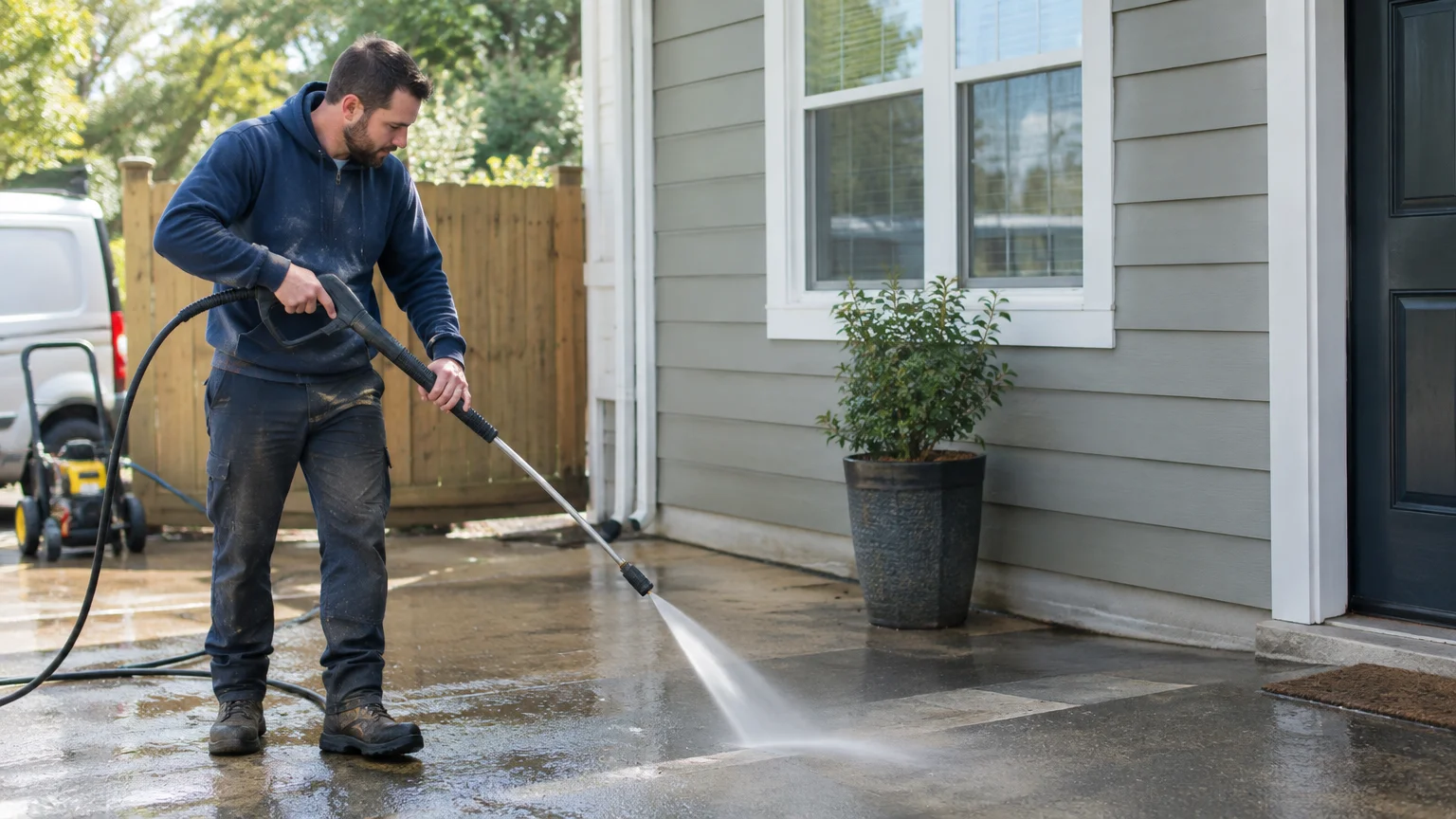
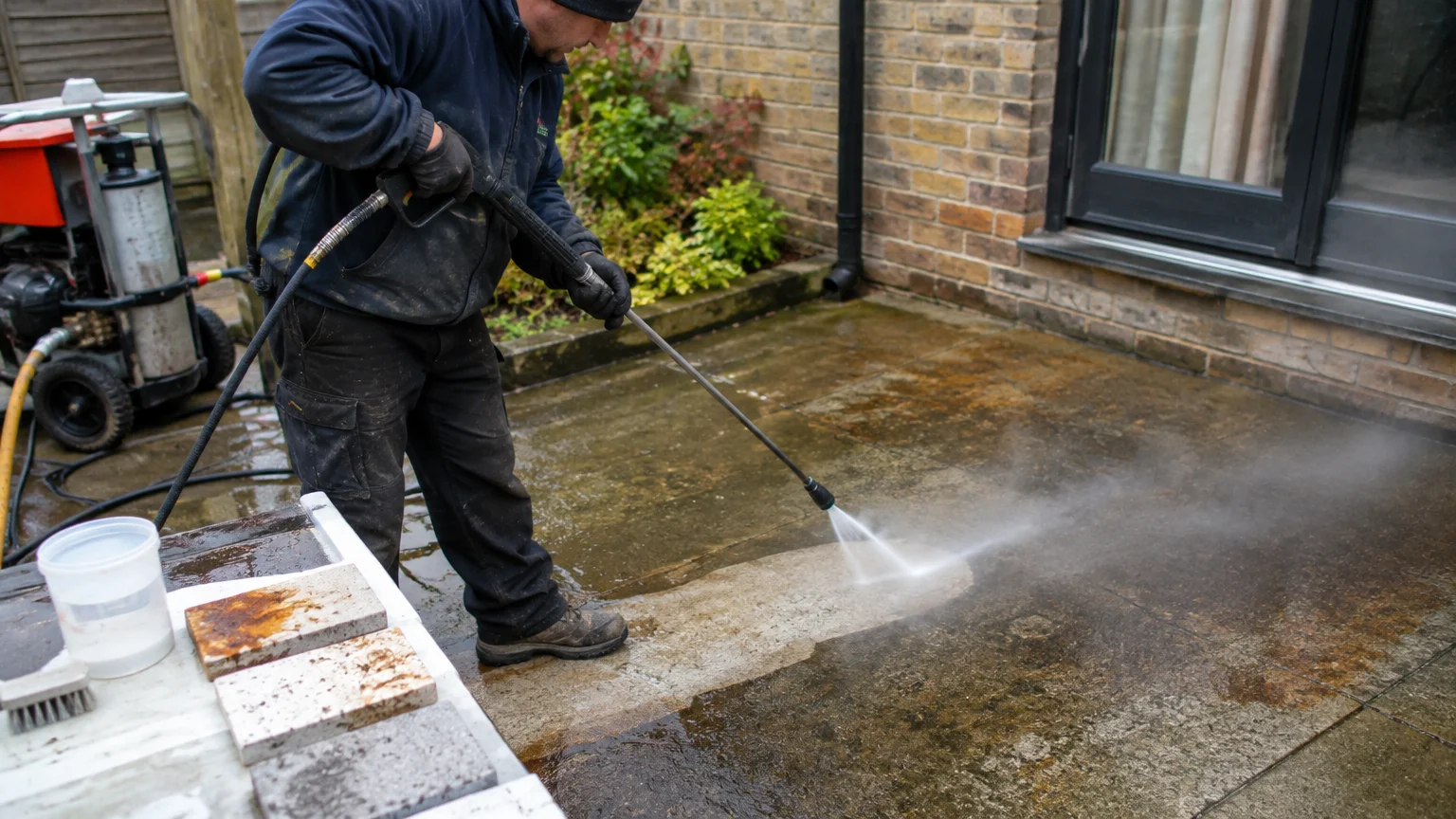
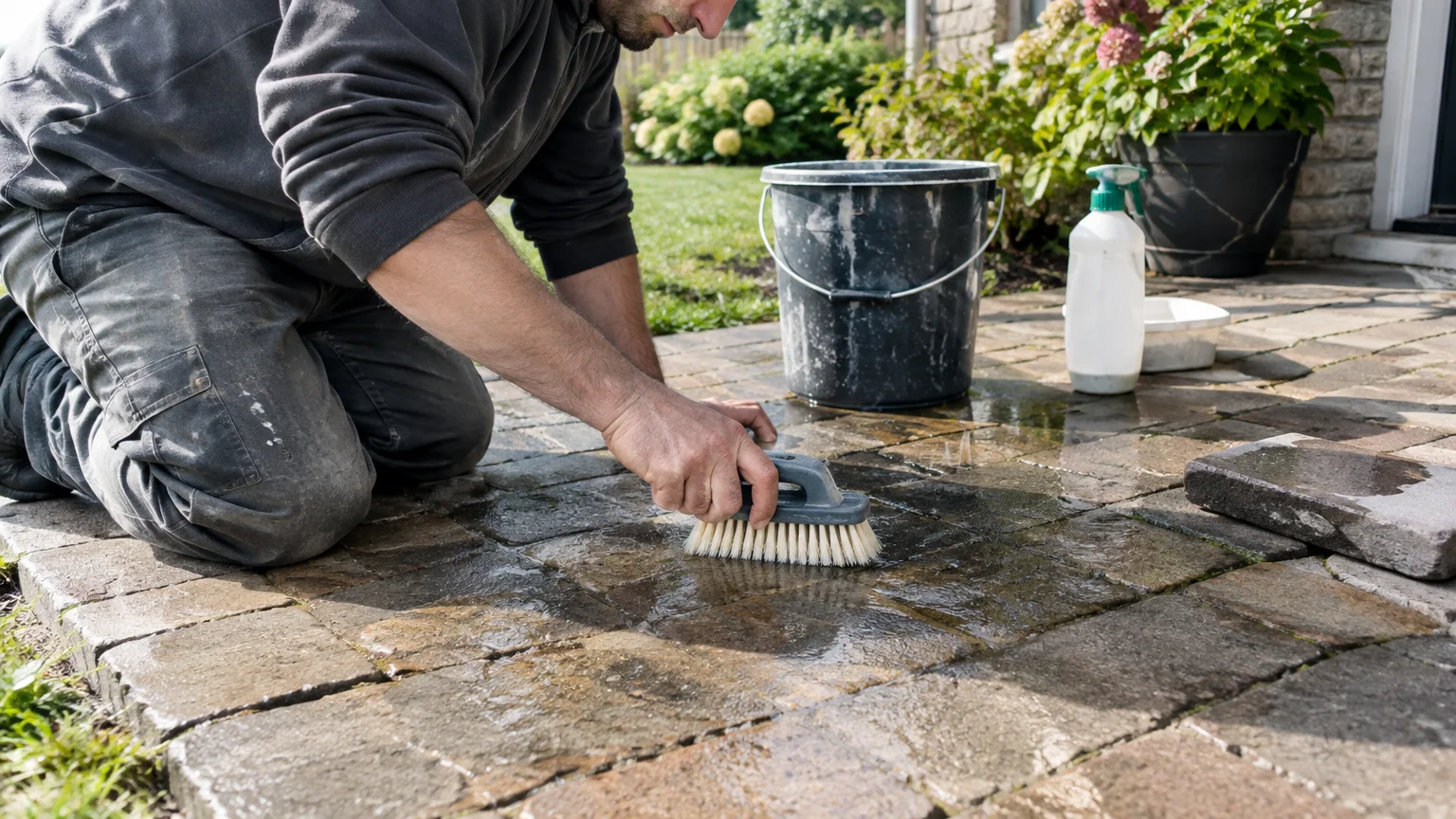
Driveway pressure washing can be eco-friendly when you use safe pressure, mild cleaners, and good runoff control. The goal is to remove stains without harming concrete, plants, pets, or nearby waterways. Careful planning also helps protect the driveway and keep it cleaner between washings.
Table of Contents

- What makes driveway pressure washing eco-friendly?
- Which driveway stains can eco-friendly cleaning remove?
- What cleaners are safe for concrete and nearby landscaping?
- How should homeowners manage driveway washing runoff?
- What is the best process for low-impact driveway pressure washing?
- How can you prevent driveway stains and buildup between cleanings?
- When should you hire a professional for eco-friendly driveway washing?
- Frequently Asked Questions
What makes driveway pressure washing eco-friendly?
Eco-friendly driveway pressure washing uses only the water and pressure needed for the job. It also limits strong chemicals, protects nearby soil, and keeps dirty water away from storm drains. This careful method can clean concrete well while causing less harm around the property.
How water pressure reduces reliance on harsh chemicals
Water pressure can loosen dirt, tire marks, algae, and surface grime. This may reduce the need for strong cleaners. More pressure is not always better, though. High pressure can leave marks, expose soft concrete, or remove the top layer from an old surface.
A safer method starts with the lowest pressure that can clean the area. Keep the nozzle moving and hold it at a safe distance. A wide spray often works better than a narrow jet on broad concrete. It spreads the force over more space.
Sweep first to remove leaves, sand, and loose grit. This keeps those materials out of the runoff. It can also shorten the washing time. For a home in Largo, this simple step may help protect gardens and paved areas near the driveway.
Choosing biodegradable cleaners for concrete surfaces
A biodegradable cleaner breaks down through natural processes. It still needs careful use. A product may be biodegradable but still harm plants, pets, fish, or soil when mixed too strongly.
Read the label before use. It should explain how to dilute, apply, store, and rinse the product. The cleaner should match the stain and surface. Concrete with oil may need a degreaser, while light algae may need mild soap and careful rinsing. Pressure Washing Largo can help property owners choose a method that fits the surface.
Which driveway stains can eco-friendly cleaning remove?
Eco-friendly cleaning can remove many common stains. These include dirt, algae, mildew, tire marks, and some oil spots. Results depend on the stain’s age, the concrete’s condition, the weather, and past sealers. Old stains may fade instead of fully disappearing after one wash.
Oil, grease, and automotive fluid stains
Oil and grease need more care than loose dirt. A cleaner must break up the oily film before rinsing. A surface-safe degreaser, absorbent material, and gentle scrubbing may help with a fresh spill.
Act soon after a spill. Keep people and pets away from the area first. Then absorb the liquid with a suitable material. Do not push the spill toward a curb or drain. After most oil is removed, use a concrete-safe cleaner on the remaining mark.
Old automotive fluid can soak into concrete pores. Pressure washing may improve the look, but it may not remove every dark area. Repeated harsh cleaning can damage concrete without fixing a deep stain. A professional can test a small spot and explain what result is likely.
Algae, mold, mildew, and organic buildup
Green or dark growth often appears where concrete stays damp and shaded. Algae is a simple plant-like growth. Mold and mildew are types of fungi that grow on damp surfaces. Each may need a different cleaner and wait time.
A mild treatment can loosen organic buildup before rinsing. Do not let the cleaner dry on the concrete. When the label allows it, wet nearby grass, shrubs, and flowers with clean water before work starts. This may reduce plant stress.
Driveway Cleaning Services may also help with tire marks, soil, and buildup near garage doors. The method should match the stain. A cleaner used for oil may not suit algae or rust. Test a small area first to help prevent damage.
What cleaners are safe for concrete and nearby landscaping?
The safest cleaner depends on the stain, concrete age, surface condition, and nearby plants. Mild detergents, oxygen-based cleaners, and plant-safe products may work for many jobs. Follow the label, and never pour a product into a street, storm drain, creek, or pond.
Comparing plant-safe detergents, oxygen-based cleaners, and household products
Plant-safe detergents aim to reduce harm when used as directed. They may remove light dirt and organic film. They still need proper mixing and full rinsing. A product made for pressure washing is often safer than household soap made for another task.
Oxygen-based cleaners release oxygen when mixed with water. They may help remove some organic stains and can be gentler than chlorine products. They do not work on every stain. Check that the product is safe for concrete, plants, pets, and nearby metal.
Household products can be risky when mixed or used at full strength. Never mix cleaners unless the label says it is safe. Bleach, acids, solvents, and strong alkalis may harm plants, metal, concrete, or people. Mixed products can also create dangerous fumes.
Products and ingredients to avoid around soil, pets, and waterways
Do not choose a cleaner only because it removes stains fast. The product may travel with the wash water. It may remain in soil or reach a drain after rain. Strong acids can etch concrete, while some solvents can harm plants and water life.
Read the label and plan where water will go before cleaning. Keep children and pets away until the surface is rinsed and dry. Cover plants only when the label allows it. Some covers can trap heat and harm leaves.
Concrete Cleaning Services can help when landscaping is sensitive, the driveway is steep, or a drain is close by. A careful cleaner can use less product, protect the edges, and rinse in a controlled way. These steps matter as much as the cleaner.
How should homeowners manage driveway washing runoff?
Driveway runoff is dirty water made during washing. It may contain soil, oil, detergent, paint flakes, and other debris. Keep this water on the property when practical, and stop it from flowing into storm drains or natural water.
Where wash water should and should not flow
Wash water should not cross a sidewalk into a street drain. Storm drains often move water away without the treatment used for indoor wastewater. Dirty water can carry oil and detergent toward streams, ponds, or wetland areas.
Use the driveway slope and nearby lawn only when the soil can absorb the water and the product label permits it. Do not direct water toward a neighbor’s lot, basement entry, well area, or steep bank. Check local guidance before a large cleaning job because rules may vary.
Practical ways to contain, redirect, and recover runoff
Simple barriers can help control runoff. Absorbent socks, sandbags, approved drain covers, and temporary berms can guide water away from sensitive areas. A wet vacuum or recovery tool may collect dirty water where the slope makes control hard.
Sweep loose debris and start with a small cleaning area. Professional help may be best when oil is heavy, the driveway slopes toward a drain, or the property is near water. Never block a drain in a way that causes flooding or sends water into a building.
Pressure Washing Largo serves property owners across Largo, including Downtown Largo and Harbor Bluffs. The team also works in Clearwater, Seminole, Belleair, Pinellas Park, and nearby communities. Local soil, slopes, shade, and weather can affect how water moves and collects.
What is the best process for low-impact driveway pressure washing?
The best low-impact process is planned and matched to the concrete. Start with an inspection, remove loose debris, treat stains only as needed, and use controlled pressure. The final rinse should move toward a safe collection or absorption area.
Pre-inspection, sweeping, and spot treatment
Check for cracks, loose joints, flaking concrete, old sealers, paint, and damaged edges before washing. These areas may need lower pressure or another method. Also locate outlets, hoses, gates, plants, pets, and storm drains.
Sweep away leaves, sand, and small stones. Test a hidden spot to see how the cleaner affects the surface. Keep spot treatment limited to the affected area. Strong cleaner across the whole driveway wastes product and creates more runoff.
A homeowner can often sweep, rinse light dirt, and handle a fresh spill without professional help. The job is less suitable for DIY work when concrete is badly cracked, the fluid is unknown, or a drain is close. Wear eye protection, gloves, and shoes with good grip.
Selecting pressure, nozzle distance, and rinsing techniques
Adjust pressure to match the concrete. A broad fan pattern is often safer than a narrow stream. Keep the nozzle moving, and begin farther away before moving closer if needed. Holding the spray in one place can cut or stripe the surface.
Clean the driveway in small sections. This helps stop dirty water from drying on areas already rinsed. Rinse from the highest clean area toward the planned collection or absorption spot. Avoid spraying walls, doors, cars, and plants with dirty water.
Pressure Washing Services may use surface cleaners on broad concrete areas. These tools can produce a more even result than a hand wand. The operator still must control water, pressure, cleaner, and runoff. Equipment alone does not make cleaning eco-friendly.
How can you prevent driveway stains and buildup between cleanings?
Routine care can prevent heavy buildup and reduce the need for strong cleaning. Sweep the driveway, respond to spills quickly, clear leaves, and watch shaded areas. Small tasks are easier on concrete and the environment than repeated deep cleaning.
Routine maintenance for concrete driveways
Sweep every few weeks to remove grit, leaves, and soil before they collect in cracks. A garden hose may handle light dust when runoff can be controlled. Watch for standing water because it can support algae and speed surface wear.
Address oil spots as soon as they appear. Clean absorbent material can lift fresh liquid before it spreads. Handle the used material under local disposal rules. Washing oil into a gutter is not a safe cleanup method.
Patio Cleaning Service and Sidewalk Cleaning may help when buildup connects several hard surfaces. Cleaning nearby areas together can make water planning easier. Each surface still needs a check because pavers, concrete, and old coatings respond differently.
Sealing, spill response, and seasonal care
A concrete sealer forms a protective layer over the surface. It may reduce water entry and make some stains easier to clean. Sealers do not repair broken concrete, and they need proper preparation. Choose a product made for the driveway type and follow its cure instructions.
Seasonal care depends on local weather. Remove wet leaves before they sit for long periods. In warm, damp places such as Largo, shade and poor drainage may call for more frequent light cleaning.
Check the driveway after storms, vehicle repairs, and landscaping work. A simple record of stains and repairs can help you spot changes early. This supports longer surface life without repeated heavy washing.
When should you hire a professional for eco-friendly driveway washing?
A professional can help when stains are severe, concrete is weak, runoff is hard to control, or sensitive areas are nearby. DIY cleaning is often fine for sweeping, light rinsing, and small fresh spills. It is less suitable when pressure or chemicals may cause lasting damage.
Signs that DIY cleaning may damage concrete or landscaping
Pause and seek help when the driveway has flaking, deep cracks, loose edges, or a weak-looking surface. Unknown stains may also need care because some fluids react badly with common cleaners. A steep slope or nearby storm drain makes runoff harder to manage.
Other warning signs include plants close to the spray area, standing water near a foundation, and old pressure-washing stripes. Stop if a test spot darkens, powders, chips, or changes texture. More pressure will not fix an unsuitable cleaner or damaged concrete.
Pressure Washing Largo can help property owners compare DIY upkeep with professional driveway pressure washing. In Largo, soil, slope, shade, and weather may change the best plan. The goal is a clean surface without creating another problem.
What to ask about cleaning methods, runoff handling, and environmental practices
Ask clear questions before hiring a service. The answers can show whether the team has a careful process instead of using one setting for every surface.
- Which cleaner will be used for this stain and concrete type?
- How will plants, pets, walls, and nearby surfaces be protected?
- What pressure and spray pattern will be used?
- Where will wash water go during and after cleaning?
- How will the team handle oil, heavy algae, or water near a drain?
- Can the team explain which results may not be possible?
A trustworthy provider should welcome these questions. The team should also explain when concrete needs repair before cleaning. Property owners can compare answers without focusing only on speed. Safe work, clear planning, and honest limits all matter.
Key takeaways
- Use the least pressure and cleaner needed for the stain.
- Test damaged or sealed concrete before broad cleaning.
- Keep detergent, oil, and dirty water away from storm drains.
- Protect plants, pets, siding, doors, and nearby vehicles.
- Choose professional help when slope, stains, or surface damage raise the risk.
Conclusion
Eco-friendly driveway cleaning is about good choices, not one special product. A careful process uses measured pressure, targeted treatment, runoff control, and regular upkeep. It can remove common stains while helping protect concrete and nearby property.
Homeowners can handle light sweeping, small spills, and basic checks themselves. Professional help may be better for old oil, heavy organic growth, weak concrete, or difficult drainage. Contact us to discuss a careful cleaning plan with Pressure Washing Largo.
Frequently Asked Questions
How do you remove oil stains from a concrete driveway?
Absorb fresh oil before it spreads. Then use a concrete-safe degreaser to loosen the remaining film, followed by controlled rinsing. Old stains may only fade because oil can soak into concrete pores. Do not push oily water toward a street, storm drain, lawn, or waterway.
How often should a driveway be pressure washed?
There is no single schedule for every driveway. Shade, rain, traffic, trees, drainage, and spills all affect buildup. Light sweeping and quick spill response can reduce deep cleaning needs. Wash the surface when dirt, algae, or stains return.
What pressure washer is best for cleaning concrete?
The safest machine is one that can adjust to the concrete and cleaning tool. A wide spray pattern and steady movement help prevent marks. Start with lower pressure and test a small area. The strongest setting is not always the safest one.
Can pressure washing damage a concrete driveway?
Yes. Too much pressure, a nozzle held too close, or a spray held in one place can damage concrete. It may expose weak areas, leave stripes, or remove a worn surface layer. A pre-check and test spot can lower this risk.
Is pressure washing safe near plants and pets?
It can be safe when the cleaner is suitable, properly diluted, and kept out of runoff. Protect plants from spray and dirty water. Keep pets and children away during cleaning and until the area is rinsed and dry. Always follow the product label.
If you are not sure what you are dealing with, it is worth having someone look at it before it turns into a bigger job. Get in touch with Pressure Washing Largo today and we will tell you where you stand.