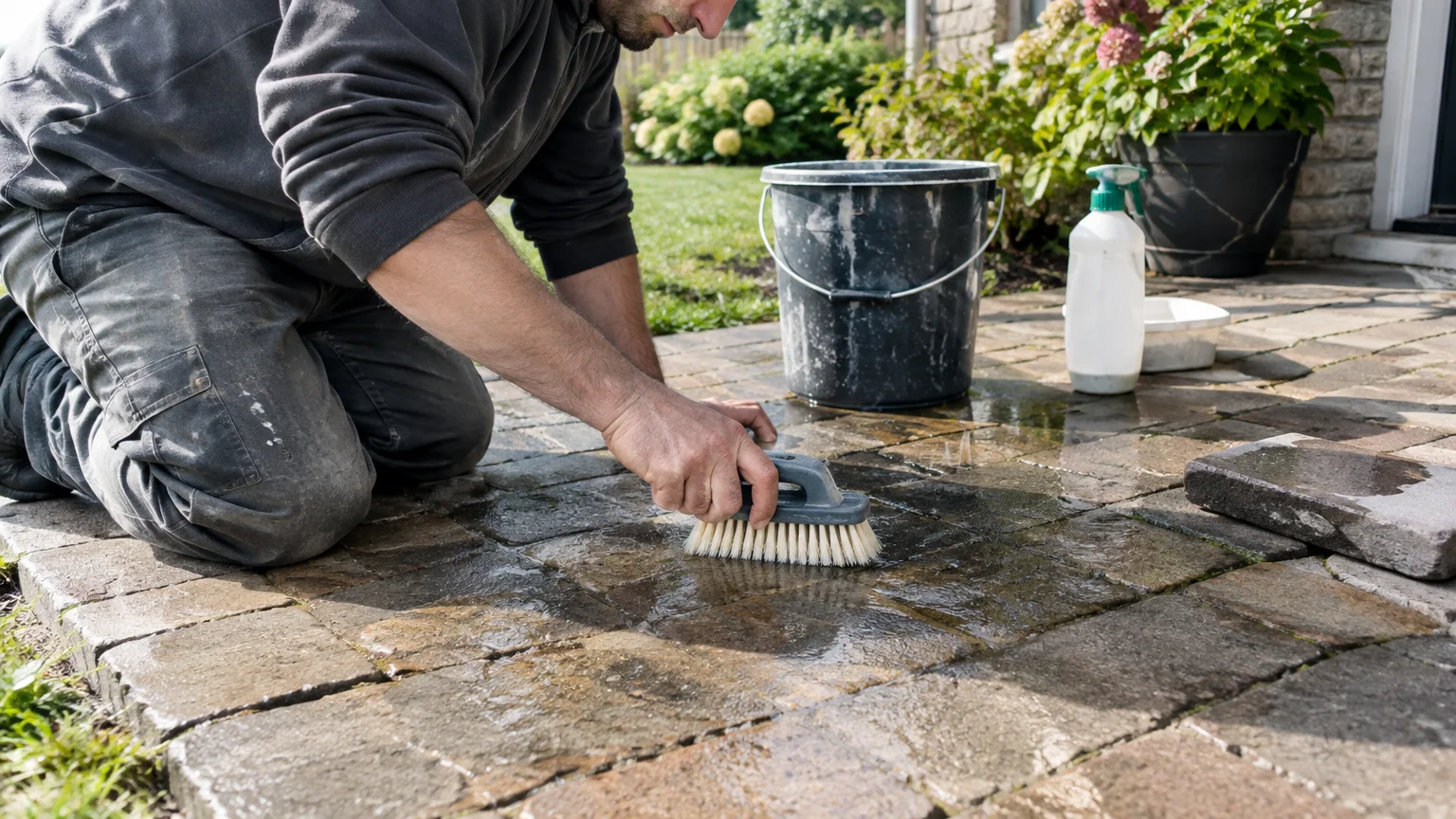
Pressure washing rent can clean many sturdy outdoor surfaces, including concrete, patios, walkways, and some siding. Safe results depend on the surface, water flow, nozzle, and cleaning method. Simple upkeep may suit a homeowner, but delicate materials, high areas, deep stains, and runoff may need professional care.
What can you clean with a rented pressure washer?
A rented pressure washer can work well on many hard outdoor surfaces. Concrete driveways, sidewalks, patios, and some pool decks may handle careful cleaning. The machine may also help with sturdy outdoor furniture, trash cans, and some fences. Use the least force that removes the dirt.
Sweep away loose debris before you start. Then check for cracks, loose joints, peeling paint, and weak spots. Cover windows, outdoor lights, vents, and outlets before spraying. Rinse nearby plants with clean water or cover them first.
Which pressure washer settings work for common projects?
The right setting depends on the material, not only the dirt. Pressure means the force of the water. Water flow means how much water the machine moves. The nozzle shapes the spray. A narrow spray hits harder, while a wide spray spreads force over more space.
Siding usually needs a wide spray and lower pressure. Vinyl siding may bend, crack, or let water behind the panels when sprayed too closely. A homeowner searching for what psi pressure washer to use on siding should know there is no single setting for every home. Siding age, condition, height, and spray distance all matter.
A rented machine can remove light dirt and surface growth. It may not remove deep oil, paint, rust, or old stains by pressure alone. Strong force may spread a stain or harm the surface. Test a small hidden spot first, and keep the spray moving.
For simple patio cleaning or a small walkway, do-it-yourself work may make sense. A homeowner in Largo can often handle these jobs with care, eye protection, sturdy shoes, and a clear work area. Pressure Washing Largo can help property owners decide whether a small project suits a rental machine or needs a safer plan.
Why does the surface matter more than the stain?
The surface matters more than the stain because water force can harm materials quickly. Concrete is hard, but it can still lose its top layer. Wood can splinter, mortar can loosen, and siding can bend. The same spray that helps one surface may damage another.
How should concrete, siding, wood, and masonry be cleaned?
Concrete usually needs even passes and a steady spray pattern. Moving too slowly can leave lines or marks. Oil and rust may need a suitable cleaner, time to work, and gentle rinsing. A pressure washer is only one part of the job.
Vinyl siding needs a wide spray and close attention to seams. Point the wand downward when possible. Spraying upward can push water behind panels. Windows and door seals also need extra care.
Wood decks and fences need the most care. A strong or close spray can lift wood fibers. This damage may look like fuzzy boards, splinters, or stripes after the wood dries. Deck Cleaning Services may be safer when wood is old, soft, stained, or ready for sealing.
Brick and stone need a gentle plan too. Strong spray can weaken mortar joints. Older masonry may have cracks that are hard to see before cleaning. Brick Cleaning Services can help when dirt mixes with efflorescence, mildew, paint, or other deposits. Efflorescence is a white, powdery deposit left by water moving through masonry.
Can pressure washing damage a house?
Yes, pressure washing can damage a house when the force, angle, nozzle, or cleaner is wrong. Damage may include chipped paint, broken screens, wet insulation, loose mortar, damaged seals, and marks on concrete. Water can also enter vents, wall gaps, and electrical areas.
This is why stain removal should not guide every choice. A dark mark may need a cleaner, not more pressure. Organic growth may need treatment and time. A professional assessment can match the method to the surface before work begins.
What can a rented pressure washer not do safely?
A rented machine cannot safely solve every outdoor cleaning problem. It may remove loose dirt, but it cannot repair cracked concrete, failing mortar, rotten wood, damaged siding, or poor drainage. It also cannot make unsafe heights or hard access safe.
Some stains need more than water. Mold, algae, oil, rust, and paint may each need a different product and process. The wrong chemical can harm plants, metal, coatings, or nearby water. Read product labels, and never mix cleaners unless the label clearly allows it.
When do access and runoff become concerns?
Access becomes a concern when work needs a ladder, roof walking, steep ground, or long hoses near people and cars. A pressure washer can pull a user off balance. Wet surfaces can become slippery. Spray can also damage nearby vehicles, windows, screens, and outdoor equipment.
Runoff matters because dirty water can carry oil, paint, cleaners, and waste toward drains or waterways. The homeowner must know local rules and control the water safely. Commercial properties add concerns such as customer safety, entrance access, sidewalks, and business hours. Building Washing Services and Commercial Pressure Washing may fit those larger jobs better.
A rental machine also has limits. It may not have the right hose length, nozzle, surface cleaner, soft wash setup, or recovery tools. Instructions can be easy to miss while you focus on the spray. Stop if the machine feels too powerful, unstable, or hard to control.
You do not need a professional for every small cleaning job. Sweeping, rinsing, checking loose parts, and cleaning a small sturdy area may be safe for a homeowner. Professional help makes more sense when the surface is valuable, the work is high, the stain is deep, or damage would be costly to fix.
When should you hire a professional instead of renting?
Hire a professional when the job involves delicate materials, high areas, heavy growth, complex runoff, or signs of damage. Professional cleaning also makes sense when you lack the time, tools, or confidence to control the spray. The goal is safe cleaning, not simply stronger water.
What signs show that DIY pressure washing is beyond reach?
The project may be beyond safe DIY work when any of these conditions apply:
- The surface is cracked, soft, loose, painted, or already peeling.
- The work needs a ladder, roof access, or an awkward body position.
- The stain may involve oil, rust, paint, mold, or unknown chemicals.
- Water could reach outlets, vents, windows, wall gaps, or indoor areas.
- Runoff may enter a storm drain, garden, pond, or shared walkway.
- The property serves customers, tenants, guests, or many vehicles.
A professional exterior cleaning assessment starts with the material and its condition. The cleaner may inspect drainage, plants, windows, access points, and areas that need protection. The plan may use soft washing, surface cleaning, spot treatment, or controlled pressure instead of one method everywhere.
What should a homeowner expect from an assessment?
The professional should explain which areas can be cleaned, which method fits each surface, and which risks need attention. The assessment should also identify repairs that cleaning cannot solve. A clear scope helps prevent the owner from expecting a rental machine to remove damage or fix building problems.
Pressure Washing Largo serves property owners who need a careful plan for homes and businesses near Largo. Local weather, shade, building materials, and drainage can affect the right approach. For a small, sound surface, DIY may still be sensible. For a larger or riskier project, professional service can protect the property and prevent wasted effort.
Key takeaways
- A rented pressure washer works best on sound, sturdy outdoor surfaces.
- The surface determines the safe method more than the stain does.
- Lower force and wider spray patterns are safer for siding and wood.
- Chemicals, runoff, height, and hidden damage can make DIY unsafe.
- Professional help is wise when access, materials, or risk are hard to control.
Frequently Asked Questions
What psi pressure washer do I need to clean siding?
There is no single setting for every siding job. Vinyl siding usually needs a wide spray, lower force, and careful downward strokes. Siding age, condition, height, and spray distance all matter. Testing a hidden area first helps prevent marks, cracks, and water behind the panels.
How often should a house be pressure washed?
Clean a house when dirt, algae, mildew, or stains return, rather than following only a fixed schedule. Shade, trees, moisture, traffic, and siding type affect the timing. Regular rinsing and simple upkeep can help. A professional can suggest a plan after checking the surface and local conditions.
Is renting a pressure washer better than hiring a professional?
Renting may suit a small, low-risk job on a sturdy surface. Hiring a professional makes more sense for delicate materials, high areas, deep stains, complex runoff, or commercial property. The better choice depends on safety, access, tools, and the chance of damage. Pressure washing rent is not always the simplest option.
Can a pressure washer remove mold and oil stains?
It may remove loose surface growth or some light residue, but pressure alone may not solve mold or oil. These stains often need the right cleaner, time to work, and controlled rinsing. A professional can identify the stain and protect nearby surfaces before treatment.
Conclusion
A rented pressure washer can help with simple cleaning on sound concrete and other sturdy surfaces. It becomes less suitable when siding, wood, masonry, stains, height, or runoff creates added risk. The safest plan uses the least force needed and stops when the machine or surface is hard to control.
Contact us to discuss the right exterior cleaning method for your property.