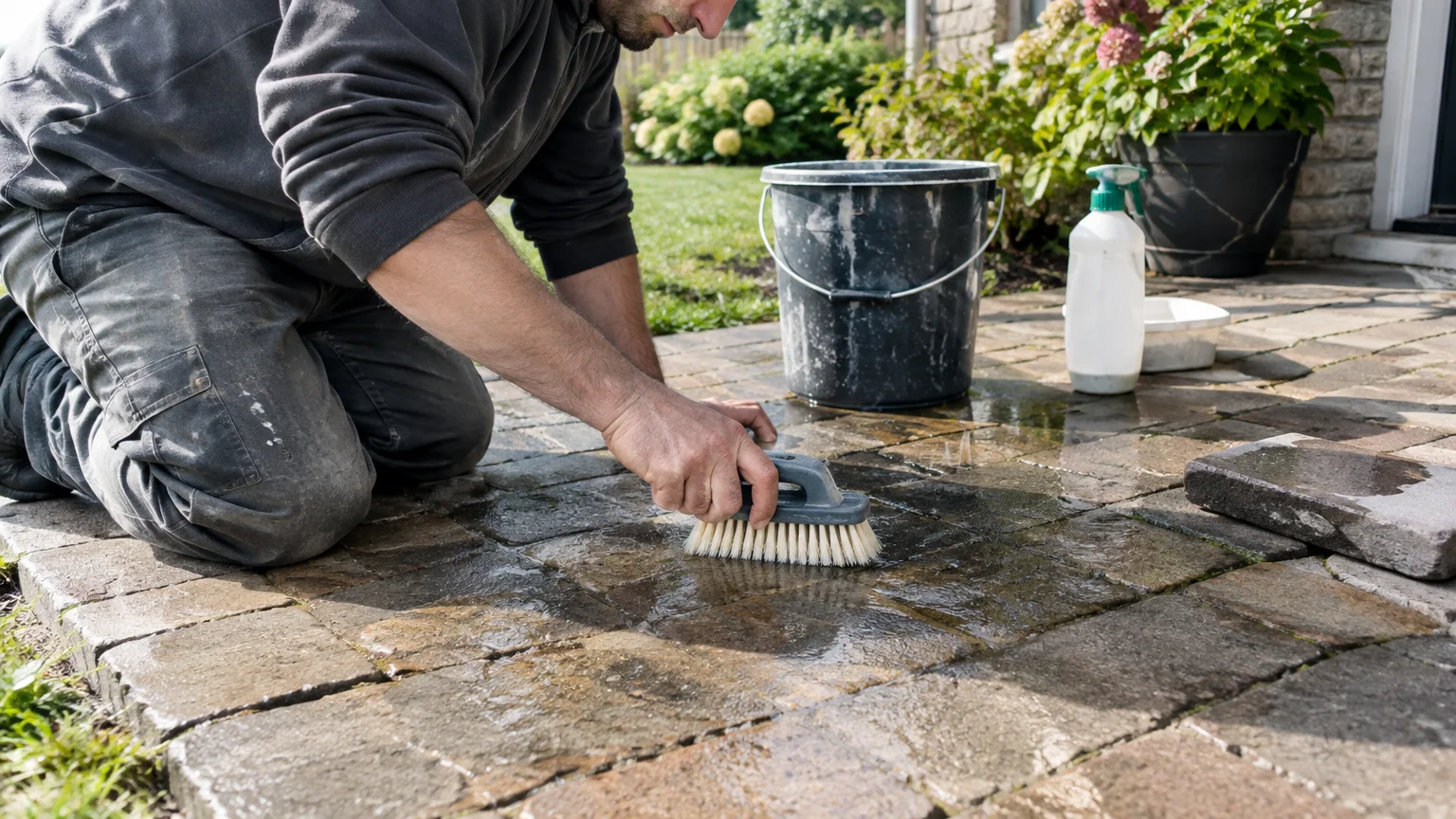
Garage floor power washing can remove loose dirt, tire marks, oil residue, and stuck-on grime from concrete. The safest method starts by clearing the garage, choosing a suitable cleaner, and planning water control. It also uses enough pressure to clean without harming the slab, coating, walls, stored items, or electrical equipment.
Table of Contents

- How does garage floor power washing remove oil, tire marks, and grime?
- What should you do before power washing a garage floor?
- Which cleaning methods work best for oil stains on concrete?
- Can pressure washing remove tire marks from a garage floor?
- How do you manage water and runoff inside a garage?
- How often should a garage floor be professionally cleaned?
- What should you look for when choosing garage floor power washing?
How does garage floor power washing remove oil, tire marks, and grime?
Garage floor power washing uses pressurized water, safe cleaners, and scrubbing to loosen dirt from concrete pores. A pressure washer forces water through a small opening at high speed. The right setting can clean deeply without leaving rough marks or removing weak concrete.
Why enclosed concrete slabs need a different cleaning approach
An indoor slab does not always drain like a driveway. Water may collect by the garage door, move toward walls, or reach stored items. A careful plan controls the water before washing starts. It also keeps tools, boxes, furniture, and personal items dry.
Concrete is porous, so oil and dirt can move below the top layer. A quick rinse may remove loose soil but leave dark marks behind. Cleaning concrete flooring often needs low-pressure treatment, gentle scrubbing, and a controlled rinse. Very high pressure is not always the best choice.
The surface condition matters too. New concrete may clean evenly, while old or cracked slabs can shed small pieces. Sealed floors, painted floors, and epoxy coatings need different methods. A professional should test a small spot when the coating or slab condition is unclear.
Which types of buildup can pressure washing address?
Pressure washing can help with many common garage floor problems:
- Loose dust, dirt, and road film tracked in by cars
- Tire marks caused by warm rubber rubbing against concrete
- Oil spots, grease, and fluid residue near parked vehicles
- Mud, salt residue, and damp organic buildup
- Food, drink, and workshop spills that have not soaked in deeply
The result depends on how long the stain has been there. Fresh residue often responds better than an old mark inside the slab. Cleaning may improve a set-in stain without making it vanish. This helps property owners set a fair goal for the work.
Pressure Washing Largo helps property owners review a garage slab before cleaning. The same care can help with Driveway Cleaning Services when outdoor concrete has similar stains. Weather, vehicle use, and garage design can all affect the cleaning plan in Largo.
What should you do before power washing a garage floor?
Before power washing, clear the floor, protect nearby items, check the concrete, and plan where water will go. These steps lower the chance of damage and make the work safer. A homeowner can handle basic clearing and light cleaning, but damaged slabs, heavy oil, and poor water control may need professional help.
How to clear, inspect, and protect the garage space
Move cars, tools, boxes, shelves, and loose items away from the cleaning area. Lift cardboard and fabric items from the floor, even when they seem far away. Water can travel farther than expected on a slab with a slight slope.
Sweep or vacuum loose dirt first. Then check for cracks, spalling, flaking paint, loose sealant, and weak concrete. Spalling means the surface is breaking away in small chips. Pressure can make this damage worse when the nozzle is held too close.
Cover items that cannot be moved. Plastic sheeting may protect walls and storage, but it should not trap water against finished surfaces. Keep garage door tracks, outlets, appliances, and power tools away from spray. A professional may suggest moving more items after checking the space.
What safety concerns should you check first?
Water and electricity create a serious risk. Unplug tools, move extension cords, and protect outlets from spray. Never direct water toward a panel, outlet, furnace, water heater, or other electrical equipment. Good airflow also matters when cleaners are used inside a garage.
Wear eye protection, gloves, and shoes with firm soles. Keep children and pets away from the work area. Do not mix cleaning products. Some cleaners can create harmful fumes or react when mixed with another product.
A homeowner does not need a professional for sweeping, moving light items, or cleaning a small fresh spill. Professional help is wise when the slab is badly cracked, the coating is peeling, oil has spread widely, or runoff could enter the home. The same care applies before Concrete Cleaning Services are used on larger areas.
Which cleaning methods work best for oil stains on concrete?
Oil stains often respond best to a degreaser, wait time, light scrubbing, and a controlled rinse. A degreaser is a cleaner made to break down oily residue. Pressure alone may spread oil instead of removing what has soaked into the concrete.
When to use degreasers and stain treatments
Blot fresh oil when possible. Absorbent material can lift some liquid before cleaner is added. Rubbing the spill may spread it across a larger area. After loose oil is removed, apply a concrete-safe degreaser as the label directs.
The cleaner needs time to work. This time is called dwell time. It lets the product loosen the stain before rinsing. Keep the floor damp during this step, but do not let puddles move toward walls or stored goods.
A stiff nylon brush or floor scrubber can help lift residue. Metal brushes may scratch some coatings or leave pieces behind. The method should match the floor. Painted and epoxy surfaces need products that will not dull, soften, or strip the finish.
Why set-in oil may require more than one treatment
Old oil can move deep into porous concrete. One cleaning pass may remove the top film but leave a dark shadow below. Another treatment may improve the mark, but it cannot always return the slab to its first color.
A strong chemical is not always a better choice. Harsh products can harm coatings, nearby metal, outdoor plants, or indoor air quality. A trained technician can identify the stain and test a cleaner in a small area first.
A homeowner may treat a small, fresh spot by following the product label. Professional service is better for large stains, unknown fluids, strong odors, or floors treated with many products. Pressure Washing Largo can help Largo homeowners decide whether the slab needs simple cleaning, stain treatment, or a careful surface plan.
Can pressure washing remove tire marks from a garage floor?
Pressure washing can remove many tire marks, especially when they sit on the surface. Warm tires may leave rubber behind when a vehicle turns sharply or stays in one place. Rubber can bond with dust, oil, and rough concrete, making the mark harder to clean.
How rubber transfer marks form on concrete
Tire marks often appear near parking spaces, garage doors, and turning points. Heavy vehicles and repeated steering can create more transfer. Smooth, sealed floors may show marks clearly, while rough concrete can trap rubber in small pores.
First, remove loose dirt. A cleaner can soften the film before a brush or surface cleaner agitates it. A surface cleaner is an attachment with a covered spinning spray bar. It spreads water more evenly than a narrow wand and may reduce streaks on suitable concrete.
Keep the nozzle moving. Holding a high-pressure stream in one place can etch concrete or strip a coating. Begin with a hidden test area. If the mark changes but does not vanish, more pressure may not fix the deeper stain.
When surface cleaning should be combined with agitation
Surface cleaning works well across broad areas of even concrete. A brush or spot treatment may still be needed around cracks, edges, joints, and heavy marks. Expansion joints are planned gaps that help concrete handle movement as temperatures change.
Rinse the floor in one controlled direction. This keeps dirty water from moving back across clean areas. Collect leftover rubber or grease instead of pushing it toward a drain that cannot handle the flow.
Garage floor power washing works best when the cleaner, pressure, and scrubbing match the slab. It is not a race to use the strongest setting. Good work protects the concrete while removing as much residue as the surface can safely release.
How do you manage water and runoff inside a garage?
Water management is a key part of cleaning an enclosed slab. Before washing, check the floor slope, door threshold, drains, low spots, and nearby rooms. The goal is to contain dirty water and stop it from entering the home or reaching unsafe equipment.
Drainage options for enclosed slabs
Some garages have floor drains, trench drains, or a slope toward the door. Others have no useful drain. Never assume a drain can accept oily water or large amounts of sediment. Local rules may also affect how wastewater must be handled.
Water can be guided with a squeegee, absorbent barriers, wet vacuum, pump, or collection system. The right choice depends on the slab and amount of water. A small spot may need careful wiping, while a full garage may need planned recovery.
Do not send oil, grease, or chemical residue into a storm drain. Storm drains may lead to waterways without treatment. When water cannot be released safely, a professional can use less water or collect the runoff.
How to protect walls, stored items, and nearby surfaces
Water barriers can protect door thresholds and wall edges. Move stored items well away from the cleaning zone. Plastic covers can help, but they do not replace distance and careful spray control.
Check the garage door before work begins. Water can collect under the door or run onto the driveway. Outdoor areas may need protection from dirty runoff. This matters even more when the garage connects to a finished room or shared property space.
A professional may use a pressure washer with controlled flow, a wet vacuum, or a recovery plan. Homeowners should stop work if water reaches electrical equipment, walls, or living areas. Parking Lot Cleaning Services and other outdoor work also need runoff planning, but an enclosed garage gives water fewer safe paths.
How often should a garage floor be professionally cleaned?
There is no single schedule for every garage. Cleaning depends on car traffic, workshop use, spills, moisture, pets, weather, and concrete condition. Light-use garages may need occasional deep cleaning, while active work areas may need care when buildup affects safety or appearance.
Signs that routine cleaning is overdue
A garage floor may need cleaning when it feels slick, smells of oil, shows dark tracks, or has dirt that sweeping cannot remove. Address new stains early when possible. Long exposure gives oil and grime more time to enter concrete.
Other signs include dark water moving toward the door, tire marks in driving lanes, and buildup around workbenches. A dull or uneven look may also point to old cleaner residue. Check the cause before applying another product.
Cleaning should not hide a repair problem. Cracks, settling, loose coatings, and standing water may need separate care. Washing does not repair structural damage, but it can make these issues easier to see.
How garage use and concrete condition affect timing
A garage used for repairs, woodworking, gardening, or vehicle storage usually gathers more residue. Mud, road salt, and wet weather can also bring in more soil. Coated floors may need gentler cleaning to protect the finish.
Routine sweeping and quick spill cleanup can reduce the need for deep washing. A homeowner can safely use a broom, absorbent material, and a suitable cleaner for small messes. Professional cleaning is more useful when the area is large, the stain is old, or runoff control is hard.
Pressure Washing Largo serves property owners in the main Largo area, including Downtown Largo and nearby communities. For a garage in Largo, the right timing may differ from a patio or driveway. Patio Cleaning Services can address outdoor slabs, while an indoor floor needs closer water control.
What should you look for when choosing garage floor power washing?
A good provider should explain how the concrete, coating, stains, and runoff will be handled before work starts. The lowest pressure or strongest chemical is not always best. A careful plan should protect the slab and nearby property.
Questions about equipment, cleaning solutions, and runoff control
Ask whether the provider will test a small area first. Ask which cleaner fits the floor coating, how water will be contained, and how electrical equipment will be protected. Clear answers show that the provider understands enclosed surfaces.
Useful questions include:
- Will the slab be checked for cracks, spalling, paint, or epoxy?
- Will the method match the concrete or coating?
- How will dirty water stay away from walls and stored items?
- What happens if oil remains after the first treatment?
- Will the garage door, outlets, and nearby equipment be protected?
A provider should not promise that every stain will disappear. Concrete varies from slab to slab. An honest explanation of likely results is more helpful than a promise that ignores surface condition.
How to prepare for a professional garage floor cleaning
Move vehicles and loose items before the appointment. Remove boxes, rugs, tools, and chemicals from the floor. Point out stains, cracks, drains, low spots, and areas that must stay dry. If the garage connects to the home, identify the door or threshold needing extra protection.
Also mention past treatments. Bleach, degreasers, sealers, and paint can change how the slab reacts to water. Sharing this information helps the technician choose a safer approach.
Professional cleaning may be the better choice when a garage floor has heavy oil, set-in grime, damaged concrete, or poor drainage. Pressure Washing Largo works with homeowners and property owners who need a practical plan for enclosed concrete surfaces.
Key takeaways
- Garage floors need special planning because water has limited escape routes.
- Degreasers, dwell time, and light scrubbing often work better than pressure alone.
- Tire marks may need both a surface cleaner and spot scrubbing.
- Cracks, coatings, outlets, stored items, and runoff should be checked first.
- Homeowners can handle light upkeep, while heavy stains and drainage risks may need professional help.
Frequently Asked Questions
Can a homeowner power wash a garage floor?
Yes, a homeowner can clean a small area when the slab is sound and water can be controlled. Basic work includes sweeping, treating a fresh spill, and using a concrete-safe cleaner. Professional help is safer for heavy oil, damaged concrete, coatings, electrical risks, or runoff that could enter the home.
What cleaner should be used on an oily concrete garage floor?
A concrete-safe degreaser is often a good starting point. The product should match the slab or coating, and the label directions should be followed. Stronger is not always better. A small test area can show whether the cleaner dulls, softens, or changes the surface.
Can pressure washing damage a garage floor?
Yes, too much pressure or a nozzle held too close can etch weak concrete, remove coating, or leave streaks. Damage is more likely on cracked, flaking, or soft slabs. A moving spray, suitable cleaner, and test area help lower the risk during garage floor power washing.
Why do oil stains remain after cleaning?
Oil can soak into concrete pores, especially when the stain is old. The first cleaning may remove surface residue but leave darker material below. Another treatment may improve the look, but some set-in stains cannot be fully removed without changing the concrete surface.
How can dirty water be kept out of the house?
Before washing, identify the slope, threshold, drains, and low spots. Barriers, squeegees, wet vacuums, pumps, or low-water methods can help contain runoff. Keep electrical equipment and stored items away from spray, and never send oily water into a storm drain.
Conclusion
A clean garage floor starts with more than a powerful spray. The best results come from checking the slab, choosing the right cleaner, treating stains with care, and managing water from start to finish. Homeowners can handle simple upkeep, while difficult stains and drainage risks deserve a careful professional plan.
If you are unsure what you are dealing with, Contact us today to discuss the garage floor and arrange the next step with Pressure Washing Largo.
If you are not sure what you are dealing with, it is worth having someone look at it before it turns into a bigger job. Get in touch with Pressure Washing Largo today and we will tell you where you stand.