Algae and mildew love shaded, damp siding—especially after Largo’s rainy spells—so the simple answer to how often should you soft wash a house is usually every 12–24 months. In Largo’s humid, coastal climate, many homes see the best results with an annual soft wash, while drier or sunnier exposures can often stretch to two years or more. This guide explains what soft washing is, why it protects your paint and stucco, and how to set a schedule that fits your property and our Gulf Coast weather.
Key Takeaways
- Typical cadence: soft wash every 12–24 months; annual in humid coastal zones like Largo.
- Shade, trees, irrigation overspray, and pollen speed up algae and mildew.
- Match chemistry and low pressure to your siding type to avoid damage.
- Plan service for mild weather; spring and fall in Largo are dependable windows.
- Maintenance rinses and gutter care help extend time between washes.
1. Soft washing 101: what it is and how often to do it
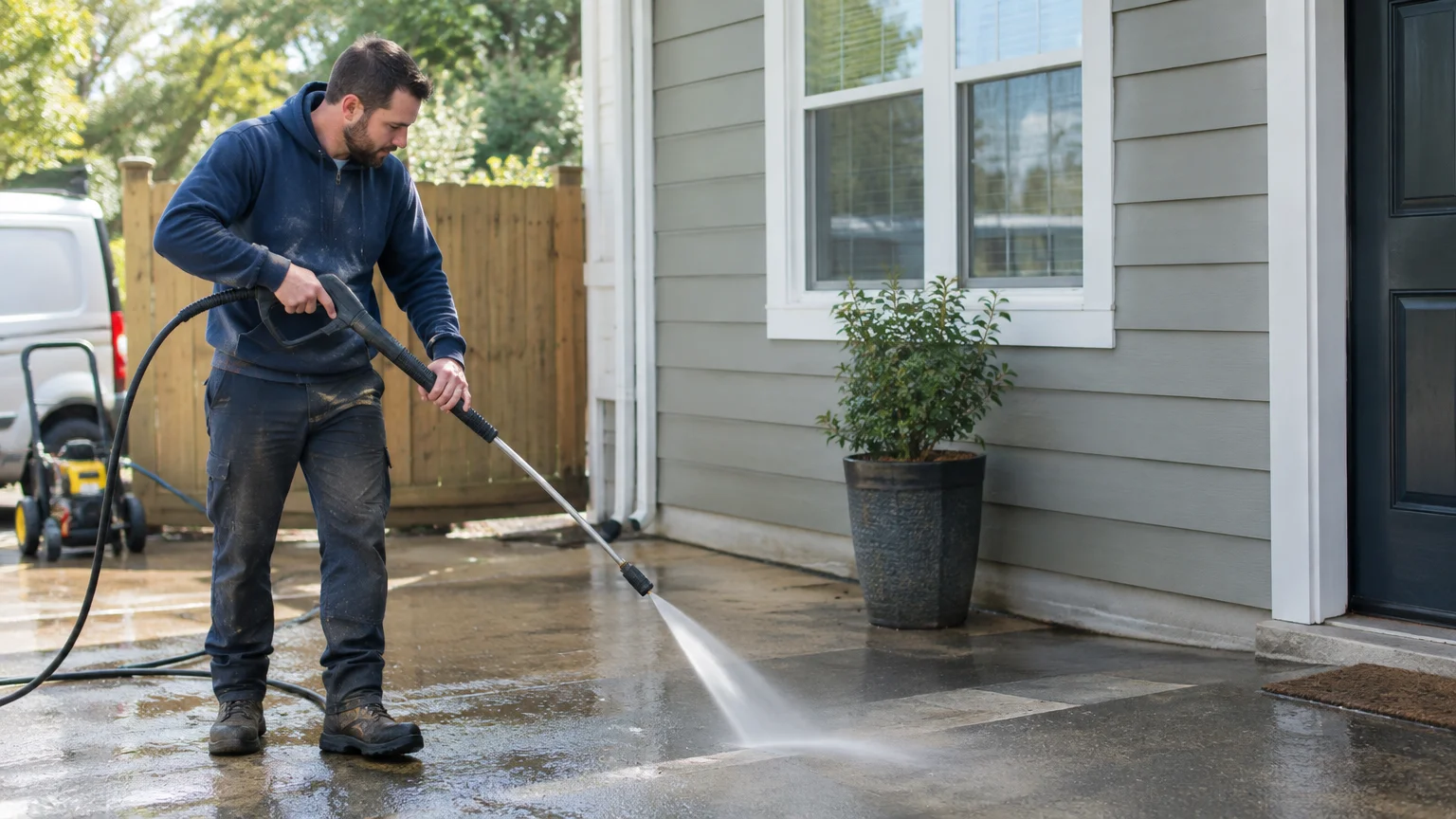
Soft washing is a low-pressure exterior cleaning method that uses siding-safe detergents to loosen dirt, algae, and mildew before a gentle rinse. Unlike high-pressure methods, it protects paint, caulk, stucco finishes, and delicate trims while still delivering a thorough clean. If you’re wondering what is soft washing compared with pressure washing, think chemistry-first cleaning at controlled, low PSI rather than blasting.
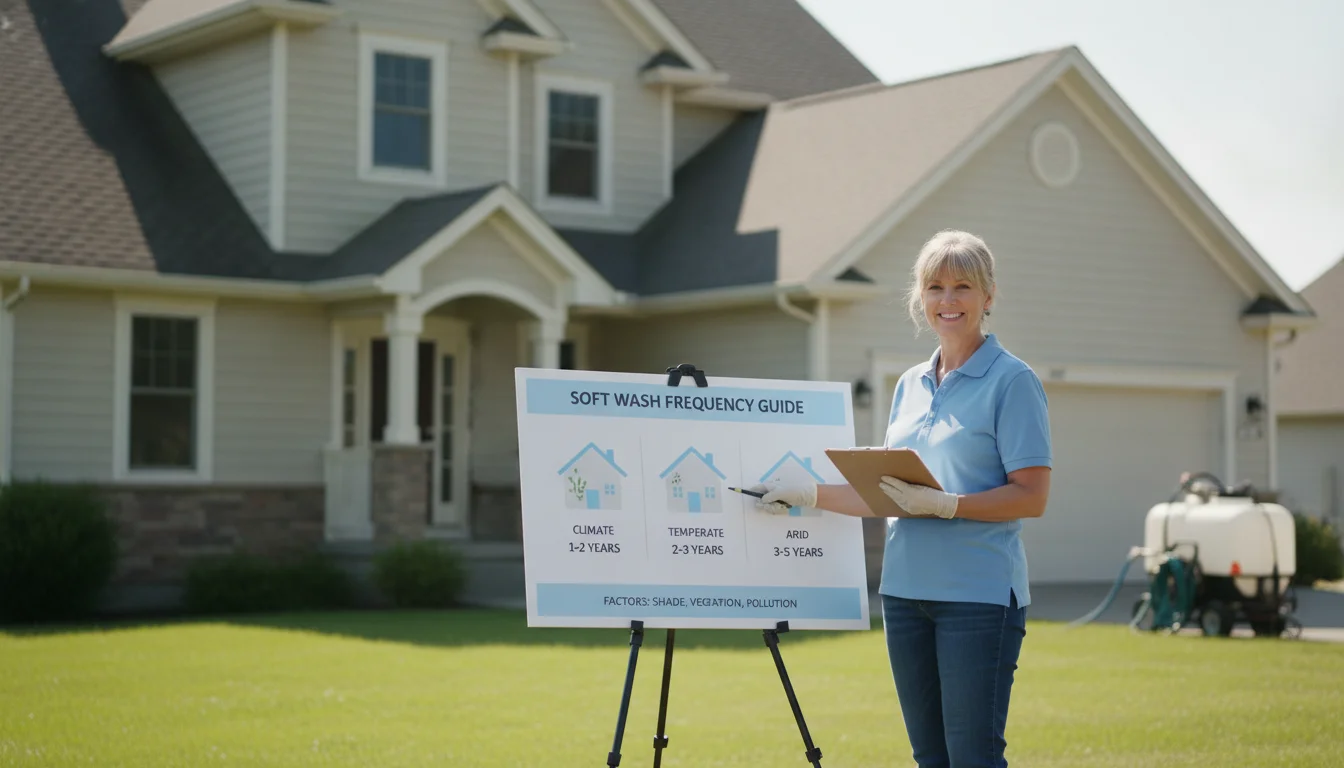
A practical rule of thumb is to schedule a soft wash every 12–24 months, then fine-tune based on climate, shade, and material. In Largo’s subtropical setting—shaped by Gulf moisture and summer storms—annual service keeps growth in check, helps paint and coatings last longer, keeps brick and mortar looking uniform, and preserves stucco texture without etching. Learn more about our process on /soft-washing or explore broader options at /house-washing.
2. Factors that determine your ideal soft-wash schedule
Climate and seasons matter. Largo and greater Pinellas County average frequent summer rains and high humidity, which speed up algae regrowth. Coastal salt spray and sea breeze can also leave a fine film that benefits from more regular rinsing. In contrast, extended dry, sunny periods often allow a longer interval between cleanings.
Sun, shade, and airflow around the home are key. North-facing walls, dense trees, tight fence lines, and narrow side yards dry slowly. These pockets trap moisture and feed organic growth, while breezy, sunny exposures stay cleaner longer.
Local vegetation and debris play a role. Oak and pine pollen, leaf litter, and sap accumulate along drip lines under gutters and eaves. Keeping gutters clear and trimming branches above siding will slow the return of mildew and help you go longer between washes.
Exterior materials respond differently. Vinyl and fiber cement generally tolerate routine soft washing well. Textured stucco and painted wood benefit from careful detergent selection and lower pressure to prevent raised grain or premature paint wear. Brick and mortar clean up well with gentle chemistry that won’t pit surfaces.
Previous coatings and warranties can guide timing. Many paint and siding manufacturers recommend periodic gentle cleaning to keep coverage valid. Check the care instructions for your specific products before scheduling.
Household habits and local rules also count. Irrigation overspray keeps walls damp and speeds growth. Some HOAs and local water-use guidelines specify acceptable exterior cleaning methods and times. If you’re budgeting maintenance, remember that pressure washing costs vary by home size, soil level, and access, and planning a steady soft-wash schedule can help you manage upkeep efficiently over time.
3. Signs it’s time: a homeowner’s visual checklist
- Algae, mildew, or black streaks appearing on shaded walls or under soffits
- Dull color, chalky film, or patchy appearance that won’t rinse off with a garden hose
- Musty odors near siding and fast-returning spider webs on eaves
- Slippery steps, walkways, or decks around the home after rain
- Before listing your home or following major storms that leave residue
4. Plan your cleaning calendar safely
The best windows are mild, dry days in spring or fall across much of Florida, and Largo is no exception. Avoid hard freezes, gusty afternoons, and the hottest part of summer days when detergents can dry too fast. Around hurricane season (June–November), consider planning either ahead of peak storm periods or after major weather passes to remove salt and organic film.
To slow regrowth between washes, reduce moisture. Redirect sprinklers away from siding, prune dense shrubs for airflow, and clear gutters so walls dry quickly. After heavy pollen drops, a quick garden-hose rinse can help prevent buildup.
DIY vs. hiring a pro comes down to safety and equipment. Pros use dedicated low-pressure pumps, siding-safe detergents, and extension tools to reach upper stories without forcing water behind laps or into vents. Misused high pressure can scar surfaces and force leaks, so when in doubt, bring in a trained technician. See how we approach safety and materials on /about-us and explore commercial options at /commercial-pressure-washing if you manage multiple properties.
Protect landscaping and manage runoff with preparation. Pre-wet plants, choose plant-safe detergents, and rinse thoroughly afterward. Cover delicate blooms, divert downspouts away from garden beds, and avoid letting wash water pool near foundations.
Frequently Asked Questions
Is soft washing safe for all siding types?
It’s safe for most common exteriors—vinyl, fiber cement, painted wood, brick, and stucco—when done with the correct low pressure and detergents. Pros adjust chemistry and technique to match the material, preventing etching, raised grain, or loosened paint while removing organic growth.
Can weather change how often you should soft wash a house?
Yes. Rainy, humid periods speed up algae and mildew, shortening the interval. In dry, sunny stretches, results last longer. Plan cleaning ahead of peak pollen or after storm seasons to maximize dwell time, and avoid extremely hot or freezing days for best results and even drying.
What’s the difference between pressure washing and soft washing?
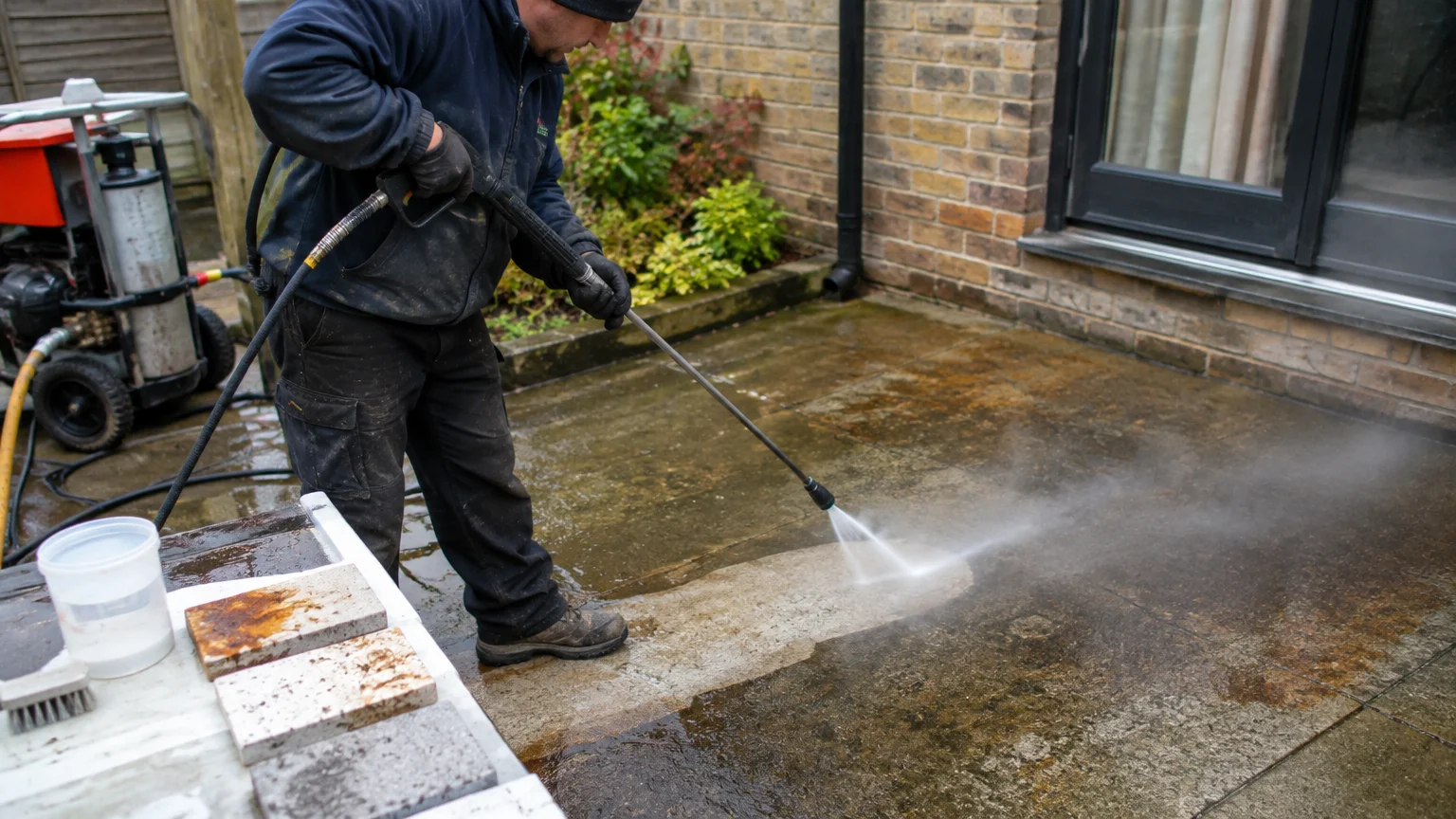
Pressure washing relies on high-pressure water to remove dirt; soft washing uses low pressure plus detergents to break down growth safely. For painted and delicate surfaces, soft washing reduces risk of damage while still delivering a deep clean that lasts longer between maintenance visits.
Key takeaways
- Most homes do well with soft washing every 12–24 months; humid or coastal properties in Largo often benefit from annual service.
- Shade, trees, and irrigation overspray speed up algae and mildew.
- Match detergents and technique to the siding material to avoid damage.
- Simple upkeep—trimming, gutter cleaning, and rinsing—extends results.
Conclusion
Keeping a consistent schedule protects finishes and maintains curb appeal without harsh blasting. If you’re in Largo, Pressure Washing Largo can help you choose the right timing and method for your home. When you’re ready, explore /soft-washing or /house-washing, then Contact us at +1 727 761 8101 or hello@pressurewashinglargo.com to set up a visit. Prefer a quick call? Tap tel:+17277618101. Pressure Washing Largo in Largo is ready to help—visit /contact-us to get started today.