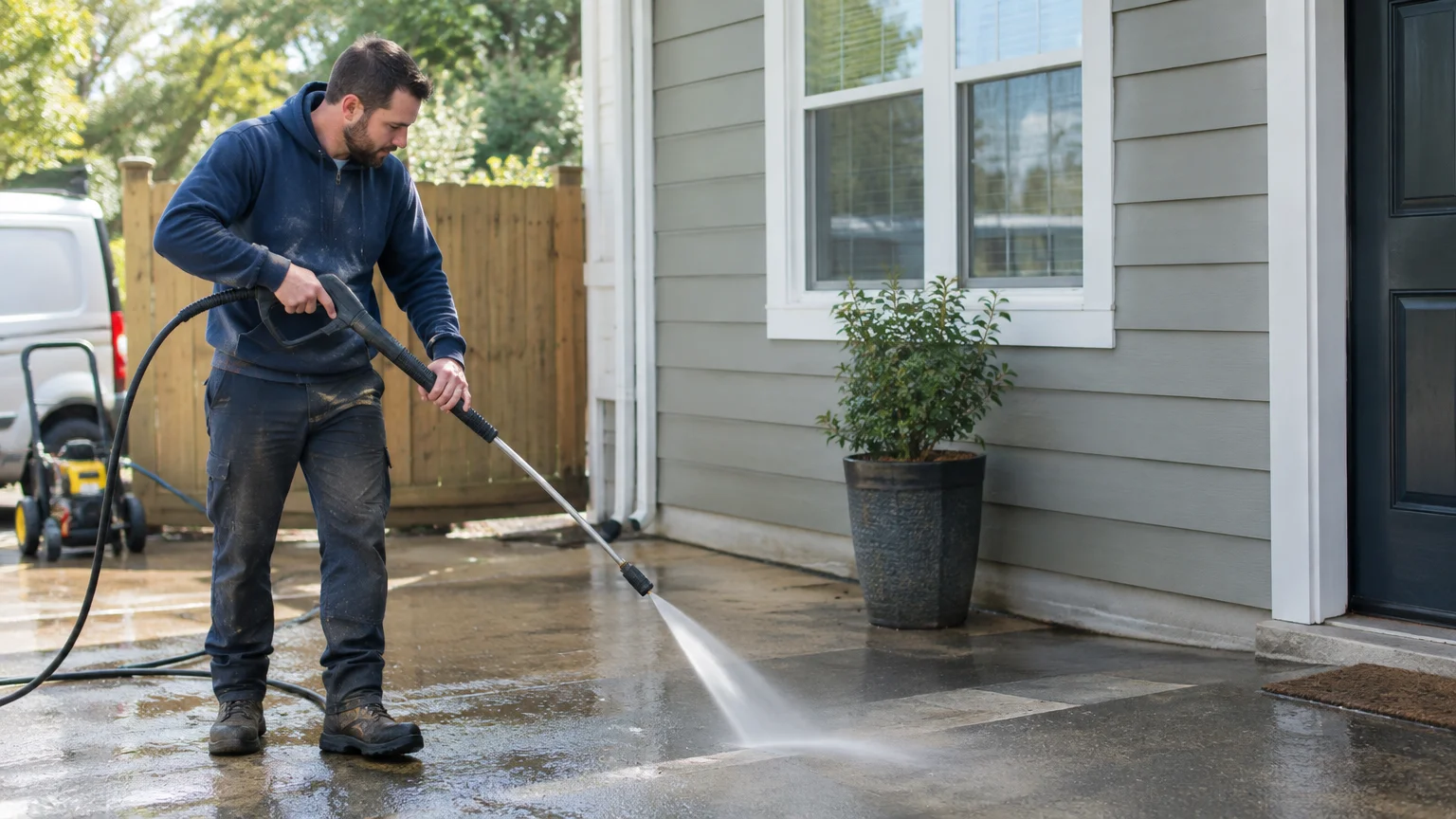
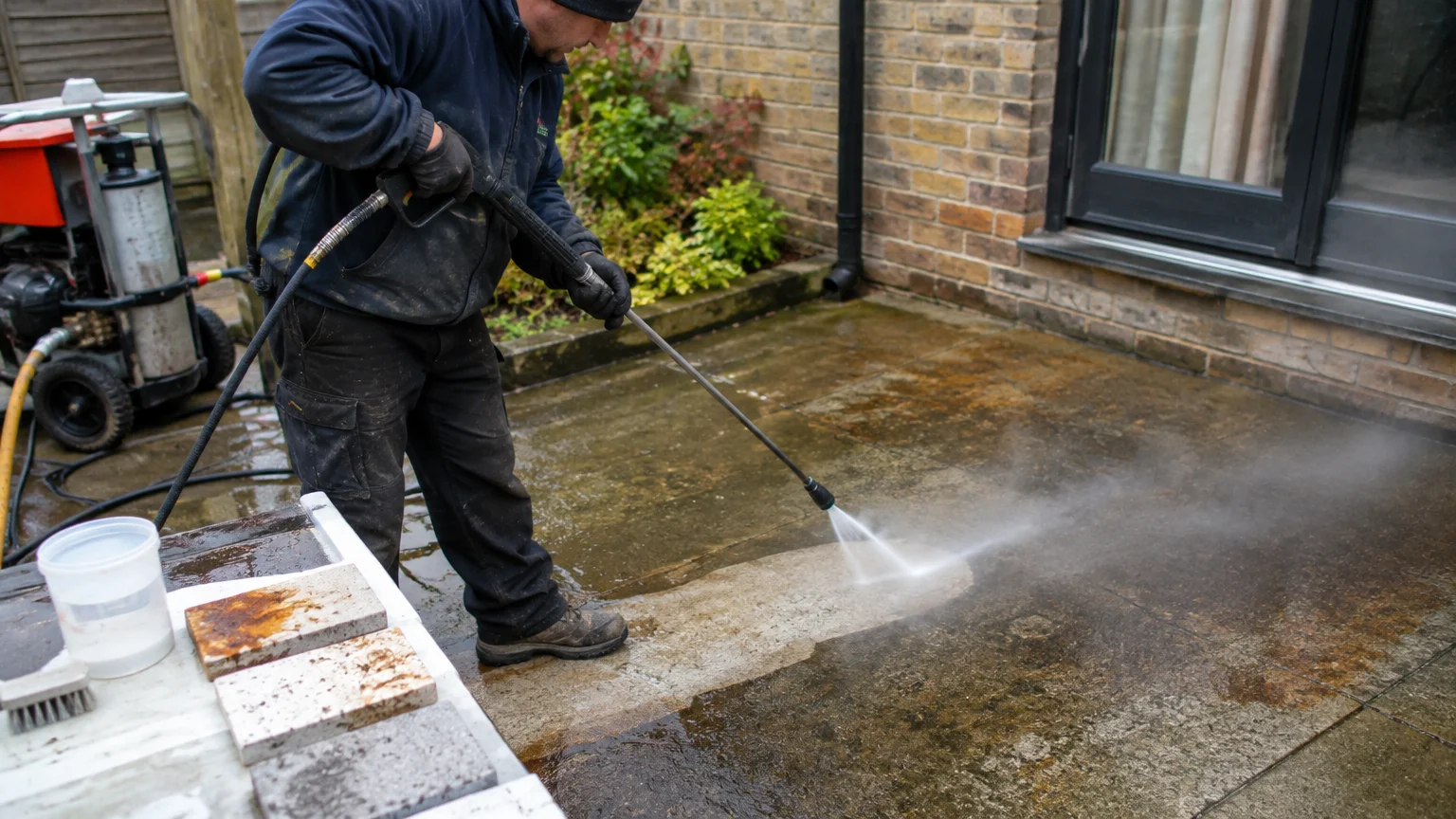
Most homes need exterior washing about once a year, but how often should you pressure wash your house depends on the surface, weather, shade, trees, and dirt. Check each area often and clean it before grime causes stains, slippery spots, or damage. A surface-based plan works best for Largo homes.
A home does not need every surface washed at once. Siding may need gentle cleaning before painting, while a shaded walkway may need care sooner. Pressure Washing Largo helps property owners match each task to the right season and cleaning method.
Table of Contents
- How often should you pressure wash your house?
- How often should you pressure wash siding?
- How often should you pressure wash a driveway and walkway?
- How often should you pressure wash a deck or patio?
- How often should you pressure wash a roof?
- What seasonal pressure washing schedule works best?
- How can you create a repeating exterior cleaning plan?
- Key takeaways
- Frequently Asked Questions
- Conclusion
How often should you pressure wash your house?
Most homeowners should plan a full house wash about once a year. Some homes stay clean longer. Homes near busy roads, tall trees, water, or deep shade may need cleaning sooner. A yearly check helps you choose the right time before grime becomes thick or stains become harder to remove.
Pressure washing uses strong water pressure to clean hard surfaces. Soft washing uses less pressure and a cleaning solution to remove organic growth. Organic growth means mold, mildew, algae, or similar plant growth. The safest method depends on the material, its age, and the type of dirt.
What determines the right cleaning frequency?
Moisture, shade, air pollution, trees, wind, and surface use all affect the schedule. Damp places often collect algae, mold, and mildew faster than sunny areas. A home beside woods may need more care than a home on an open street.
Paint, sealants, and surface age also matter. Older siding, open wood grain, cracked concrete, and worn coatings can hold dirt more easily. Check the exterior after storms and before selling, painting, or hosting outdoor events.
How can you tell when your home needs washing?
Look for green or black growth, gray film, dusty siding, streaks, and dull pavement. A slippery surface is a safety concern near steps, pools, and shaded walkways. Dirt lines around doors, windows, and gutters can also show that washing is due.
You can rinse loose dust from some low surfaces with a garden hose. Professional help is safer for high walls, delicate siding, roofs, electrical areas, and heavy growth. In Largo, rain, humidity, and property layout can change the best cleaning plan.
How often should you pressure wash siding?
Siding often needs cleaning about once a year or when dirt and organic growth become visible. Vinyl, brick, stucco, and wood all need different care. The goal is to remove buildup without pushing water behind siding or stripping paint and protective coatings.
House Washing Services can help when the exterior has wide stains or hard-to-reach areas. The right method may be soft washing instead of high-pressure cleaning. A professional checks the material first, then adjusts pressure, solution, and spray distance.
How do vinyl, brick, stucco, and wood siding differ?
Vinyl siding usually responds well to gentle washing when the spray stays away from seams and vents. Brick can handle cleaning, but old mortar may be weak. Stucco needs low pressure because strong water can open cracks or push water into the wall.
Wood siding needs extra care. Too much pressure can cut the wood, lift paint, and leave lines. You may clean small, low areas with suitable tools, but broad walls and old coatings need careful work. The same rule applies before repainting: the surface must dry fully and remain sound.
What signs mean siding needs attention sooner?
Dark streaks, green patches, chalky film, and dirt beneath windows are common signs. Growth around shaded corners can spread across a wall. Peeling paint and soft wood need a repair check first, since cleaning cannot fix weak materials.
A home may also need washing after nearby construction, a heavy pollen season, or a storm that leaves mud and debris. Regular checks can stop buildup from becoming harder to remove. They also help you spot cracks, loose trim, and blocked drainage early.
How often should you pressure wash a driveway and walkway?
Driveways and walkways often need cleaning once a year. Wet or shaded areas may need closer checks. Heavy traffic, parked vehicles, tree sap, and nearby soil can make concrete look dirty sooner. Clean these areas before growth becomes slippery or stains spread.
Concrete is tough, but it can still be damaged. Holding high pressure too close may leave marks, expose the surface, or harm joint sand. A professional can choose the right pressure and cleaner for concrete, pavers, brick, or another paving material.
How do weather, shade, and traffic affect concrete buildup?
Rain moves dirt into pores and joints. Shade slows drying, which can support algae and mildew. Foot traffic pushes soil into the surface, while vehicles may leave tire marks and fluid stains.
Walkways near sprinklers need closer checks because repeated moisture can leave mineral marks and support growth. A sunny driveway may stay cleaner, but it still collects dust, pollen, and vehicle residue. Inspect these areas after wet weather and before outdoor gatherings.
When should oil stains, algae, or weeds be addressed?
Oil and other vehicle stains should be handled soon. Fresh marks are often easier to clean than old stains. Address algae when the surface feels slick or shows green or dark patches.
Weeds in joints may point to broken or missing joint material. Pulling a few small weeds can be a safe homeowner task, but repeated growth may need joint repair. Driveway Cleaning Services can help with broad buildup. Do not mix cleaning products or send dirty runoff toward plants and storm drains.
How often should you pressure wash a deck or patio?
A deck or patio often needs cleaning once a year, usually before the main outdoor season. Wood, composite boards, concrete, and pavers all have different limits. Heavy shade, leaves, food spills, and frequent use may require earlier care.
Start with a small test area. Watch for color loss, raised fibers, loose coating, or damage. If the material is old or fragile, professional advice can prevent a cleaning job from causing repairs.
What changes the cleaning schedule for wood and composite surfaces?
Wood can hold moisture and grow mildew beneath leaves or furniture. It may need gentle washing and enough drying time before sealing. Composite boards resist some moisture problems, but dirt can still settle into their texture and joints.
Pool areas need special care because algae can create a slip hazard. Pool Deck Cleaning can remove buildup while protecting the surface when the right method is used. You can sweep leaves, rinse light dirt, and move furniture often. Stubborn stains and large areas may need professional equipment.
How should cleaning fit with staining or sealing?
Cleaning should happen before staining or sealing. The surface needs time to dry, and you should follow the coating maker’s instructions. Applying a coating over damp wood, dirt, or mildew can trap problems and cause early peeling.
Check boards, fasteners, railings, and steps while cleaning. Soft or broken boards need repair first. Deck Cleaning Services may help when the surface has deep grime, old coating, or hard-to-reach areas.
How often should you pressure wash a roof?
A roof should not follow the same schedule as a driveway. Inspect it often and clean it when stains, moss, algae, or debris appear. Use a roof-safe method. High pressure can damage shingles, remove protective granules, and force water beneath roofing materials.
Roof cleaning is often a soft-wash task rather than a pressure-wash task. The method depends on the roof covering, age, slope, weather, and growth. Avoid walking on steep or fragile roofs. Never direct water beneath shingles or flashing.
What roof conditions require a gentler cleaning method?
Asphalt shingles, painted metal, older roofing, and fragile tiles may need low-pressure cleaning. Strong spray can break edges and damage coatings. Moss may have roots that need careful treatment instead of forceful removal.
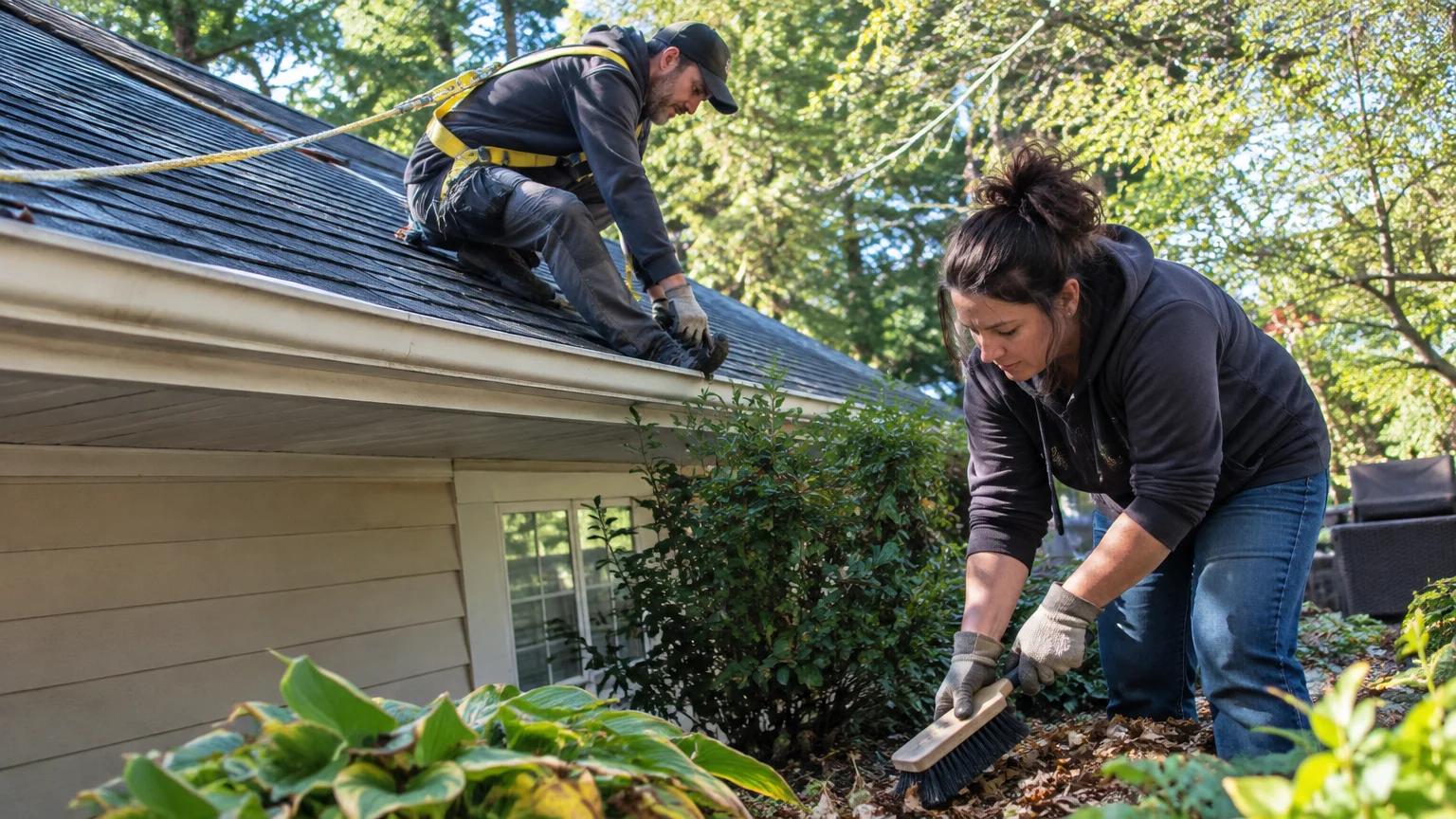
A roof professional can inspect the surface from a safe position and protect gutters, plants, walls, and furniture. You may remove loose leaves from a low, safe area with a soft brush. Climbing and chemical handling can create serious risks.
Which signs indicate roof cleaning is overdue?
Dark streaks, green patches, moss clumps, leaf piles, and blocked roof valleys are warning signs. Growth near gutters can hold moisture against roofing materials. Stains may spread across a sunny roof, even when the rest of the home looks clean.
Roof Cleaning should be planned before growth becomes thick. Cleaning does not replace roof repair. Leaks, missing shingles, sagging areas, or soft decking need a qualified roofing check. Keep the roof in good repair before any washing begins.
What seasonal pressure washing schedule works best?
A simple annual plan places most exterior cleaning in mild, dry weather. Spring is useful for pollen, winter dirt, and organic growth. Summer works well for patios, pool decks, and outdoor spaces. Fall is a good time to clear leaves and inspect drainage.
Winter cleaning depends on local conditions. Freezing weather can create slippery surfaces and stop water from drying safely. Avoid washing when water could freeze on walkways, steps, equipment, or nearby plants.
Which exterior cleaning tasks belong in spring, summer, fall, and winter?
- Spring: Inspect siding, walkways, decks, gutters, and roof areas after winter weather.
- Summer: Clean patios, pool decks, fences, and outdoor living areas before heavy use.
- Fall: Remove leaves, check drainage, and clean surfaces before wet weather increases growth.
- Winter: Do light inspections and safe debris removal when temperatures allow.
This list is a guide, not a fixed rule. A wet, shaded property may need more checks. A dry, open property may need fewer full cleanings. Focus on visible buildup, surface safety, and weather conditions.
How should regional weather and property conditions change the plan?
In Florida, rain, humidity, freeze risk, and tree cover affect timing. Homes in Largo, including areas near Downtown Largo and Harbor Bluffs, may need different plans than homes near Clearwater, Seminole, Belleair, or Pinellas Park. Shade, soil, traffic, and nearby water all change the schedule.
Commercial buildings and rental properties may need more frequent checks because many people use the walkways. Tenants should report leaks, slippery spots, and visible growth to the property owner. Investors and managers can group nearby exterior tasks and keep clear records.
How can you create a repeating exterior cleaning plan?
A repeating plan starts with a surface list and a simple inspection date. Note the last cleaning, current condition, problem areas, and next review. This makes it easier to plan house washing, driveway cleaning, fence care, and roof checks together.
Pressure Washing Largo can help Largo property owners decide which tasks fit a yearly plan and which need closer checks. The business can also help review hard-to-reach areas. A written plan supports safer upkeep and helps stop small problems from becoming larger repairs.
Which surfaces should be inspected and scheduled together?
Group surfaces by place and cleaning method. Siding, brick, and fences may be checked during one exterior review. Driveways, walkways, patios, and pool decks can be reviewed together because they share foot traffic and runoff concerns.
A useful plan may include these steps:
- Walk around the property and note stains, growth, cracks, loose parts, and slippery areas.
- Identify the surface material before choosing pressure, tools, or cleaning products.
- Schedule compatible tasks during safe weather with enough drying time.
- Record the cleaning date and inspect the results after the surface dries.
- Set the next review based on shade, moisture, traffic, and new buildup.
When should homeowners hire a professional pressure washing service?
Professional help makes sense for tall walls, steep roofs, large properties, fragile materials, heavy stains, and unsafe access. It also helps when you are unsure whether to use pressure washing or soft washing. A professional can protect siding seams, plants, windows, outlets, and nearby finishes.
You can safely sweep, rinse light dirt, remove loose leaves, and keep furniture from trapping moisture. Stop when the surface shows damage, the work requires climbing, or cleaning products are unclear. Pressure Washing Largo can help you choose a safe plan for the property.
Key takeaways
- Most homes benefit from a yearly exterior cleaning review.
- Shade, moisture, trees, traffic, and surface age can shorten cleaning times.
- Siding, wood, roofs, concrete, and composite materials need different methods.
- Roofs and delicate surfaces often need soft washing instead of high pressure.
- Regular inspections help plan safe cleaning before buildup becomes severe.
Frequently Asked Questions
Can a homeowner pressure wash the house safely?
A homeowner can handle light rinsing and small, low areas with care. Professional help is safer for tall walls, roofs, fragile siding, heavy growth, and electrical areas. The wrong pressure can damage paint, wood, mortar, or seals. Test a small area and choose the right method first.
What is the difference between pressure washing and soft washing?
Pressure washing removes buildup with stronger water force. Soft washing uses lower pressure and a cleaning solution to treat dirt and organic growth. Soft washing is often better for siding, roofs, stucco, and older surfaces. The safest choice depends on the material and its condition.
Is spring the best time to pressure wash a house?
Spring is often useful because it removes winter dirt, pollen, and new growth. It is not the only good season. Mild, dry weather can work during other months too. The best time allows safe water use, good drying, and no freezing conditions.
How often should a deck be cleaned?
Many decks need cleaning once a year, but shade, leaves, moisture, and foot traffic can change that. Wood needs gentle care, while composite boards still need cleaning in textured areas. Clean before staining or sealing, then allow enough drying time.
Who cleans solar panels near me?
Solar panels should be cleaned according to the maker’s care instructions. You may rinse light dust from safe, reachable panels, but roof access creates fall and equipment risks. A trained exterior cleaning provider can explain whether panel cleaning is suitable and how to avoid surface damage.
Conclusion
The answer to how often should you pressure wash your house depends on the home, surface, and local conditions. A yearly review is a useful starting point, but shaded, damp, busy, or wooded properties may need closer checks. Safe methods matter as much as timing.
Pressure Washing Largo serves property owners and can help organize a practical plan for siding, driveways, patios, decks, and other exterior areas. A clear schedule keeps maintenance easier, safer, and more predictable.
Contact us today to plan the right exterior cleaning schedule with Pressure Washing Largo.