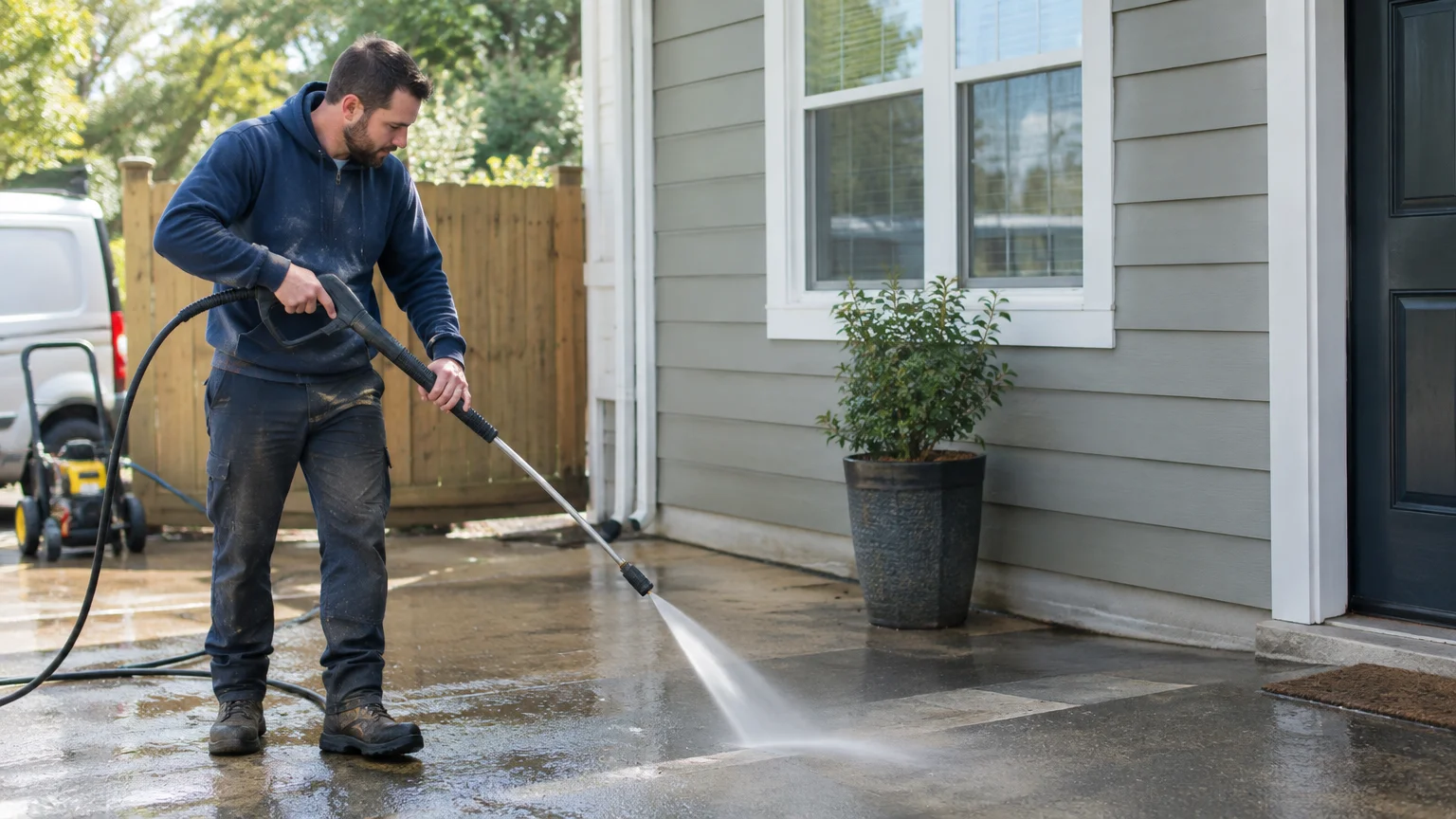
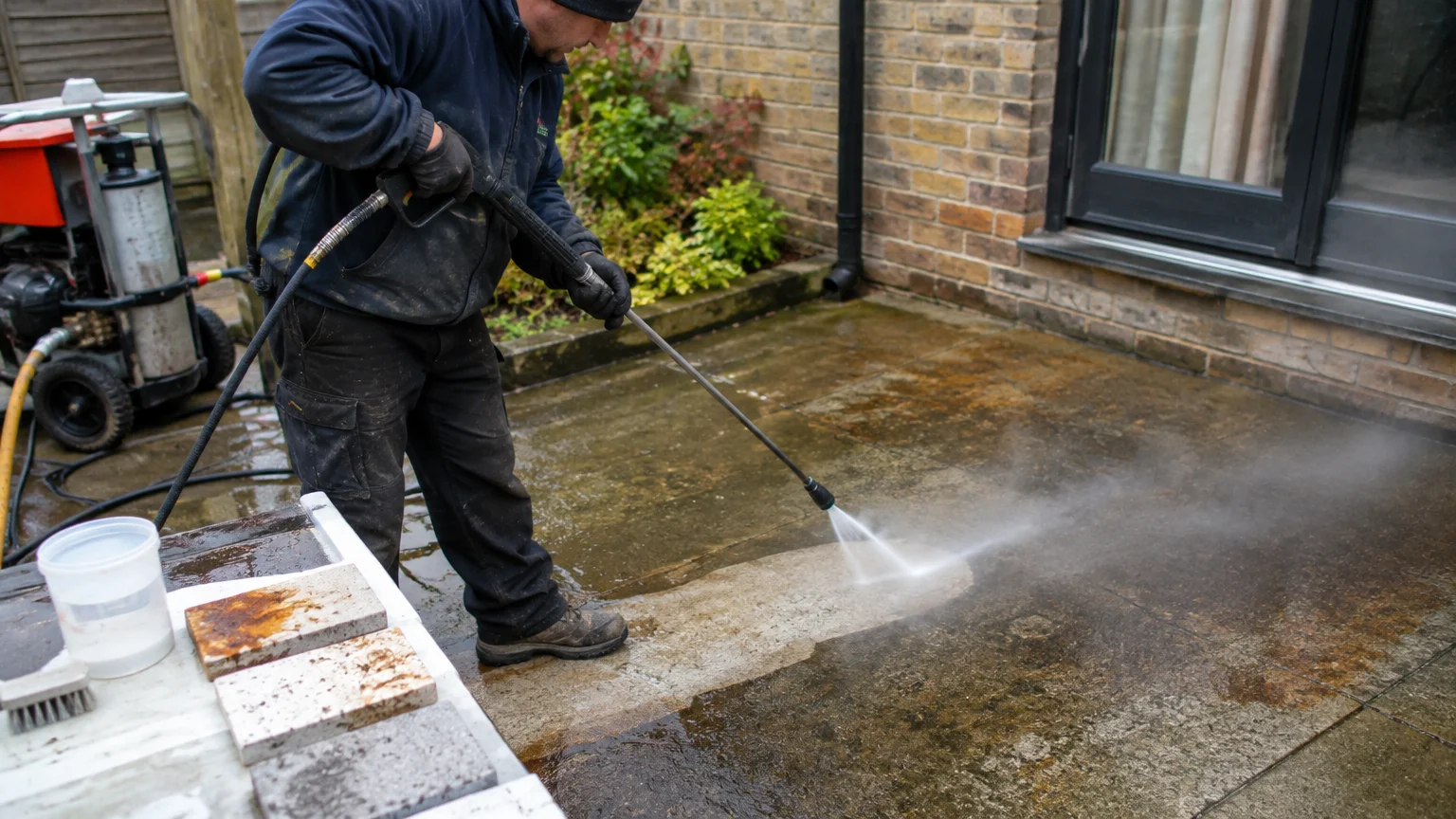
Parking lot pressure washing cleans paved spaces, drive lanes, ramps, curbs, entrances, and nearby concrete. It removes dirt, oil marks, gum, litter, and other buildup. For Largo property owners, a clear cleaning plan can improve the lot’s appearance, support safer walkways, and make regular upkeep easier.
A clean parking area can shape how people view a business. Visitors may see stained pavement before they notice a neat storefront. Employees, tenants, and guests also need clear paths with less loose dirt and slippery buildup.
Parking areas are busy parts of commercial sites. They face rain, traffic, vehicle leaks, food waste, and daily wear. A steady cleaning plan helps property managers handle small issues before they become harder to manage.
Pressure Washing Largo helps property owners understand which areas need care. The right plan may include parking lot cleaning, concrete cleaning, sweeping, stain treatment, and building exterior cleaning.
Table of Contents
- What does commercial parking lot pressure washing include?
- Why should businesses pressure wash their parking areas?
- Can pressure washing remove oil stains from parking lots?
- How are parking garages and drive lanes cleaned?
- How often should a commercial parking lot be pressure washed?
- How is commercial parking lot pressure washing performed safely?
- What should property managers look for in a parking lot cleaning service?
- Frequently Asked Questions
- Key takeaways
- Conclusion
What does commercial parking lot pressure washing include?
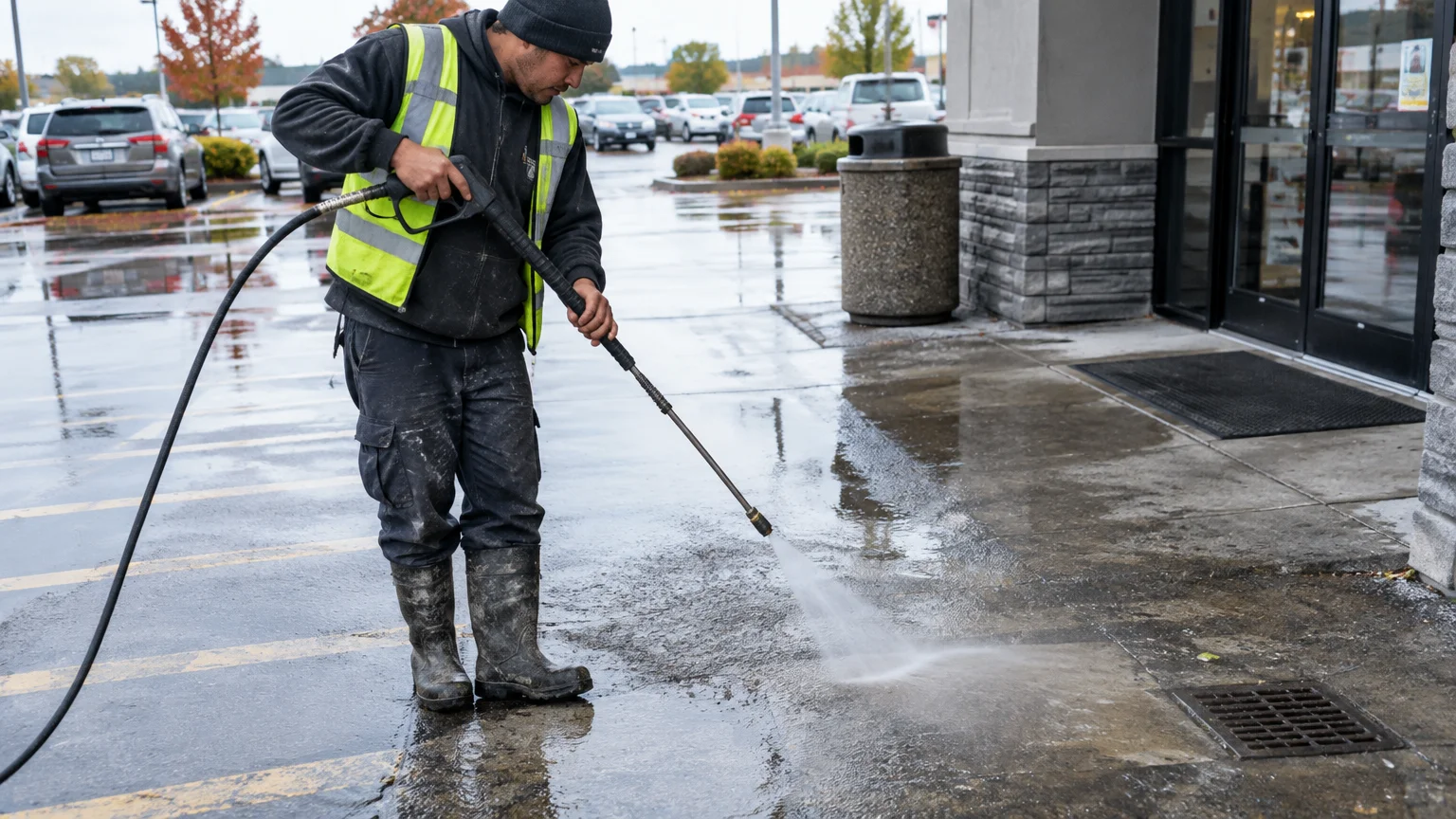
Commercial parking lot pressure washing covers paved parking spaces, drive lanes, curbs, entrances, and nearby concrete. A pressure washer sends a focused stream of water across hard surfaces. The plan depends on the pavement, stains, drainage, traffic, and nearby buildings.
Which areas can be cleaned?
A full service may cover more than the middle of the lot. Common areas include:
- Marked parking spaces and traffic lanes
- Concrete sidewalks, curbs, and wheel stops
- Loading areas and dumpster pads
- Storefront entrances and walkways
- Garage floors, ramps, and stair landings
- Drive-through lanes and service entrances
The crew may begin by removing leaves, trash, and loose soil. It can then treat stuck-on grime before washing the surface. Some lots also need gum removal, rinsing, or detail work around corners and curbs.
Different stains need different methods. Dirt may lift with water and a surface cleaner. Gum may need heat or careful scraping. Grease may need a suitable cleaner and more than one pass. A trained worker checks the pavement before choosing the pressure and tools.
The work may also include concrete cleaning services for sidewalks and loading pads. This creates a more complete plan for the property. It also keeps the crew from cleaning only the most visible section.
Why should businesses pressure wash their parking areas?
Businesses use pressure washing to improve the lot’s appearance and remove slippery buildup. A clean area gives visitors a better first impression. It also helps managers find damage, drainage problems, faded markings, and other repair needs.
How does cleaning affect customers and tenants?
People often form an opinion before entering a store or office. Dark stains, litter, algae, and dirty walkways can make a site seem neglected. Clean pavement creates a more orderly arrival area for customers, staff, tenants, and delivery drivers.
Parking area cleaning can also help keep dirt from being tracked indoors. This matters at restaurants, medical offices, retail stores, apartments, and shared offices. Cleaner entrances may reduce the work placed on indoor staff.
Pressure washing does not repair broken asphalt, deep cracks, poor lighting, or damaged striping. Cleaning can make these problems easier to see, though. Managers can then add repairs to the wider property plan.
Can cleaning support pavement care?
Routine cleaning removes soil, food waste, vehicle fluids, and other surface buildup. It may help keep grime from spreading into walkways and drains. The crew should use methods that fit the pavement and avoid needless damage.
Commercial Pressure Washing can support a larger exterior care plan. Storefront cleaning, concrete cleaning, and building exterior cleaning may help keep the site looking consistent. Pressure washing costs depend on the lot size, surface, stains, access, and work needed. The final cost is confirmed on a quote.
The best schedule also depends on weather, traffic, and how the property is used. A restaurant lot may need care at a different time than an office lot. House washing and soft washing are separate services for homes and delicate building surfaces.
Can pressure washing remove oil stains from parking lots?
Pressure washing can remove or reduce many oil stains, but results vary. Fresh marks are often easier to treat than old stains. Deep marks may soak into porous concrete or asphalt and need more than one treatment.
What happens to oil and vehicle fluids?
The first step is to identify the stain and protect nearby areas. Oil, grease, coolant, and food waste may react in different ways. A technician chooses a method that fits the surface and helps prevent the stain from spreading.
Older marks may need extra work because the material has moved below the surface. One wash may improve the area without making it look new. Property owners should expect many stains to improve, but no cleaning method can promise that every deep mark will disappear.
Runoff must also be managed. Dirty water should not flow freely toward entrances, plants, or sensitive drains. Local rules and site conditions may affect how wastewater is collected or directed.
Parking Lot Cleaning Services may include stain treatment, sweeping, debris removal, and line-area detailing. These tasks work together because a clean lot needs more than a strong spray of water. Loose debris and residue can return when the source is not handled.
How are parking garages and drive lanes cleaned?
Parking garages and drive lanes need a plan for limited space, moving cars, drainage, and people on foot. An open lot allows wider equipment movement and easier drying. A covered garage may need tighter water control, good lighting, ventilation, and careful access planning.
How does the surface change the work?
Garage floors may collect oil, tire dust, dirt, and water marks. Ramps can hold more grime because vehicles brake and turn there. Drive lanes may need focused cleaning near corners, curbs, entrances, and waiting areas.
Technicians inspect expansion joints, drains, painted markings, walls, and nearby doors before work starts. They may use surface cleaners across broad sections and smaller tools along edges. Lower pressure may be needed around coatings, paint, joints, or weak pavement.
How are traffic and drainage handled?
A commercial property may need sections closed in stages. Cones, signs, barriers, and clear messages help guide drivers and walkers around the work. Managers should tell tenants, employees, delivery teams, and customers about the planned work window.
The crew may start with dry sweeping or debris pickup. It can then wash the surface in controlled sections. Drains, slopes, and collection points should be checked before water is used. This helps reduce blocked drains, standing water, and dirty runoff near doors.
Weather matters, too. Rain, wind, and heat can change drying time and water movement. Good scheduling helps the cleaned area return to normal use sooner.
How often should a commercial parking lot be pressure washed?
There is no single schedule for every commercial lot. Cleaning needs depend on traffic, weather, trees, food service, vehicle leaks, pavement type, and how fast dirt returns. A busy restaurant lot may need more frequent care than a lightly used office lot.
What affects the maintenance schedule?
Property managers should consider these conditions:
- Heavy customer or delivery traffic
- Frequent oil, grease, or food waste
- Shade that keeps surfaces damp
- Storms, wind, dust, or nearby construction
- Parking garages with limited airflow
- Tenants with strict appearance standards
- Lots serving medical, retail, or food businesses
Routine checks help managers choose a useful schedule. Walk the property after rain and during busy times. Look for dark stains, slick spots, gum, blocked drains, standing water, and dirt near entrances.
What signs show that cleaning is due?
A lot may need professional cleaning when stains spread or walking areas feel slick. Strong odors, heavy debris, algae, and dirty dumpster pads are also warning signs. More complaints from tenants or visitors may point to a cleaning need.
Some owners plan cleaning before busy seasons or property events. Others schedule it after storms, construction, or heavy use. Pressure Washing Largo can help Largo property managers review site conditions and choose a practical maintenance plan.
How is commercial parking lot pressure washing performed safely?
Safe commercial cleaning starts with a site review. The crew checks pavement, drains, slopes, doors, landscaping, signs, vehicles, and nearby people. It then chooses equipment and pressure settings that clean without causing avoidable damage.
What safety steps matter most?
Important steps may include:
- Marking the work area with cones or barriers
- Keeping pedestrians away from active equipment
- Checking for loose pavement, cracks, and weak coatings
- Protecting doors, walls, plants, and electrical fixtures
- Controlling water near drains and building entrances
- Using cleaners suited to the surface and stain
- Checking the area before reopening it to traffic
More pressure is not always better. Too much force can damage weak concrete, strip paint, move joint sand, or roughen a surface. A trained operator adjusts the tool to the material and cleaning goal.
Water control matters as well. Runoff can carry oil, dirt, and cleaning products across a property. The crew should plan where water will move and follow local requirements. Managers should ask how wastewater will be handled before work begins.
Property owners do not need a professional for every small task. Staff can often pick up litter, sweep loose debris, and report new leaks when safety rules are followed. Professional help is better for large areas, deep stains, drainage concerns, high-pressure tools, and work near moving vehicles.
What should property managers look for in a parking lot cleaning service?
Property managers should choose a service that explains its process and checks the site first. A reliable provider should discuss surface types, stains, access, water control, safety, and timing before work begins.
Which questions should managers ask?
Useful questions include:
- Which areas are included in the cleaning plan?
- How will oil, gum, and old stains be treated?
- Which equipment and pressure settings fit the surface?
- How will traffic and pedestrian access be managed?
- How will runoff and drains be handled?
- Can the work be completed in planned sections?
- What should the property team do before arrival?
Managers should ask for a clear work description. It should explain whether sweeping, stain treatment, curbs, sidewalks, dumpster pads, ramps, or garage floors are included. Clear details help prevent missed areas and confusion later.
How can recurring maintenance be planned?
A recurring plan should match the property’s real use. Managers can track stains, complaints, weather, events, tenant needs, and cleaning results. This record helps them adjust the timing instead of waiting until the lot looks badly neglected.
Local experience can help because surface conditions differ from site to site. Pressure Washing Largo serves Largo and nearby areas, including Downtown Largo and Harbor Bluffs. The team can discuss commercial cleaning needs with owners, tenants, and managers.
The right provider should make the process easy to understand. It should also make scheduling and access simple for the property team.
Frequently Asked Questions
Can a pressure washer clean painted parking lines?
It can clean around painted lines when pressure and tools are controlled. Strong pressure or harsh cleaners may fade, chip, or remove paint. A technician should inspect the markings first and choose a method that protects the striping.
Is pressure washing safe for asphalt parking lots?
It can be safe when the operator adjusts pressure, distance, water flow, and cleaners. Weak areas, cracks, loose edges, and recent repairs need special care. A site review helps show whether washing, sweeping, or a gentler method is best.
How do businesses keep parking lots clean between services?
Staff can remove litter, sweep loose debris, report leaks, and keep dumpster areas orderly. Managers should address vehicle-fluid spills quickly and check drains after storms. These steps do not replace professional cleaning, but they can limit buildup between visits.
Can pressure washing remove gum from a parking lot?
Gum can often be removed with focused cleaning, scraping, heat, or a suitable treatment. The best method depends on the surface and how long the gum has been there. Careful work helps protect concrete, asphalt, paint, and nearby sealants.
Should a business clean its parking lot before pressure washing?
Loose trash, boxes, leaves, and movable items should be removed first. Clear access helps the crew reach more pavement and keeps debris out of drains. The provider may also suggest moving vehicles or closing sections during the work.
Key takeaways
- Parking lot pressure washing cleans spaces, lanes, ramps, curbs, and entrances.
- Oil and grease stains may improve, but deep marks can need extra treatment.
- Garages need careful planning for drainage, airflow, traffic, and pedestrians.
- Cleaning schedules should match traffic, weather, stains, and property use.
- Managers should ask about scope, surface protection, runoff, and access.
Conclusion
A clean parking area supports a better arrival experience and a more orderly property. It can remove dirt, gum, oil marks, and other buildup. It can also help managers see repairs that need attention.
The safest results come from a plan built around the pavement, traffic, drainage, and site schedule. Pressure Washing Largo can help commercial properties review needs for lots, garages, drive lanes, sidewalks, and entrances.
Contact us to plan your next parking area cleaning service.