Pressure washing before winter can clear loose dirt, algae, and leaves before cold, wet weather arrives. Choose a mild, dry stretch so each surface has time to dry. Use a gentle method that suits the material, since strong pressure can harm siding, wood, and mortar. In Largo, check the forecast before you plan the work.
A clean exterior can make seasonal care easier, but each surface needs the right approach. Homeowners and property managers in Largo can use this guide to plan safe cleaning and decide when professional help makes sense. The goal is careful upkeep, not making every surface look new.
Table of Contents

- Why should you pressure wash exterior surfaces before winter?
- When is the best time to pressure wash before winter?
- Which exterior surfaces should you clean before winter?
- How should you prepare each surface for pressure washing?
- Can pressure washing damage exterior surfaces?
- Should you pressure wash before winter yourself or hire a professional?
- What should you do after pressure washing before winter?
- Frequently Asked Questions
Why should you pressure wash exterior surfaces before winter?
Pressure washing can remove loose dirt, algae, and plant debris before winter weather sets in. This makes surfaces easier to check and helps stop grime from sitting through long periods of rain and damp weather. It is regular upkeep, not a repair for cracks, leaks, or other damage.
How dirt, algae, and organic debris affect surfaces
Leaves, soil, and other debris can hold moisture against an outside surface. Algae and mildew can make steps, patios, and paths slippery. Cleaning these spots before winter can make them easier to inspect and care for. It can also reveal places that may need repair before outdoor work becomes harder.
What winter weather can do to existing grime and stains
Rain and melting frost can move loose dirt across concrete and paved areas. Damp leaves may stick to siding, decks, and shaded paths. Washing can remove loose buildup, but it will not stop every stain or surface problem. A deep oil mark on a driveway, for example, may need a cleaner made for oil and concrete.
Cleaning may also help you notice trouble sooner. Once dirt is gone, you may see loose paint, cracked mortar, or a damaged deck board. Check these issues before washing, since water may make a weak spot worse.
Fall weather and shade can affect how fast surfaces dry in Largo. Pressure Washing Largo can help property owners choose a suitable plan for their home or building. Careful upkeep matters more than making every surface look new.
When is the best time to pressure wash before winter?
The best time is a mild, dry period when temperatures stay above freezing and surfaces can dry before night. Check the forecast for rain, frost, and strong wind. A sunny day may not be enough if walls and ground stay damp or freezing weather is near.
How temperature and drying time affect scheduling
Water needs time to drain and dry after washing. Cold air, shade, and damp weather can slow this process. If water freezes on a surface, it may create a slip risk and make existing cracks worse. Wait for safe conditions, and follow the washer and cleaner instructions.
A warm spell in fall may offer a good time to clean, but local weather can change fast. A wall with little sun may stay damp much longer than a sunny driveway. Give extra drying time to shaded spots, thick brick, and surfaces with gaps or joints.
How to plan around rain, frost, and falling leaves
Look beyond the day you plan to wash. Rain soon after cleaning can wet surfaces again, while falling leaves may cover steps and patios. Do not wash when frost is expected or when runoff could make a path slippery.
A simple plan can help:
- Check the near-term forecast for rain and freezing nights.
- Clear leaves and loose debris before setting up the washer.
- Choose a time with enough daylight for cleaning and drying.
- Keep people and pets away from wet paths until they are safe.
There is no single best date for every home near Largo, from Downtown Largo and Harbor Bluffs to Clearwater, Seminole, Belleair, Pinellas Park, and nearby communities. Pick a weather window that suits the surface and the property. If the forecast is uncertain, waiting is safer than rushing to wash before a freeze.
Which exterior surfaces should you clean before winter?
Focus on surfaces with visible dirt, slippery growth, or grime that hides their condition. Common areas include siding, brick, concrete, patios, decks, fences, and walkways. The best method depends on the material, its age, and its current state.
Siding, brick, and other vertical surfaces
Siding can collect dust, pollen, and algae, especially on shaded sides of a home. Clean vinyl siding with care so water does not get behind panels or into openings. A low-pressure wash or soft wash may work better than a strong spray. Soft washing uses a cleaning solution and a low-pressure rinse to remove surface buildup.
Brick and mortar need care too. A strong spray can loosen weak mortar or push water into gaps. Older or damaged brick may need a gentler method and a careful check before cleaning. Fence Cleaning Services may help when a fence has grime or growth, but wood and vinyl need different care.
Driveways, patios, decks, and walkways
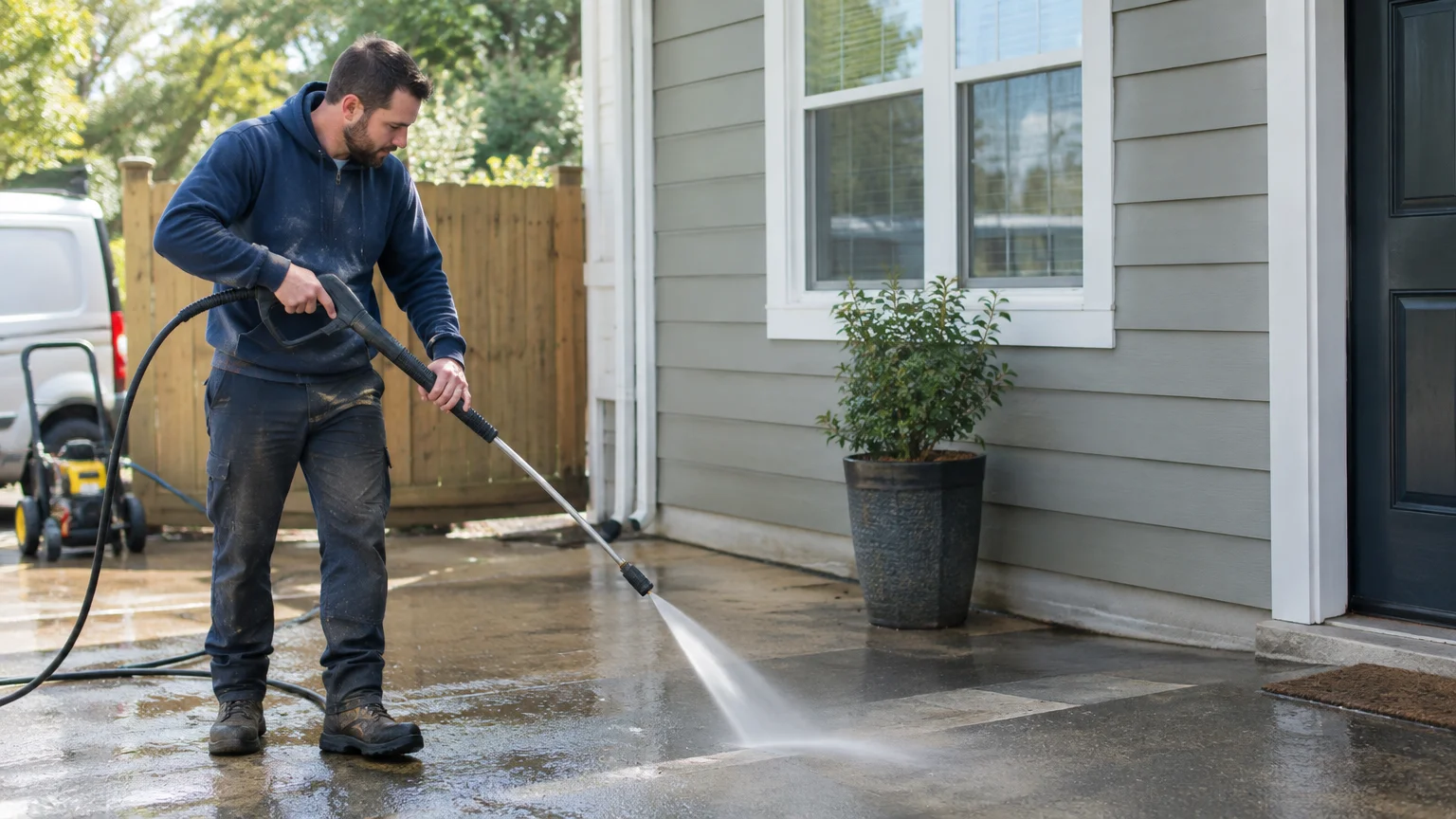
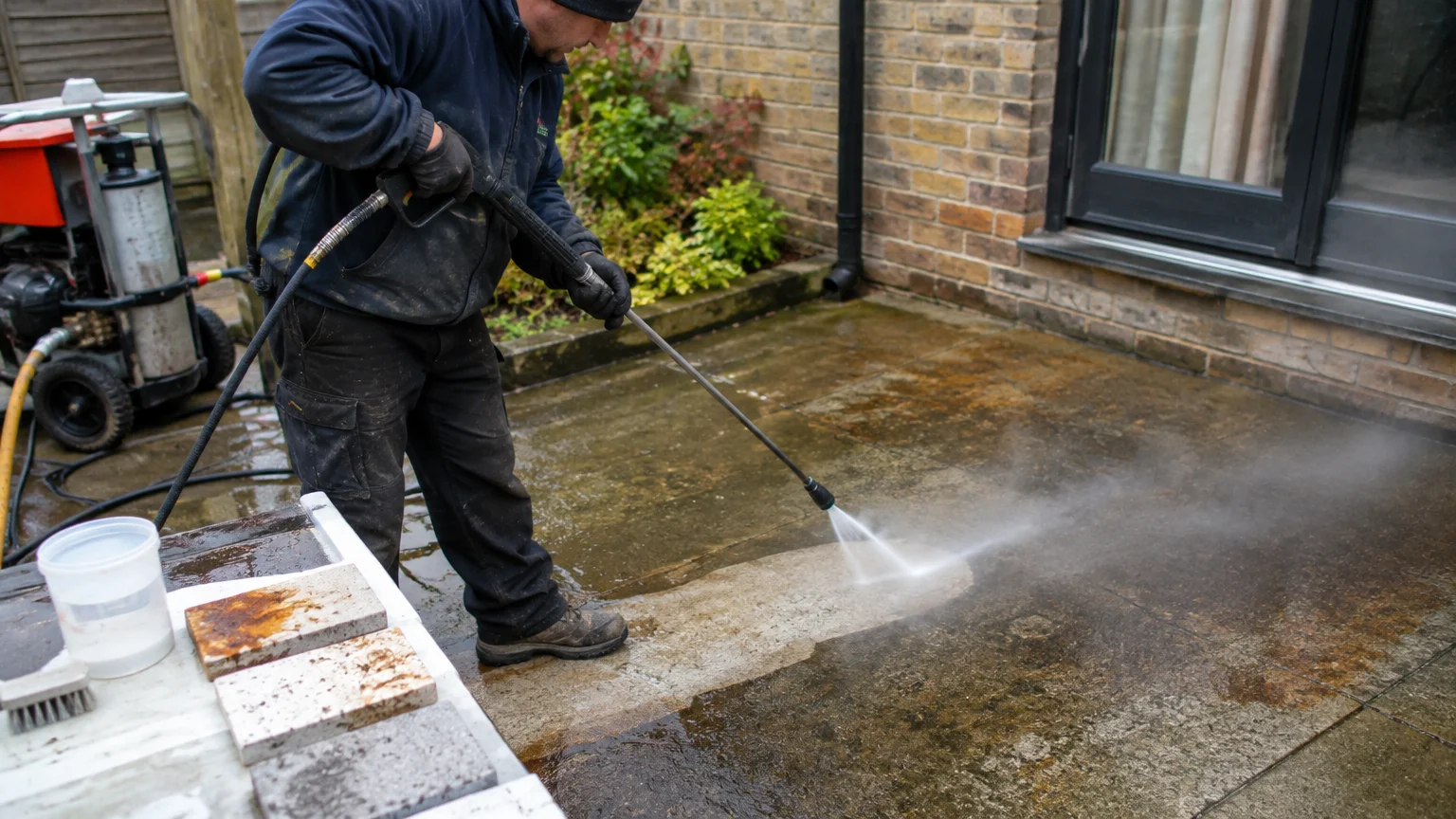
Concrete driveways and patios can hold dirt, leaf marks, and oil stains. Pressure washing may remove loose buildup, but oil may need a suitable cleaner and time to work. Test a hidden spot first. Patio Cleaning and Driveway Cleaning Services may be useful when stains remain or the area is large.
Decks need special attention because strong pressure can splinter wood. Composite decking may also need special care, so check the maker’s instructions. If the instructions allow pressure washing, use a wide spray and keep the nozzle moving.
Walkways and pool decks can become slick when algae grows. Clean the area with care, and check that runoff will not carry dirt toward doors, drains, or planted beds. Do not assume a surface is ready for winter just because it looks clean. Also check for loose boards, cracks, and uneven spots.
How should you prepare each surface for pressure washing?
First, clear the area and check what is safe to wash. Move leaves, toys, furniture, and other loose items. Protect plants and electrical fixtures, close windows, and keep water away from openings. Read the washer and cleaner directions before you begin.
Clear debris and protect nearby plants and fixtures
Sweep away loose dirt and leaves before using water. This helps stop debris from spreading across walls or paths. Move outdoor items when you can. Cover delicate plants if needed, and rinse them with clean water afterward if cleaning solution may reach them.
Check for open windows, damaged seals, vents, outlets, and light fixtures. Water can enter through gaps and cause trouble indoors or near electrical parts. Keep the spray away from these spots. Make sure runoff will not flow onto a public path or another place where it could cause someone to slip.
Choose suitable pressure and cleaning methods for the material
Use the least force that can clean the surface. Start with a wide spray and keep the nozzle moving. Test a hidden spot, then look for fuzzy wood, chipped paint, or marks in concrete. Stop if the surface starts to change or break apart.
Wood, vinyl, brick, and concrete do not all react the same way to water pressure or cleaners. Follow the maker’s care advice when you can. Do not mix cleaning products, and keep people and pets away from wet surfaces and cleaning solutions.
For house washing with vinyl siding, start by thinking about spray direction and low force. Spray in a way that does not push water behind the siding. If siding is loose, cracked, or hard to reach safely, leave the job to a trained cleaner.
Can pressure washing damage exterior surfaces?
Yes. A strong or poorly aimed spray can damage siding, strip paint, roughen wood, harm mortar, or mark concrete. The risk is higher when a surface is old, loose, cracked, or worn. Choose a gentler method when you are unsure about its condition.
Common risks for siding, wood, masonry, and concrete
Water can get behind siding or enter gaps around windows if you spray the wrong way. Too much pressure can cut grooves in wood and lift soft fibers. On brick, it may weaken mortar or push water into cracks. Concrete may show streaks or marks if the spray is too strong or held too close.
Pressure can also move dirt and water into places that are hard to dry. A wide spray, steady movement, and safe distance can help lower the risk. A pressure washer is not the right tool for every stain. Oil on concrete, for example, may need a cleaner made for that stain before a gentle rinse.
How to recognize when a surface needs a gentler approach
Take extra care if paint is peeling, wood feels soft, mortar is missing, or siding is loose. Do not pressure wash an area with an active leak or open cracks. Testing a small spot may show how the surface reacts, but it cannot make a damaged surface safe to wash.
Stop if the surface changes while you clean. Fuzzy wood, chipped paint, water entering gaps, or loose material are signs to stop and check again. Soft washing or hand cleaning may work better. If damage covers a large area or the spot is high up, ask a professional to check it first.
Should you pressure wash before winter yourself or hire a professional?
A homeowner can do simple upkeep when the surface is in good shape and easy to reach. Sweeping, rinsing small areas, and cleaning a low, sturdy patio may be safe tasks. Hire a professional when surfaces are fragile, access is hard, or safe cleaning calls for special tools or skill.
When a homeowner may be able to handle the work
Do-it-yourself cleaning may suit a small, level area with light dirt and no signs of damage. Read the washer instructions, wear eye protection and sturdy shoes, and point the spray away from people, pets, and openings. Do not stand on a ladder while holding a pressure washer. The spray can throw you off balance.
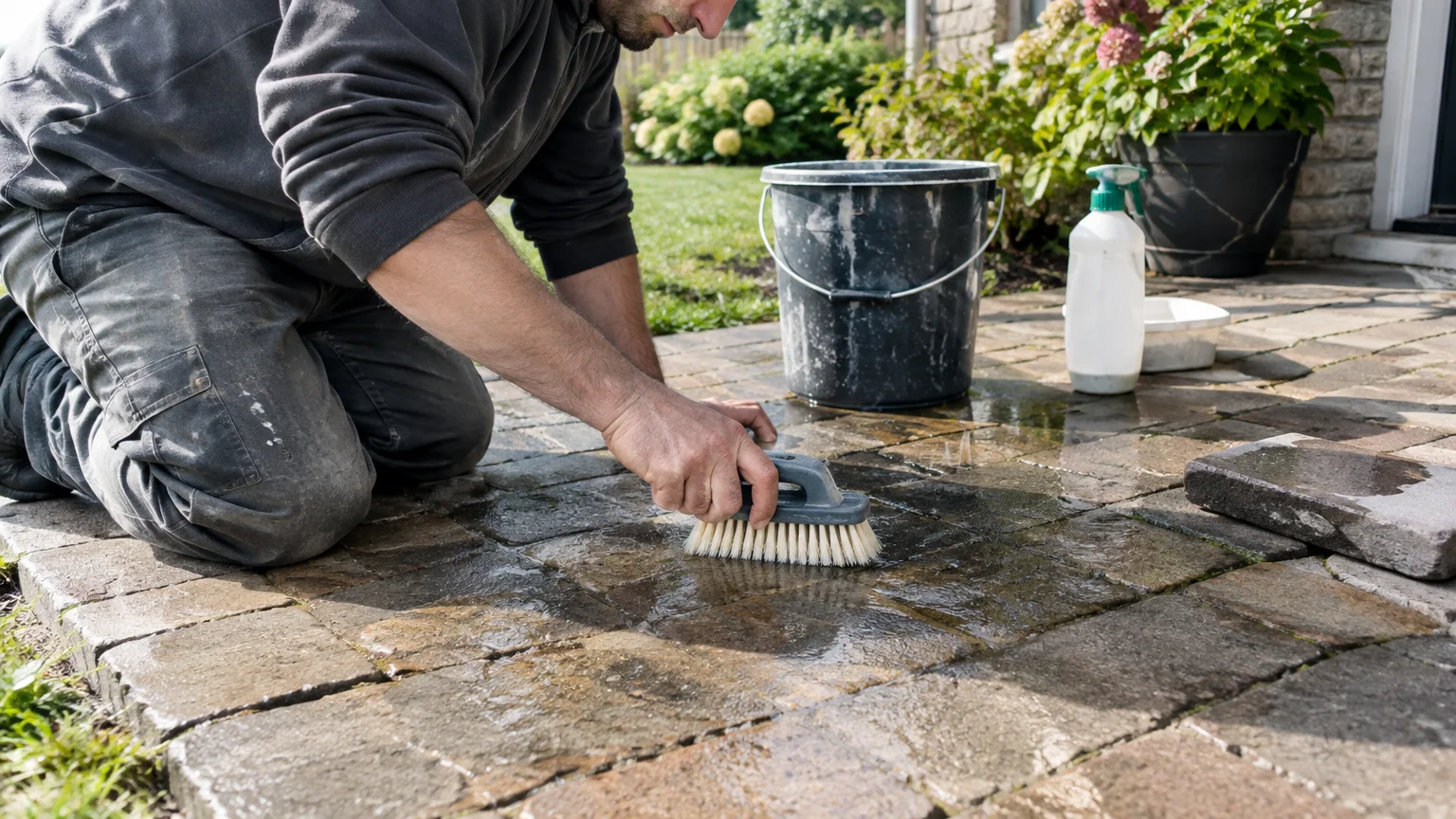
You can also do useful checks without a pressure washer. Sweep leaves from paths, rinse small spots with a garden hose, and look for loose boards or cracks. These basic jobs do not need a professional. They can help you decide if a larger wash is needed.
When surface condition, access, or equipment calls for professional help
Professional help may make sense for tall walls, large areas, hard-to-reach spots, and delicate materials. It can also help when gentle cleaning does not remove stains or you are unsure which pressure or cleaner to use. A trained cleaner can choose a method for the material and help keep water away from openings and plants.
Pressure Washing Largo works with property owners who need help planning exterior cleaning. For a home, business, or rental property in Largo, consider which surfaces need care and whether you can clean them safely. Pressure washing costs depend on the size of the area, the surface, access, and the amount of buildup. Ask for a quote to confirm the final cost, and compare the work needed rather than assuming every job is alike.
What should you do after pressure washing before winter?
Let surfaces dry, then check for damage, missed spots, and standing water. Clear leaves from paths and keep people away until walking areas are dry. Use what you find to plan repairs or later cleaning, rather than treating a wash as a replacement for regular care.
Allow surfaces to dry and check for areas needing attention
Drying time changes with shade, wind, temperature, and material. Look for water trapped near joints, under furniture, or along walls. Once surfaces are dry, check for loose paint, cracks, gaps, and stains that remain. Do not place outdoor items or stored goods on a wet surface.
If grime remains, do not repeat a strong wash right away. The stain may need a different cleaner or a gentler method. Oil marks on concrete may take more than one safe cleaning step. To remove oil stains from a driveway, use a product marked as safe for concrete and follow its directions. Do not pour oil or cleaner into a storm drain.
Plan ongoing exterior cleaning around seasonal conditions
Keep a short note of areas that collect leaves, algae, or dirt. Check steps and paths after wet weather, and sweep them when needed. Plan future cleaning around the weather and the surface, not a fixed schedule that ignores how the property is used.
Key takeaways
- Choose a mild, dry period with no frost in the forecast.
- Match the cleaning method to the material and its condition.
- Start gently, test a hidden spot, and stop if damage appears.
- Homeowners can do simple, safe upkeep without hiring a professional.
- Check surfaces after they dry and plan repairs before winter.
Conclusion
Careful cleaning before winter can remove loose buildup and make exterior checks easier. Pressure washing is not right for every surface, and more force does not mean better cleaning. In Largo, weather and shade can affect the best time to wash. Contact us to discuss a safe cleaning plan with Pressure Washing Largo.
Frequently Asked Questions
Is fall a good time to pressure wash a house?
Fall can be a good time when the weather is mild and dry, with no frost expected. Choose a period that gives siding and nearby paths time to dry fully. Clear leaves first, and use a gentle method on siding. Wait if rain or freezing weather is near.
Can you pressure wash in cold weather?
Pressure washing can be unsafe when water may freeze on a surface or the ground. Wait for above-freezing weather and enough time for drying. Cold, damp days can also slow drying. Check the forecast, not just the temperature when you start.
How often should a house be pressure washed?
There is no one schedule that suits every home. Cleaning needs depend on shade, nearby trees, weather, surface type, and visible buildup. Check the outside as part of regular upkeep. Wash when grime or growth needs attention, and use a gentle method if the surface is worn.
Can you pressure wash composite decking?
Some composite decks can be pressure washed, but follow the maker’s care instructions first. Use only an allowed setting, a wide spray, and a test area. Keep the nozzle moving. If the deck is damaged or you cannot find its care guide, hand cleaning may be safer.
How can oil stains be removed from a concrete driveway?
First check that the cleaner label says it is safe for concrete. Some oil stains need a stain-specific cleaner, not pressure alone. Follow the product directions and keep runoff out of storm drains. Avoid spraying close to the surface with strong pressure, as this can leave marks or damage.
If you are not sure what you are dealing with, it is worth having someone look at it before it turns into a bigger job. Get in touch with Pressure Washing Largo today and we will tell you where you stand.