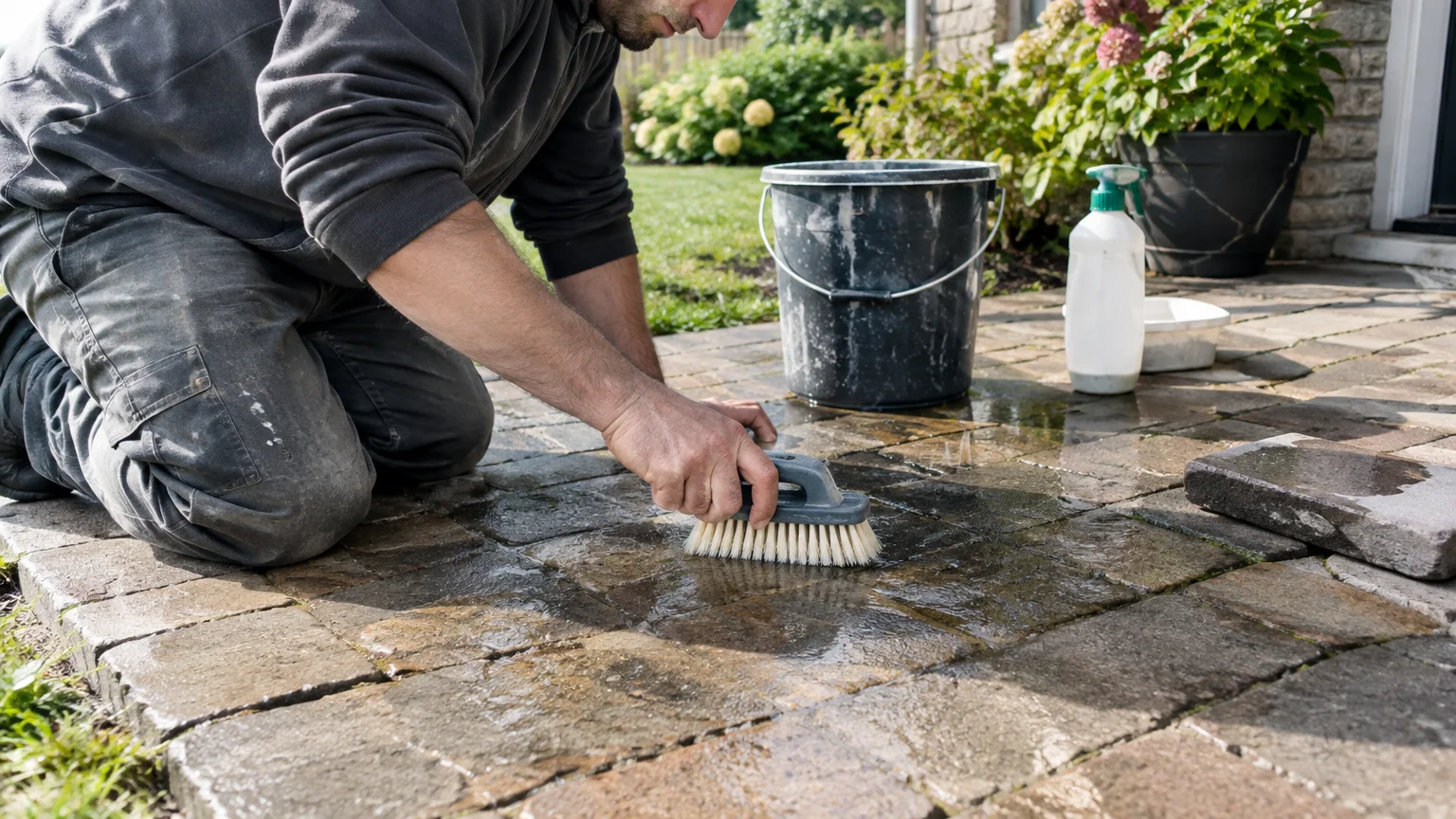
Pressure washing and rain can sometimes work together when showers are light, the surface drains well, and the work area stays safe. Heavy rain, storms, or strong wind can move dirt, wash away cleaner, and make surfaces slippery. In Largo, check the weather and the surface before deciding whether to start or wait.
Can you pressure wash when it’s raining?
Light rain does not always stop pressure washing, but it can make the work harder to control. A short shower may be manageable on an open driveway with good drainage. The crew should still check the forecast, wind, and surface before starting.
A downpour or storm creates more risk. Runoff can carry dirt across areas that were already rinsed. Wet ground can also become slick, making it harder to walk and work safely. Strong wind may send water toward doors, windows, plants, parked cars, or people. In those conditions, waiting is often the better choice.
Rain can also make it hard to judge the cleaning as it happens. Wet surfaces often look darker, so stains and uneven rinsing may be less clear. After the surface dries, missed spots or marks may stand out. A final check during a shower may not show the full result.
Homeowners can check the forecast, move outdoor items, and look for puddles or loose debris. These simple steps help prepare the space. You may not need a professional for these checks or other simple upkeep. A professional is a better fit for high or hard-to-reach areas, deep stains, or surfaces that could be harmed by too much pressure.
For Largo property owners, the main question is whether the work area will stay safe and the cleaning can be finished well. Pressure Washing Largo can help homeowners and businesses plan around local weather and surface needs. Rain can change quickly in Largo, so check conditions again before the work begins.
How does rain affect pressure washing results?
Rain changes how water, cleaner, and loosened dirt move across a surface. Heavy runoff may carry grime onto areas that were already rinsed. It may also spread cleaning solution beyond the planned work area, making it harder to control where the product goes.
Detergent is a cleaner that helps loosen dirt or stains before rinsing. The right product and method depend on the surface, so follow the product directions. Rain may thin the cleaner or rinse it away too soon. If the cleaner needs time to work, steady rain can get in the way.
Wet weather can hide the real state of a surface, too. A driveway may look clean while wet, then show an oil mark again after drying. For oil stains, the right cleaner and enough time to work matter. Pressure alone may not remove oil that has soaked into concrete. A small test spot can help show how the surface reacts.
How can rain affect checks after cleaning?
A dry surface makes leftover dirt, streaks, and uneven areas easier to see. Rain can hide these signs or bring fresh debris back onto the work area. It may also delay sealing, painting, or other work that needs a clean, dry surface.
This matters for decks and siding as well. Composite decking can often be cleaned, but the maker’s care directions should guide the method. Vinyl siding also needs care. Use a safe spray angle and keep water away from openings. If rain is in the forecast, waiting can make the final check clearer.
What weather conditions are best for pressure washing?
Mild weather with little wind is often easier for pressure washing. It helps the worker see the surface, aim the spray, and control rinse water. The best conditions still depend on the material, cleaning product, and any work planned after washing.
Temperature matters because very cold water or a freezing surface can create hazards. Water may freeze on steps, walkways, or shaded spots and make them slippery. Cold weather can also affect cleaners and drying. If a freeze may happen during or soon after the job, waiting is safer.
Humidity and shade can slow drying. Direct sun and heat may dry cleaner too fast. Wind can carry water and cleaner beyond the work area. A careful plan also accounts for nearby plants, windows, people, and parked vehicles, not only the surface being washed.
Why do washing and sealing need different weather?
Washing and sealing are separate jobs with different needs. Washing removes dirt and buildup. Sealing adds a protective layer, which usually needs a clean, dry surface and good conditions to set. Curing means the coating has had time to set as its maker directs.
Rain soon after sealing can harm the finish. The surface may need to stay dry for the time stated on the product label. Check those directions and plan enough dry time before booking follow-up work. Washing may fit one weather window, while sealing needs another.
There is no one best month for every surface or place. In Florida, local heat, shade, storms, and freeze risk can change the best time to clean. A simple yearly plan can account for a home’s materials and the season. It is better than relying on one fixed date for every job.
How should you plan or reschedule pressure washing around the forecast?
A good plan checks more than the chance of rain. Consider the surface, drainage, wind, temperature, drying needs, and people using the space. At home, check gates, windows, outdoor furniture, and walkways. Businesses should also plan around customers and staff.
Before choosing a date, note stains, fragile areas, and spots that stay damp. Move loose items and keep children and pets away from the work area. For a business or rental property, a clear notice helps tenants, customers, and staff avoid the area while cleaning and drying take place.
When the forecast changes, rescheduling can protect people and the results. Pause for steady rain, lightning, strong wind, freezing conditions, or poor drainage. A brief shower may not require a change if the area stays safe and the cleaning steps can still be done as planned.
A professional can check tricky surfaces and choose a suitable method. This can help with roofs, tall siding, delicate decks, or stains that need special care. Homeowners can safely do routine checks and move outdoor items. Work at height or near electrical hazards should be left to trained help. Good driveway washing prep also includes checking drainage and keeping the work area clear.
Key takeaways
- Light rain may be manageable, but storms and slick surfaces can make cleaning unsafe.
- Rain can move dirt, weaken cleaner, and make final checks less clear.
- Temperature, wind, shade, and freeze risk all affect the work window.
- Sealing needs a clean, dry surface and the cure time stated by its maker.
Frequently Asked Questions
Can pressure washing be done in light rain?
Sometimes. Light rain may be manageable when the surface drains well, wind is low, and the work area stays safe. The cleaner’s directions and the planned rinse matter, too. Heavy rain, storms, or slick walkways are good reasons to pause and choose a better weather window.
How long should a surface stay dry after washing?
Drying time changes with the surface, shade, wind, temperature, and humidity. Concrete may dry differently from a shaded deck or siding. If sealing or painting will follow, use the product directions to guide the wait. The surface should be dry enough for the next step to work as planned.
Can oil stains be removed from a driveway in wet weather?
Rain can make oil stain treatment less predictable because water may thin the cleaner or move it away. A cleaner made for the surface may help, but old or deep stains can remain. It is often easier to judge the result after the concrete dries and the weather allows proper treatment.
Should pressure washing be rescheduled before a storm?
Yes. Rescheduling makes sense when a storm may bring lightning, strong wind, heavy rain, or unsafe runoff. Wet steps and walkways can become slippery, and spray may reach places it should not. A safer forecast gives the crew time to clean, rinse, and check the surface well.
Conclusion
Checking the forecast helps protect people, surfaces, and cleaning results. Pressure washing and rain can work together only when the weather suits the surface and the planned steps. For local planning, contact Pressure Washing Largo. Contact us to plan or reschedule cleaning around the forecast.