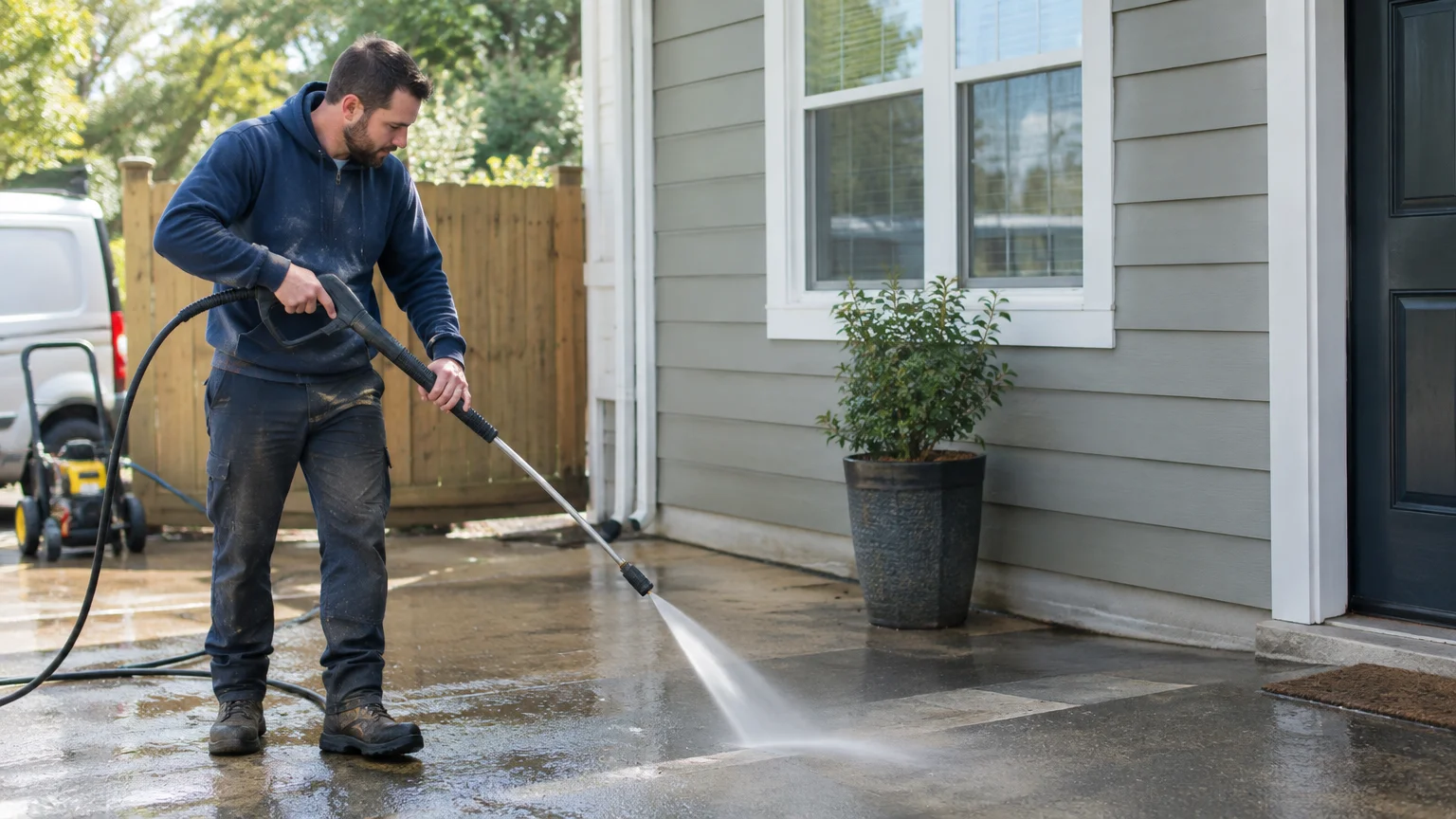
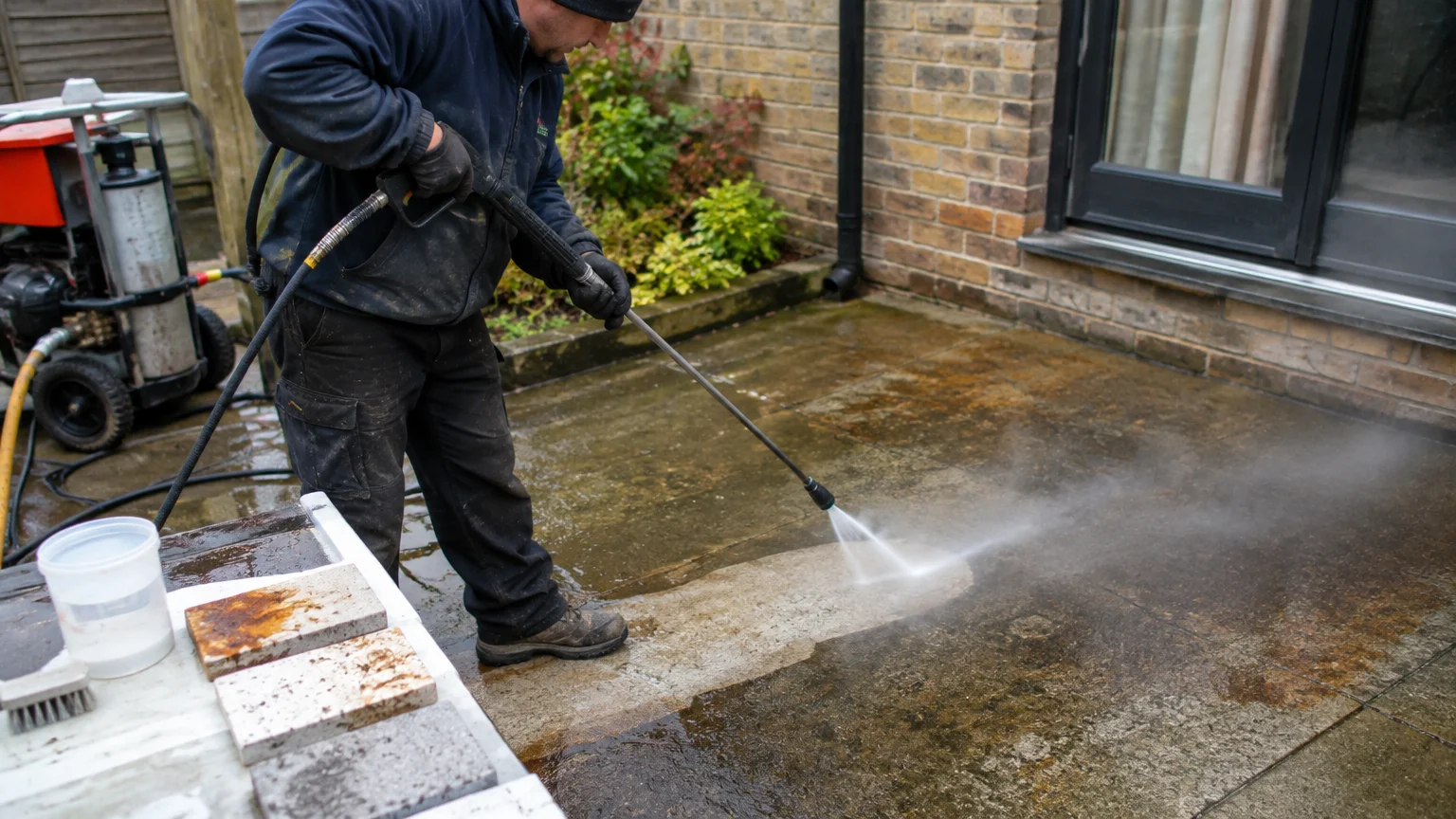
Pressure washing red flags can warn you about poor service, property damage, and hard disputes. Watch for missing business details, weak insurance answers, vague quotes, unsafe cleaning methods, and rushed sales talk. In Largo, the safest choice is a company that explains the work and protects your property.
Table of Contents
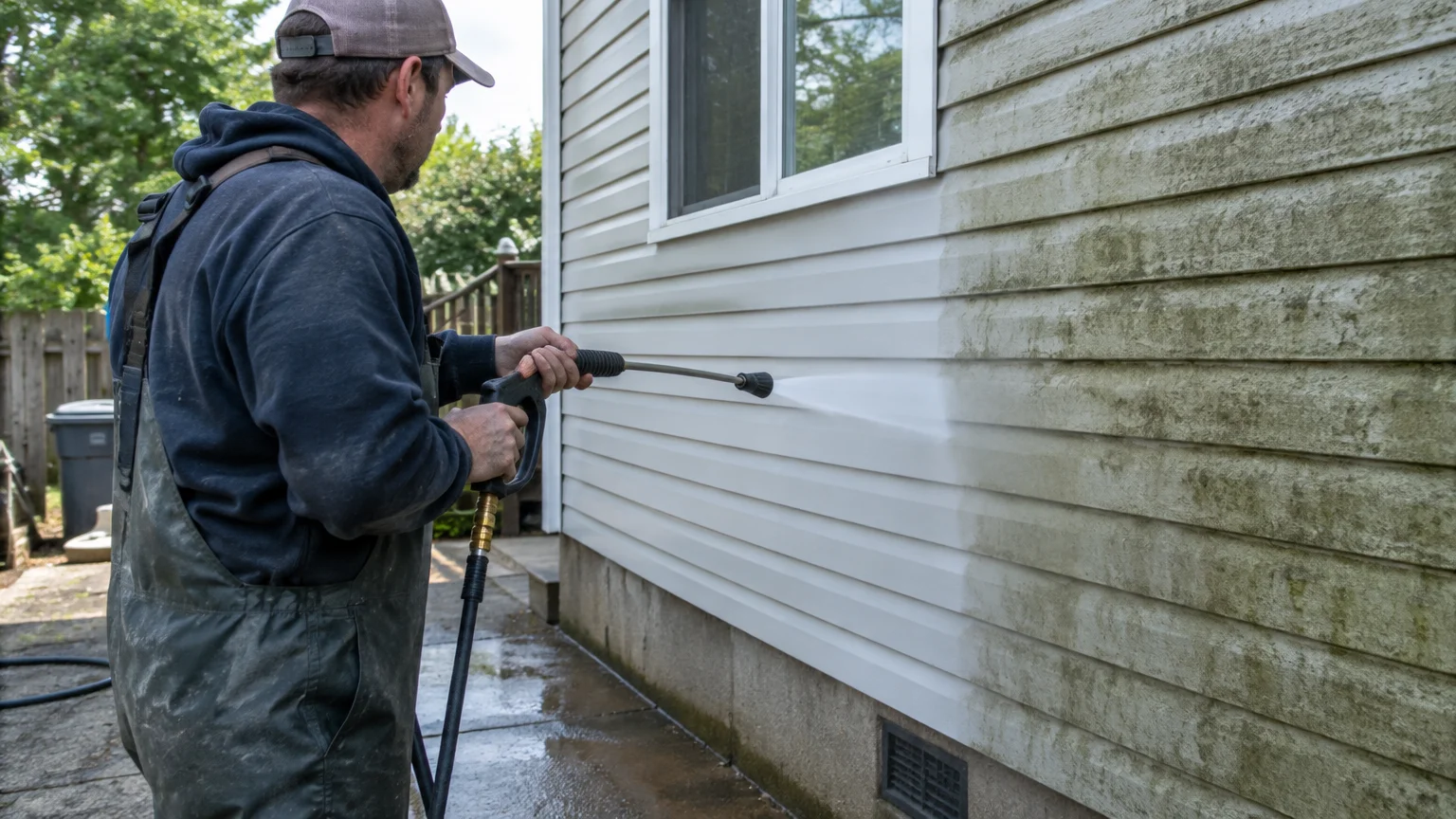
- What are the biggest pressure washing red flags?
- How can you verify a pressure washing company’s credentials?
- What should a pressure washing quote include?
- Which pressure washing methods can damage property?
- How can you spot unreliable reviews and references?
- What should you do when a pressure washing job goes wrong?
- How do you choose a pressure washing company with confidence?
- Frequently Asked Questions
- Key Takeaways
- Conclusion
What are the biggest pressure washing red flags?
The biggest pressure washing red flags include missing business details, rushed sales talk, unclear work plans, and promises that sound too broad. A trusted contractor should explain what will be cleaned and which method will be used. The team should also explain how it will protect windows, plants, paint, and outdoor items.
How vague business information can signal trouble
A company should make it easy to learn who will do the work. Look for a clear business name, service area, website, work description, and contact method. These details should match across the website, business listings, written quote, and other public records.
Be careful when a provider gives only a first name or avoids basic business questions. A contractor who will not provide written details may be hard to reach later. This matters if a surface is damaged or the work is not complete. Pressure Washing Largo helps Largo property owners compare work plans by looking for clear details instead of broad promises.
Another warning sign is a claim that every surface can be cleaned the same way. Concrete, wood, brick, stucco, roofs, and painted siding need different care. A careful contractor checks the surface before choosing water pressure, flow, or cleaning products.
Why rushed decisions and pressure tactics deserve caution
Fast sales talk does not mean better cleaning. You should have time to read the scope, ask questions, and compare companies. Be careful if a worker says you must decide at once, refuses to leave written information, or changes the work plan during a sales call.
A dependable company should welcome questions about insurance, preparation, runoff, damage claims, and cleanup. It should also explain what you must move, unlock, cover, or protect. Pressure washing red flags often become clear when a provider reacts badly to normal questions.
How can you verify a pressure washing company’s credentials?
You can verify credentials by checking business records, insurance details, local rules, training, and past work. Requirements can vary by state and local area. A contractor should explain which documents apply to the job in Florida and Largo.
Licensing, insurance, and business registration
Ask whether the company has any license or registration required for its work. Some areas require business registration or contractor licensing for certain property services. The company should give clear answers and provide details you can check with the proper office when needed.
Insurance matters because pressure washing can affect siding, windows, paint, landscaping, vehicles, and walkways. Ask what type of coverage the business carries. Also ask whether it applies to the planned work. Saying that “everything is covered” does not give you enough information.
Ask who will perform the service. A company that uses employees or subcontractors should explain who is responsible for the work and follow-up. Pressure Washing Largo should meet the same standard as any local contractor: clear records, honest answers, and a plan that fits the property.
Training, experience, and property-specific knowledge
Experience matters most when it matches the surface being cleaned. A provider may know how to clean driveways but have little experience with old brick, delicate wood, roof materials, solar panels, or painted stucco. The contractor should explain how it handles each surface before work starts.
Ask for examples of similar jobs. You might ask whether the company has cleaned the same siding, how it protects plants, and how it handles dirty water. The answers should be useful and clear. Broad claims about being the best are not enough.
A trained professional also knows when you may not need a pressure washer. Simple sweeping, light rinsing, and routine upkeep may be safe for some surfaces. Roof cleaning, high work, electrical areas, fragile materials, and strong chemicals call for trained help.
What should a pressure washing quote include?
A clear written quote should explain the work, surfaces, preparation, cleaning method, follow-up terms, and your duties before the visit. The final cost should be confirmed in the quote. Read it before you approve the service.
The details a clear written quote should cover
The quote should name each area to be cleaned. It should say whether the work includes a driveway, patio, pool deck, siding, fence, roof, deck, or commercial exterior. It should also explain whether stains, mildew, algae, oil marks, or heavy buildup need special treatment.
A useful quote explains the method. Pressure washing uses pressurized water, while soft washing uses lower pressure with cleaning solutions and careful rinsing. Neither method fits every surface. The contractor should explain why the chosen method suits your property.
The plan should cover preparation and cleanup. It may tell you to close windows, move furniture, unlock gates, or keep pets inside. It should explain how the crew will protect plants, lights, outlets, doors, and nearby vehicles.
When comparing pressure washing costs, look at the full work plan instead of one short estimate. Surface size, access, buildup, preparation, and the cleaning method can all affect the final amount. The final cost should be confirmed on a written quote.
Warning signs in vague, changing, or incomplete estimates
Be careful when a quote uses broad wording such as “whole house cleaning” without naming surfaces or limits. A vague plan can cause arguments about what was included. Another warning sign is a quote that changes without a clear reason or adds work that was never discussed.
Ask how missed areas, weather delays, damage concerns, and return visits will be handled. A good contractor will not promise that every stain will disappear. Some marks may be deep, old, or permanent. The quote should set honest expectations.
Do not approve work based only on a spoken promise. Keep the quote, messages, photos, and notes. These records help both sides understand the plan. They may also help if a dispute starts.
Which pressure washing methods can damage property?
The wrong pressure, nozzle, water flow, or cleaning solution can damage property. High pressure may strip paint, cut wood fibers, loosen mortar, break seals, damage screens, or force water behind siding. The safest method depends on the material, age, condition, and location.
Why the wrong pressure or cleaning solution is risky
Wood decks can show marks or splinter when cleaned too hard. Brick and mortar may suffer when a narrow spray is held too close. Stucco can crack or lose its finish with poor treatment. Roof shingles may lose protective material when cleaned with harsh pressure.
Soft washing does not mean a surface cannot be harmed. It uses lower pressure but may include cleaning solutions that need careful mixing, waiting time, rinsing, and runoff control. The contractor should explain how it protects plants, pets, fish ponds, gutters, and nearby surfaces.
Solar panels also need care. If you search for someone to clean solar panels near me, look for panel-specific knowledge. Ask whether the company cleans panels, what tools it uses, and how it avoids harm to frames, seals, wiring, and the roof.
Questions to ask about surfaces, runoff, and preparation
Ask these questions before work begins:
- Which cleaning method is planned for each surface?
- How will windows, plants, outlets, doors, and vehicles be protected?
- How will dirty water and cleaning products be controlled?
- What should I move, cover, or keep closed?
- What damage or stains may remain after cleaning?
The difference between pressure washing and soft washing should be explained in plain words. A careful contractor will inspect the property before spraying. This check may reveal loose paint, cracked mortar, weak seals, brittle materials, or other conditions that change the work plan.
For simple driveway washing prep, a homeowner can often move cars, toys, tools, pots, and loose items. Close windows and keep pets indoors. You may not need a professional for these basic steps, but high areas, weak surfaces, and chemical handling should be left to trained workers.
How can you spot unreliable reviews and references?
You can spot weak reviews by checking for repeated wording, vague praise, unusual bursts of reviews, and comments that do not describe the service. Strong feedback often explains what was cleaned, how the crew worked, and whether the company communicated well.
What to look for when evaluating online feedback
Read reviews as a group. Do not judge a company by one perfect comment or one angry complaint. Look for patterns in timing, care, cleanup, surface knowledge, and response to concerns. Recent feedback may show how the business works today.
A company should answer serious complaints in a calm and useful way. The reply should not reveal private details or attack the customer. A professional response may say that the business is reviewing the issue and will speak with the customer privately.
Photos can help, but they need context.
Before-and-after photos may use different light, camera angles, or crop sizes. Ask whether the photos show similar surfaces and conditions. Photos alone cannot prove that the company used a safe method.
How consistent references and project examples build confidence
A contractor who can describe similar work gives you more help than one making broad claims. Ask for examples involving the same type of home, building, deck, patio, roof, or concrete surface. The goal is to learn how the company thinks about risk and preparation.
References should be handled with care. You should not demand private information. A company may share public project details or customer feedback with permission. Consistent answers across reviews, references, and the written quote can build trust.
In Largo, weather and property type can affect buildup on outdoor surfaces. Pressure Washing Largo should explain how local conditions may affect cleaning. It should not claim that every property needs the same service.
What should you do when a pressure washing job goes wrong?
If a pressure washing job goes wrong, stay calm, record the problem, contact the company in writing, and request a clear correction plan. Photos, the quote, messages, payment records, and service dates can help show what happened.
Documenting damage, missed work, and communication
Take clear photos as soon as it is safe. Include wide photos that show the location and close photos that show marks, broken items, overspray, plant damage, or missed areas. Note when you found the issue and whether it appeared during or after service.
Keep the original quote and all messages. Write down what the contractor promised, what work was finished, and what the team said after you raised a concern. Avoid repairs before the company can inspect the issue. Act sooner if waiting could cause more damage or create a safety risk.
If the issue affects an important building part, you may need an assessment from a qualified specialist. A roofer, window professional, painter, or masonry expert may help explain the condition. Ask for written findings when possible.
Steps for requesting correction or pursuing a dispute
Start with a clear message that describes the issue. Include photos and refer to the agreed work. Ask whether the company will inspect, correct, or otherwise address the problem. Give the business a reasonable chance to respond.
If communication fails, review the contract for dispute terms. Depending on the situation, you may contact an insurer, local licensing office, consumer protection agency, or small claims court. The best path depends on the location, contract, damage, and evidence.
Do not make threats or post private information online. A factual record is more useful than an angry exchange. Pressure washing red flags matter before hiring, but careful records can also help after service.
How do you choose a pressure washing company with confidence?
You can choose with confidence by comparing work plans, credentials, surface knowledge, reviews, communication, and service-day steps. The best fit is not always the company with the biggest claim. It is the company that explains the work and respects your property.
A practical comparison checklist before hiring
Before choosing a contractor, review this checklist:
- The business name and contact details are clear and consistent.
- Required licensing or registration can be checked when needed.
- Insurance information is explained in a useful way.
- The quote names surfaces, methods, preparation, and cleanup.
- The contractor answers questions without rushing you.
- Reviews and project examples match the planned work.
- The company explains how it handles damage or missed work.
This process works for homes, rentals, commercial buildings, and investment properties. Property owners should ask who will receive notices, approve changes, and inspect the finished work. Tenants should follow lease rules before arranging exterior cleaning.
What a professional service day should look like
A professional service day starts with a property check and a review of the work plan. The crew should confirm access, protect sensitive areas, and point out conditions that may affect results. It should not spray every surface with the same pressure.
During the work, the team should manage hoses, runoff, equipment, and nearby people. Workers should use suitable safety gear and tell you about changes. Afterward, the crew should clean the work area, remove equipment, and review the finished sections.
A final walk-through gives you time to ask about results and remaining stains. Pressure Washing Largo can help property owners decide whether a cleaning plan fits the surface, access, and condition of the property.
Frequently Asked Questions
What is the biggest warning sign when hiring a pressure washing company?
The biggest warning sign is a company that avoids clear answers about its identity, insurance, cleaning method, or written work plan. Rushed decisions and broad promises also deserve caution. A reliable contractor should explain limits, protect nearby property, and give you time to review the details.
What questions should a homeowner ask a pressure washing company?
Ask which method fits each surface, how plants and windows will be protected, what preparation is needed, and what results are realistic. Also ask about insurance, credentials, runoff control, cleanup, missed areas, damage concerns, and how changes will be approved.
What is the difference between pressure washing and soft washing?
Pressure washing uses stronger water pressure to remove buildup from suitable hard surfaces. Soft washing uses lower pressure with cleaning solutions and careful rinsing. The safer choice depends on the surface and condition. A trained contractor should explain the method instead of using one approach everywhere.
Does soft washing damage stucco?
Soft washing does not always damage stucco, but poor technique can. The contractor should check for cracks, loose finish, weak seals, and places where water may enter. Proper solution control, gentle application, suitable rinsing, and careful runoff management lower the risk.
Can a homeowner pressure wash a deck?
A homeowner may handle light cleaning when the deck material, equipment, and conditions are suitable. Do not hold the spray close or aim it at joints and edges. Older wood, painted decks, high areas, and heavy growth may need professional care.
Key Takeaways
- Clear business details matter: A contractor should explain who will do the work and how you can verify the business.
- The method must fit the surface: Wood, brick, stucco, roofs, concrete, and panels need different care.
- Written details prevent disputes: The quote should name the work, preparation, method, cleanup, and follow-up process.
- Reviews need context: Look for patterns, similar projects, honest replies, and clear examples.
- Good records help after problems: Save photos, quotes, messages, service dates, and correction requests.
Conclusion
Choosing a pressure washing company takes more than comparing quick promises. Homeowners, business owners, tenants, and property managers should look for clear credentials, safe methods, detailed plans, reliable reviews, and respectful communication. These checks can help reduce damage, missed work, and difficult disputes.
The safest contractor treats each surface as different. It explains what the service can and cannot do. With careful questions and a written plan, customers in Largo can make a better choice for homes and commercial properties. This includes areas such as Downtown Largo, Harbor Bluffs, Clearwater, Seminole, Belleair, Pinellas Park, and nearby communities.
If you are unsure what a surface needs, have it checked before the problem grows. Contact us to discuss the right next step with Pressure Washing Largo.