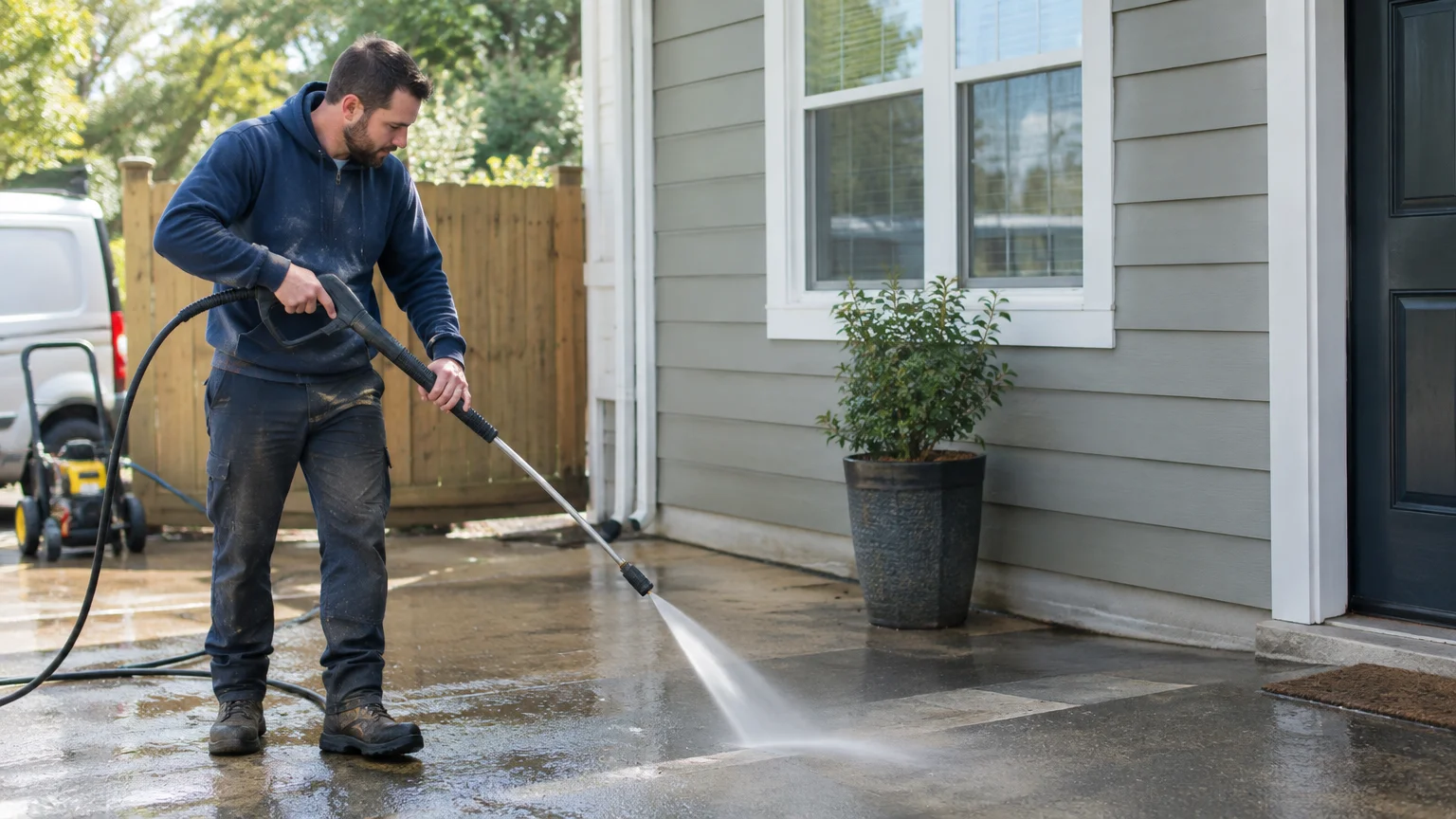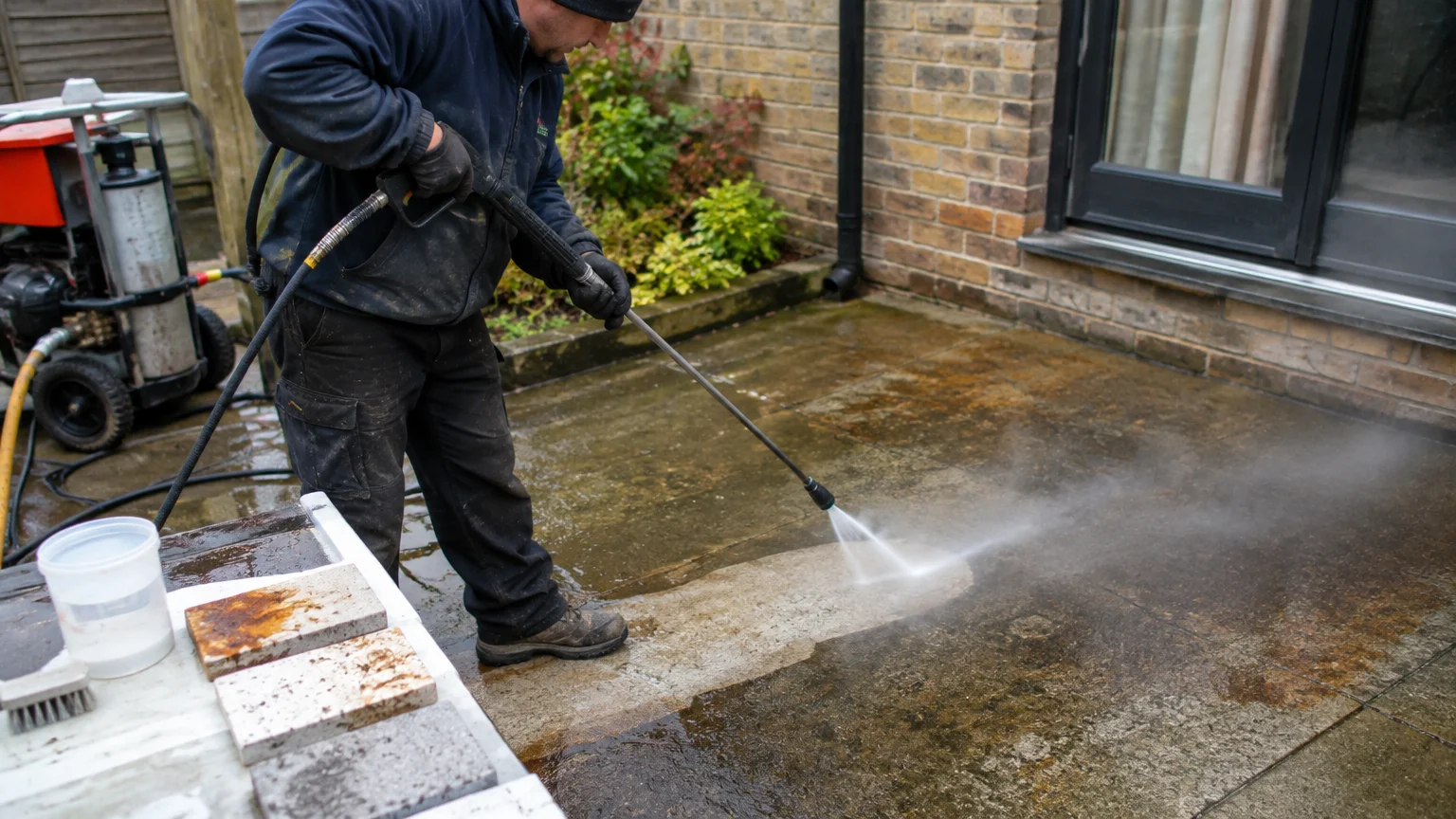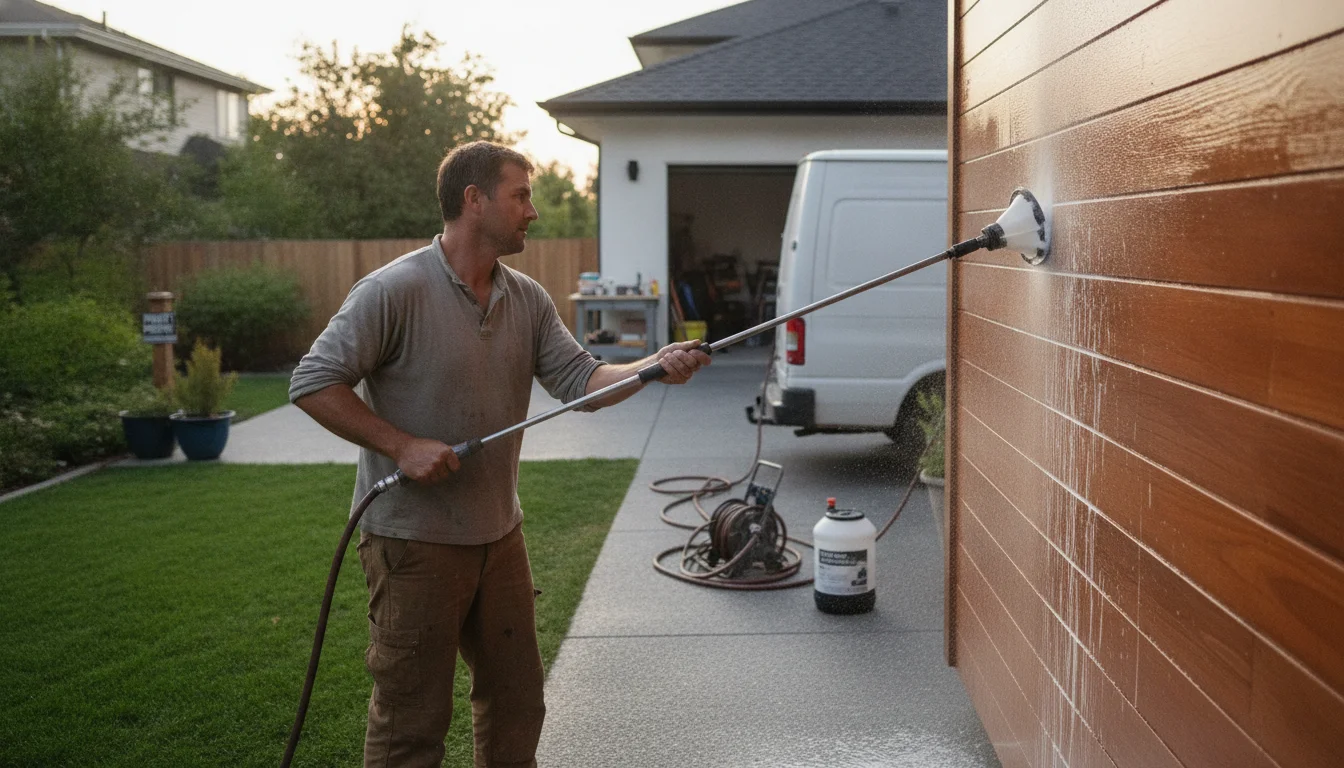
Cedar looks warm and classic—until dark streaks and green spots show up. Many people search for house washing near me and plan to rent a machine, but cedar is not like concrete and needs a different approach. Here is the clear answer within the first 150 words: for most homes in Largo, soft washing cedar siding is the safer, more reliable method because low pressure and the right cleaner remove organic growth without tearing the grain or forcing water behind boards. Pressure Washing Largo explains how to do it right and why it matters in our coastal climate.
Soft washing vs. pressure washing: what works best for cedar?
Soft washing uses low pressure water with a cleaning solution; the solution does most of the work and the rinse is gentle. Pressure washing relies on higher PSI (pounds per square inch) to scrub with force. In a soft wash vs pressure wash comparison on cedar, soft washing typically keeps pressure under a few hundred PSI and lets chemistry clean mold, mildew, and dirt without damaging the wood.
For most homes, soft washing cedar siding is the safer choice. Cedar is a soft wood; hit it hard and the grain can lift, surfaces get fuzzy, and water can be driven into laps. A careful soft wash cleans thoroughly while protecting the finish. The same gentle thinking applies to painted wood, soft washing stucco, and vinyl siding, while higher pressure is better reserved for tough materials like concrete or pavers.
Risks to cedar: grain lift, water intrusion, and discoloration
High pressure can make the surface feel fuzzy—this is grain lift, when spring wood fibers rise and trap dirt, making future staining happen faster. Water forced behind boards can wet housewrap and sheathing, fostering mold and musty odors. Trapped moisture can also stain nails and cause tannin bleed—brown streaks from natural wood oils. If the coating is compromised, UV and rain reach bare wood and aging speeds up.
Cleaner choice matters. A mild, plant-safe detergent with a small amount of sodium hypochlorite breaks down organic growth, while surfactants help the mix cling at low pressure. Always pre-wet plants, control runoff, and rinse landscaping thoroughly to protect your yard.
A safe cleaning process for cedar siding
A careful plan protects the home and restores an even, bright look. Follow this simple path:
- Inspect: Note loose boards, gaps, peeling paint, and stained spots. Test a small, hidden area first.
- Mask: Cover outlets, doorbells, cameras, and delicate plants. Close windows. Seal obvious gaps with painter’s tape where safe.
- Mix: Choose a wood-safe cleaner per label. Start mild—you can make a second pass if needed.
- Apply: Work from bottom up to avoid streaks. Let it soak. The “dwell time” is how long the cleaner sits to do its job.
- Agitate: Use a soft brush on stubborn spots. Keep strokes with the grain.
- Rinse: Use low pressure at a downward angle. Do not drive water up under laps or into joints.
- Post-wash: Rinse plants again. If needed, rinse well and then use a wood brightener to even out color (never mix it with a bleach-based cleaner), then let the siding dry fully before any stain or paint work.
Choosing the right method and a maintenance plan
Soft washing cedar siding is often enough on light soil and early algae. On heavy growth, two light applications can be safer than one hard blast. Reserve higher pressure for hard surfaces like concrete, not cedar. If your cedar is painted or stained, follow the coating manufacturer’s care guide and warranty rules—hot sun, harsh cleaners, or too much dwell time can dull a finish, so keep the work cool, shaded, and gentle.
Plan simple upkeep. In many areas, a wash every 12 to 24 months keeps stains away. Spring or fall is ideal in Largo when temps are mild and drying is steady. Light DIY care—like rinsing dust and trimming plants—helps. For deeper cleaning, House Washing Services in Largo, FL | Exterior Cleaning and Soft Washing Services in Largo, FL | Gentle Exterior Cleaning provide methods and equipment suited to delicate wood. Pressure Washing Largo serves homes and businesses across Largo every week with safe chemistry, trained technicians, and tidy rinsing.
Frequently Asked Questions
Can you pressure wash cedar siding at all?
You can rinse cedar, but keep pressure very low and use a wide fan tip. The cleaner should do the work, not force. Aim downward and keep your distance. If you see the wood fuzz, stop and switch to a softer method.
What cleaner is safe for cedar?
A mild, wood-safe detergent with a small amount of sodium hypochlorite works for mold and algae. Add a surfactant to help it cling. Always follow the label, pre-wet plants, and rinse well. Test on a small area first to check color and finish.
How long should cedar dry before staining or painting?
Let cedar dry fully. Dry times vary with shade, airflow, and weather. Many pros wait several warm, dry days after washing. If moisture lingers, coatings may not bond well. A moisture meter is helpful if you plan to refinish soon after cleaning.
Key takeaways
- Soft washing is the safer choice for most cedar siding.
- Use low pressure and the right cleaner; let chemistry work, not force.
- Protect the home: control water, shield plants, and rinse downward.
- Check finish rules for painted or stained cedar before washing.
- Plan routine care every 12 to 24 months for lasting curb appeal.
Conclusion
Cedar needs care, not force. A gentle wash, smart chemistry, and a low-pressure rinse clean well and protect the wood. For local help, Pressure Washing Largo can set up a safe plan for your siding and other exterior surfaces. Contact us.