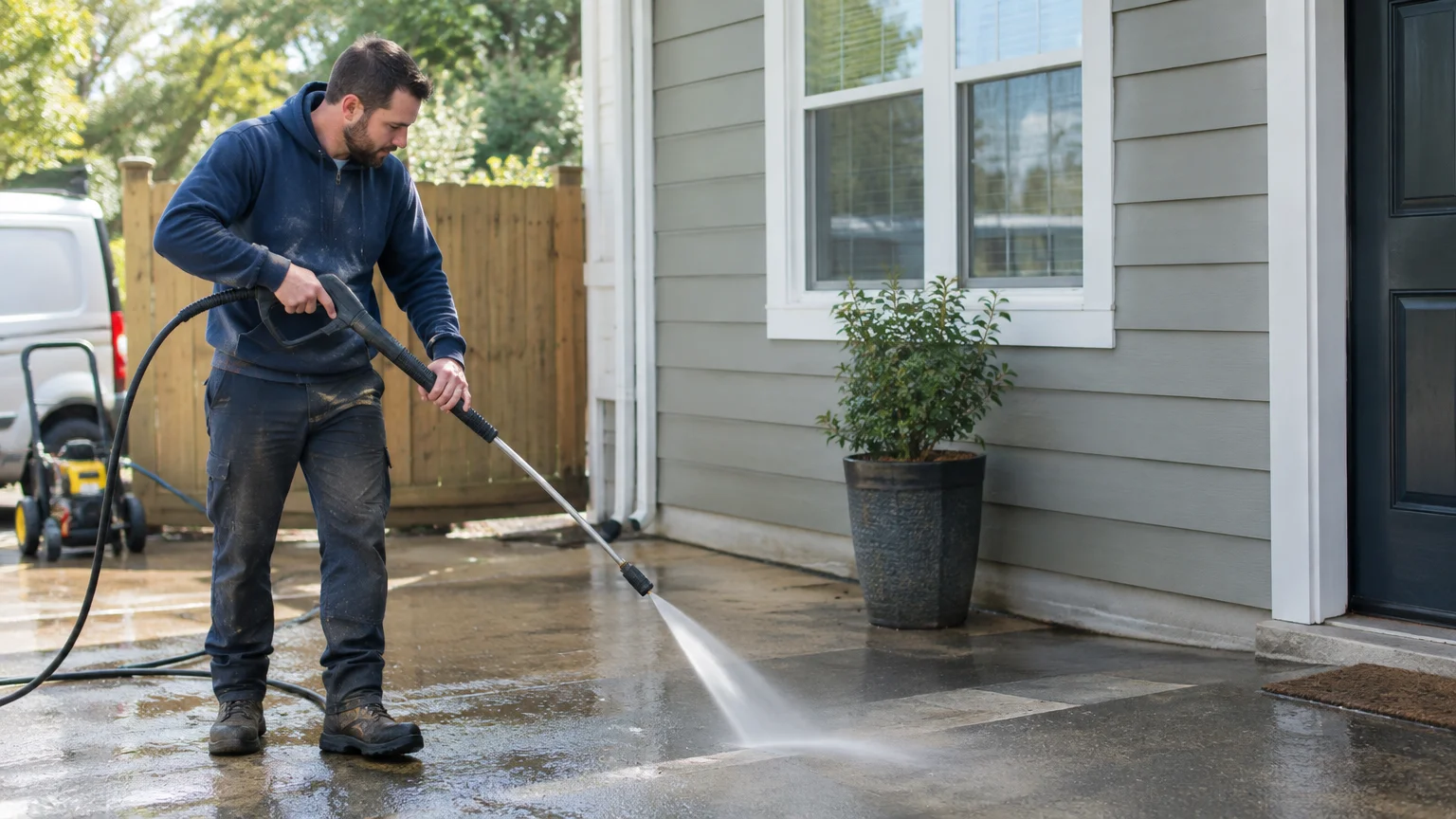
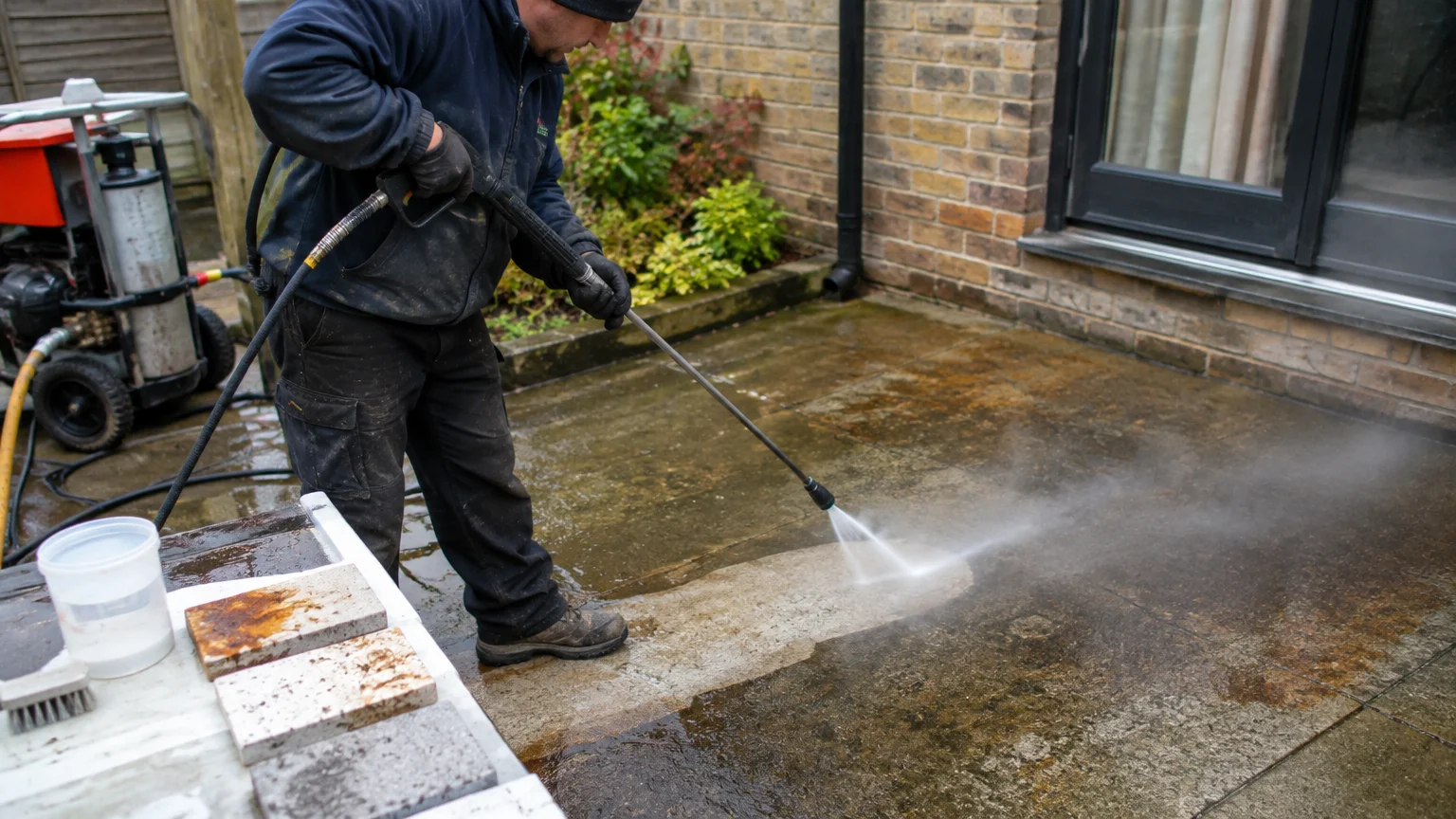
When to wash vinyl siding depends on visible dirt, stains, and growth, along with the conditions around your home. Look for dark streaks, green patches, stuck-on grime, or color that seems uneven. In Largo, shade, trees, rain, and wind can affect how quickly siding gets dirty. A careful check helps you decide whether gentle cleaning is needed.
A short walk around the house can often answer the question. One wall may stay clean while another collects pollen or damp growth. That does not mean the whole home needs washing. Clean when buildup is clear, and avoid harsh methods that can force water behind the siding.
Table of Contents
- How can you tell when vinyl siding needs washing?
- How often should vinyl siding be washed?
- What does mold or mildew on vinyl siding look like?
- Which areas of a vinyl-sided home get dirty first?
- Can pollen, dust, or cobwebs signal that siding needs cleaning?
- Should you wash vinyl siding after storms or landscaping work?
- How can you check vinyl siding before washing it?
- When is the best time of year to wash vinyl siding?
- Can you wash vinyl siding yourself, or should you hire a professional?
- What should you do after washing vinyl siding?
- Frequently Asked Questions
How can you tell when vinyl siding needs washing?
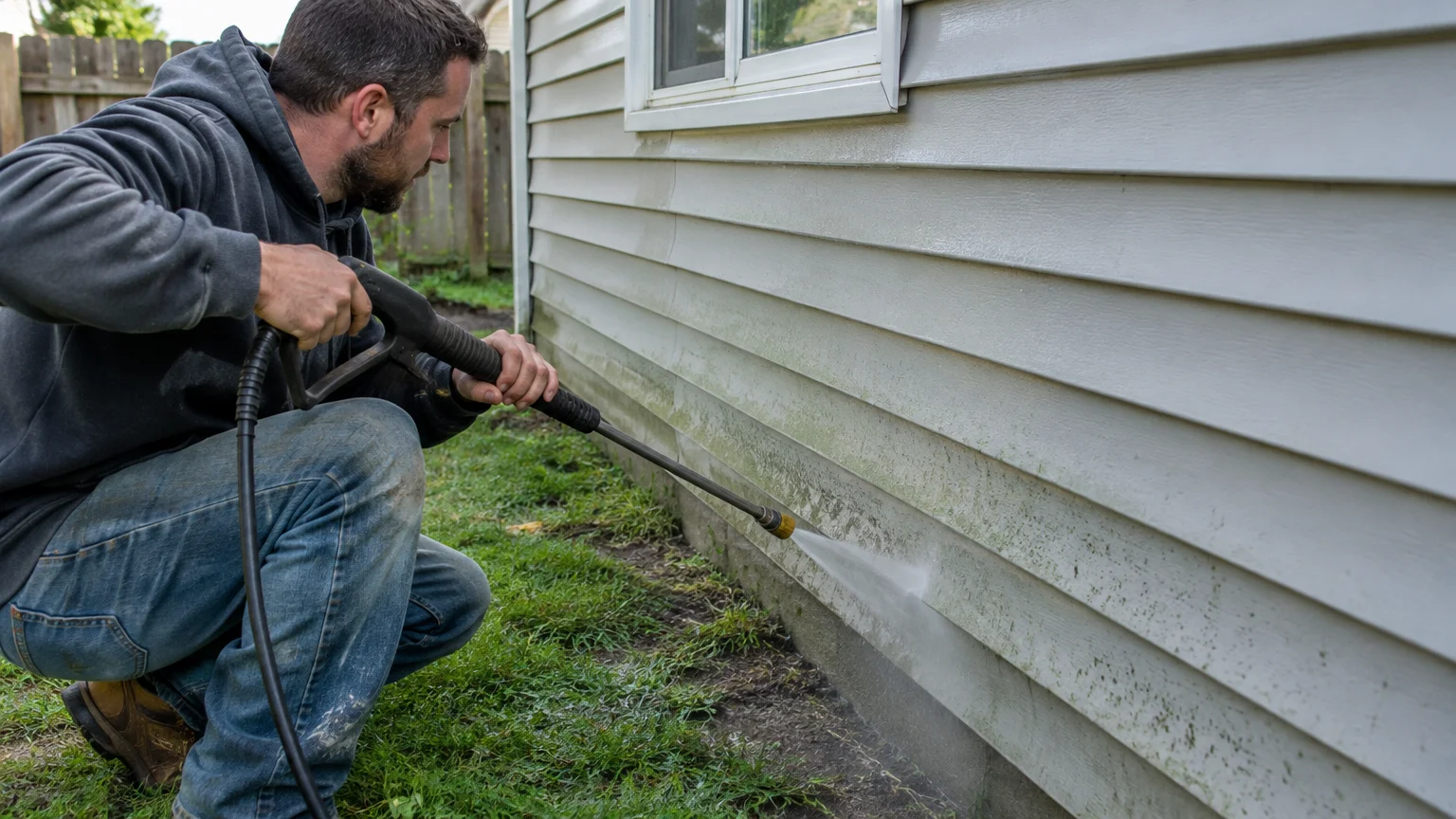
Visible dirt, stains, and streaks are common signs that vinyl siding may need washing. Look for a gray film, green marks, dark lines below windows, or grime near the ground. If the surface looks dull or has uneven color, compare it with a sheltered area that gets less rain and dust.
Visible dirt, stains, and streaks
Look at the walls from a few steps away, then check areas with clear marks. Dirt can gather under roof edges, below windows, and near vents. Green or black patches may be growth, while yellow dust may be pollen. A small dirty spot does not always mean the whole house needs washing. First consider what caused the mark, then clean it gently if needed.
Notice marks that come back soon after rain. Water can carry dirt down a wall and leave lines as it dries. A stain in one place may also come from a nearby tree, sprinkler, or outdoor fixture. Finding the cause can help keep the same mark from returning.
Changes across different sides of the house
Look at each side in daylight. A sunny wall may stay clean, while a shaded wall holds moisture and develops green patches. This difference can explain why one part of the home needs care before another.
Homeowners in Largo can check their siding after dry weather and after a rainy stretch. Pressure Washing Largo can help homeowners tell whether clear buildup needs gentle cleaning or a closer look. Keep the check simple: note each mark, where it is, and whether plants or water may be causing it.
How often should vinyl siding be washed?
Check vinyl siding often, and wash it when dirt, stains, or growth are easy to see. There is no one schedule that works for every home. Shade, rain, trees, nearby roads, and sprinkler spray all affect how quickly siding gets dirty.
How climate, shade, and landscaping affect cleaning
A home near trees may collect leaves, sap, pollen, and bird droppings. A damp, shaded wall can hold green growth longer than a wall in open sun. Homes near busy roads may gather more dust and grime. These clues can help you decide when to check the siding, but they do not mean every wall needs the same care.
Nearby plants can rub against siding and trap damp leaves. Trim shrubs so air and sunlight can reach the wall, while keeping tools away from the siding. If a sprinkler sprays the house, adjust its direction when you can. Small changes may help reduce repeat stains and let the siding dry.
Why a yearly check helps
A yearly walk around the home can reveal early changes, even when washing is not needed. Look for loose panels, gaps, peeling caulk, and water marks near doors and windows. Also note stains that seem to be growing or returning.
You do not need special tools for this check. Walk around when the light is good and look from the ground. Homeowners can often handle simple checks and light dust without hiring help. If the wall stays clean, there is no need to wash it just because a calendar says so. Pressure Washing Largo can discuss house washing when buildup is more than a light, safe home cleanup can handle.
What does mold or mildew on vinyl siding look like?
Mold or mildew on vinyl siding often looks like green, gray, or dark patches that stay on the surface. Ordinary dirt may look like a thin film or streak, while pollen often looks like loose yellow dust. Color alone cannot tell you what a stain is, so check its shape, location, and whether it comes back.
Organic growth and ordinary dirt
Growth often appears in damp, shaded places. It may gather near trees, under roof edges, or behind plants close to the wall. Dirt and dust can cover a wider area, especially after wind or nearby road work. Pollen often settles on many outdoor surfaces during its season and may rinse away more easily than a stuck-on stain.
Do not scrape or scrub hard to test a mark. A rough tool can scratch the siding, and strong water can push moisture into seams. If you are unsure what caused the mark, try a small, gentle check with water and a soft cloth. Choose an easy-to-reach spot, and stop if the mark stays or the siding looks damaged.
When growth may point to a moisture issue
Growth that keeps coming back may mean a wall stays damp. Check whether a downspout spills nearby, a sprinkler hits the wall, or leaves block airflow. Look for water marks inside the home, too, such as damp spots near the same wall.
Cleaning may remove the visible growth without fixing its cause. If a stain comes back soon, or you see signs of water inside, deal with the moisture source before washing again. A professional house washing service can clean siding with a method suited to the surface. Repair work may still be needed if water or damaged trim is involved.
Which areas of a vinyl-sided home get dirty first?
Shaded, damp, and exposed areas often show dirt first. North-facing walls may get less direct sun, while walls below trees can collect leaves and pollen. Corners, trim, and siding near the ground can also hold dust or splash marks.
Walls under shade and trees
Walk around the home and note where trees cast shade for much of the day. Branches that touch siding can leave marks and trap damp debris. Trim plants back where you can, but do not cut or pull them in a way that could harm the wall or nearby wires.
The side facing a street or driveway may gather more dust than a protected wall. After mowing, loose clippings can stick to wet siding near the ground. These marks are easier to notice when you compare them with a cleaner wall on the same home. That can help you decide whether one area or the whole exterior needs washing.
Trim, corners, and low siding
Check around window trim, corners, soffits, and the bottom of the wall. Soffits are the panels under the edge of a roof. Dust and webs can gather there, while soil splash can dirty lower panels. Look for marks below gutters, too, because spilling water can leave lines.
Do not climb a ladder to check high areas unless it is safe and steady. From the ground, binoculars may help you see loose panels or heavy marks. Pressure Washing Largo can help assess whether house washing is a good choice when dirt covers high or hard-to-reach areas. A careful check matters more than washing every surface on a fixed schedule.
Can pollen, dust, or cobwebs signal that siding needs cleaning?
Pollen, dust, and cobwebs can mean vinyl siding would benefit from light cleaning, but they do not always call for a full wash. A thin layer of loose debris may come off with a gentle rinse. Sticky stains, thick buildup, or marks that keep returning need a closer look.
Seasonal buildup and when to wash it away
Pollen can coat siding, windows, and outdoor furniture during its season. Dust may settle after dry weather or nearby work. Cobwebs often gather in corners and under eaves. If these are loose and easy to reach, a soft brush or gentle stream of water may be enough.
Wash when debris makes the surface look dirty or is likely to stick. There is no need to clean every small bit as soon as it appears. A calm, mild day can make the job easier and help the wall dry well. Avoid washing when the surface is very hot, strong wind is blowing, or freezing weather is near.
Removing loose debris safely
Use a soft brush or cloth on an easy-to-reach area. Rinse gently, and do not drive water upward into panel seams. Test a small spot first, and stop if the siding changes color, bends, or seems weak.
Do not use a stiff brush, rough pad, or forceful spray to remove ordinary dust. High pressure can harm siding or push water behind it. A pressure washer is a machine that sends water out with strong force. It can damage a surface if used too close or at an unsafe setting. For simple dust and webs, a gentle method is often safer.
Should you wash vinyl siding after storms or landscaping work?
Wash vinyl siding after storms or landscaping work only when mud, leaves, clippings, or dust leave visible buildup. A quick check can show whether a gentle rinse is enough. Check damage, loose panels, or water inside the home before washing.
After storms and heavy rain
Storms can leave mud splashes, plant debris, and dirt streaks on lower walls. Look for branches or leaves caught near the siding, but do not pull hard on anything that may be stuck behind a panel. Check windows, doors, and trim for new gaps or signs of water getting in.
If the siding is in good shape and the marks are loose, a gentle rinse may remove them. Wait until conditions are safe, with no active storm, lightning, or strong wind. If a branch hit the wall, or a panel is bent or cracked, cleaning should wait. Have the damage checked before spraying water near it.
After mowing, construction, or garden work
Mowing can send grass clippings and dust toward lower siding. Garden work may leave soil on the wall, while nearby construction can cover surfaces in fine dust. Gently brush away loose debris before it gets wet and sticks.
If dust covers the whole home, a low-pressure rinse may help, but the method matters. Keep spray away from vents, gaps, and damaged trim. For stubborn marks, do not guess with strong cleaners or pressure. A professional can choose a house washing method that suits the siding and nearby features, such as plants, lights, and windows.
How can you check vinyl siding before washing it?
Before washing, look for loose panels, cracks, open gaps, and damaged caulk. Check for water marks or damage that could let water get behind the siding. Checking these issues first can help stop a wash from making a small problem worse.
Look over panels and seals
Walk around the home and look along each row of siding. Note panels that hang loose, look bowed, or have broken edges. Check corners, window trim, door frames, and places where pipes or wires pass through the wall. Caulk is a flexible seal that closes small gaps around trim. Cracked or missing caulk may need repair.
Do not force a loose panel back into place. Do not seal a gap if you are unsure how to fix it, because trapped moisture can cause other problems. Homeowners can safely note what looks wrong from the ground. Repairs that involve height, hidden damage, or water getting in may need a qualified professional.
Check for signs of water inside
Look for damp smells, peeling paint, or stains inside rooms beside the affected wall. Outside, check whether gutters spill onto the siding or soil slopes toward the house. These clues may point to a water problem that washing alone will not solve.
If there is an active leak or clear damage, wait to wash that area. Do not spray water into a crack to see where it goes. Make a short note of where the issue is and when you noticed it. A clean surface is useful, but protecting the wall and home comes first.
When is the best time of year to wash vinyl siding?
The best time to wash vinyl siding is during mild weather, when the wall is not hot, freezing, or in harsh sun. Choose a calm day so water and cleaning products do not blow onto people, plants, or nearby surfaces. Local pollen, tree debris, and rain can also affect the best time.
Choose mild weather
Strong sun can dry water or cleaning solution too fast and leave marks. Freezing weather can make wet surfaces unsafe and affect how water drains. Wind can carry spray where it is not wanted. A mild, cloudy day is often easier for careful cleaning than a hot afternoon.
Check the forecast before you start, and allow time for the siding to dry. Avoid cleaning if rain may carry products onto plants or back onto the wall. Follow product directions if you use a cleaner. Keep children and pets away from the work area until it is safe.
Plan around pollen and trees
If nearby trees shed pollen or leaves, washing after the heaviest buildup has passed may help the siding stay clean longer. But you do not need to wait for a perfect season if grime is already stuck to the wall. Choose a day that suits the siding and the weather.
In Largo, local weather and nearby plants may shape the best time for cleaning. Watch how quickly debris returns from one season to the next. That pattern can guide future checks without setting a fixed washing date. A home with little shade may need less care than one beside thick trees or damp ground.
Can you wash vinyl siding yourself, or should you hire a professional?
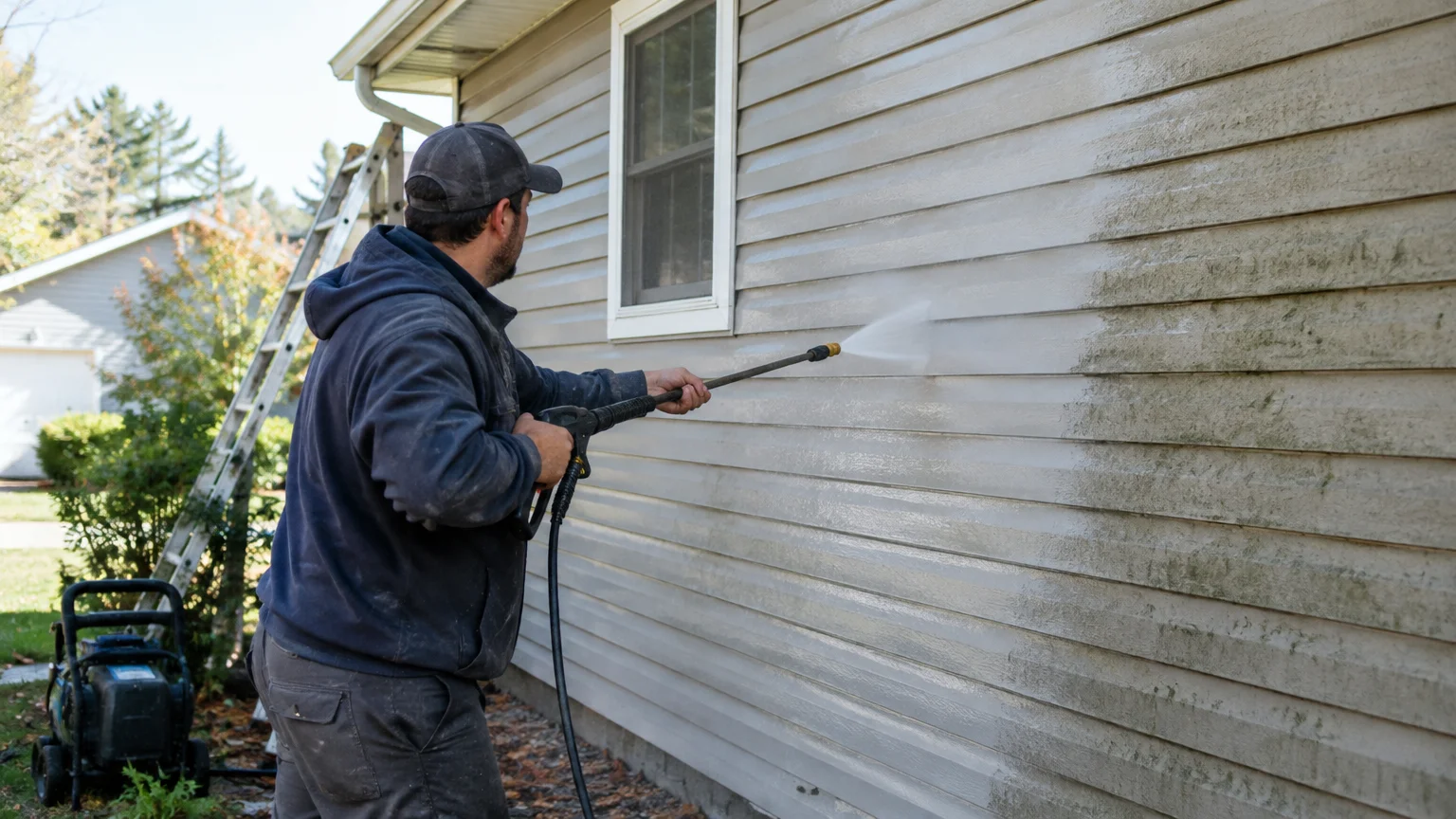
A homeowner can often handle light dust, cobwebs, and loose dirt with a soft brush or gentle rinse. A professional is a better choice for heavy growth, high walls, stubborn stains, or areas with nearby damage. The safest choice depends on access, the siding’s condition, and the cleaning method.
When gentle DIY cleaning is suitable
For a small, reachable area, use a soft cloth or brush and gentle cleaning steps. Test a hidden spot first, rinse gently, and keep water away from open seams and vents. Follow the siding maker’s care advice if you have it. Do not mix cleaners, and do not use a strong spray just because a stain is hard to remove.
A pressure washer can harm vinyl if the spray is too strong, too close, or aimed upward. You do not need to rent one for loose pollen or a few cobwebs. Simple checks and light care are often safe to do without a professional. Stop if the siding moves, cracks, or does not clean with gentle effort.
When professional house washing may help
Professional house washing may help when buildup covers a large area or sits high above the ground. A trained cleaner can choose a softer method for vinyl and protect nearby features. Soft washing means using low-pressure water with a suitable cleaning solution instead of relying on force alone.
A professional may also help when the home has hard-to-reach walls, fragile trim, or marks that keep returning. Ask how the method will protect windows, plants, and openings. Pressure Washing Largo offers house washing services for homeowners who want help with exterior cleaning. Tell the cleaner about known leaks or loose panels before work begins.
What should you do after washing vinyl siding?
After washing, check the siding for missed stains, loose panels, and signs that water reached places it should not. Make sure nearby drains and downspouts carry water away from the home. A simple follow-up check can help find problems early and guide your next cleaning.
Inspect the wall and drainage
Wait until the surface is dry, then compare it with the areas you checked before washing. Look for marks that remain, new gaps, or a panel that seems out of place. If a stain stays, do not keep spraying it with more force. Its cause may need another cleaning method or a repair.
Check around the base of the home, too. Make sure water did not pool near the wall or flow toward the foundation. Clear leaves from the ground and note whether a downspout or sprinkler still wets the siding. Cleaning is one part of home care; good drainage can help limit repeat stains.
Set a practical routine
Keep a short note of when you checked the siding and which areas needed care. At your next yearly check, look at the same walls and note any changes. If one side gets dirty faster, check nearby shade, plants, water spray, and roof drainage before deciding to wash more often.
Key takeaways
- Wash when dirt, stains, or growth are easy to see.
- Check each wall because shade and weather affect buildup.
- Use gentle cleaning for loose dust and easy-to-reach spots.
- Check and repair gaps or damage before washing.
- Choose a professional for high, heavy, or unclear jobs.
Frequently Asked Questions
Can vinyl siding be washed with a pressure washer?
Strong pressure, close spray, or water aimed upward into seams can harm vinyl siding. Homeowners usually do not need a pressure washer for light dust or pollen. For larger jobs, a professional can choose a lower-pressure house washing method that suits the siding and nearby surfaces.
Should vinyl siding be washed every year?
Not every home needs a full wash each year. A yearly check is useful because it can reveal stains, loose panels, and moisture concerns early. Wash when the siding needs it, based on visible buildup, shade, trees, and local weather, rather than following a fixed calendar alone.
Is green growth on siding always mold?
Green marks may be growth, but color alone cannot prove what caused them. Damp shade, nearby plants, and water spray can all help growth form. If marks return quickly or appear with signs of moisture inside, find the water source before washing the wall again.
Can pollen damage vinyl siding?
Loose pollen usually settles on the surface and can often be rinsed away gently. It may make siding look dirty, especially during a heavy pollen season. Avoid hard scrubbing or strong pressure. If pollen sticks with grime, use a gentle cleaning method that suits the siding.
What is the safest way to clean vinyl siding?
Start with a gentle rinse or a soft cloth on a small, easy-to-reach spot. Keep water from spraying upward into seams, and avoid rough tools or strong pressure. Check the siding for damage first. When the wall is high, heavily stained, or hard to reach, consider professional house washing.
Conclusion
The right time to wash vinyl siding is when visible dirt, streaks, or growth show that gentle cleaning is needed. A regular look around the home can reveal which walls collect the most debris and whether moisture may be part of the problem. Homeowners can often handle light care, while high or stubborn buildup may call for professional help.
For help choosing a safe cleaning method, Contact us to discuss house washing with Pressure Washing Largo. A clear look at your siding can help guide the next step without washing more than your home needs.
If you are not sure what you are dealing with, it is worth having someone look at it before it turns into a bigger job. Get in touch with Pressure Washing Largo today and we will tell you where you stand.