Pressure washing pollen works best after the heaviest local pollen has settled and surfaces can dry. A quick rinse can help during pollen season, but fresh dust may soon return. In Largo, watch nearby plants and the weather instead of following a set date. Match the cleaning method to each surface to avoid needless repeat washing.
Pollen does not arrive at the same time everywhere. In Largo, local blooms and changing weather can affect how much dust lands on a home or business. A simple plan helps property owners choose when to wash and what needs cleaning. Pressure Washing Largo can help you think through a suitable approach for your exterior surfaces.
Table of Contents
- How does pollen affect exterior surfaces?
- When is the best time to pressure wash pollen?
- Which exterior surfaces can be pressure washed?
- How should different surfaces be cleaned after pollen season?
- Can pollen be removed with a garden hose or by hand?
- How can you prepare your property for a pollen-season wash?
- How often should you wash exterior surfaces after pollen season?
- Frequently Asked Questions
How does pollen affect exterior surfaces?
Pollen leaves a dusty film on outdoor surfaces, windows, and furniture. It often collects where wind drops it, or below trees. A quick rinse may remove fresh pollen. Older dust can mix with rain, dirt, and other grime, making it harder to wash away.
Where does pollen collect around a property?
Pollen can settle on siding, porch rails, decks, patios, fences, and outdoor furniture. It may also gather on window screens, sills, and ledges. Flat surfaces can show a yellow or green layer of dust. Shaded spots may hold damp dirt for longer.
Homes near trees, gardens, or open fields may collect more pollen than sheltered places. Wind can carry it onto walls and roofs, too. Check spots that are easy to miss, such as the backs of patio chairs and the edges of paths. Regular rinsing can help keep loose dust from building up.
When does pollen buildup become more than a cosmetic issue?
Pollen is often a surface nuisance, but damp dust can stick and mix with dirt. This can make an exterior look dull and may take more work to rinse away. Pollen alone does not mean a surface is damaged. Check the material before choosing how to clean it.
People with pollen allergies may prefer to clean outdoor areas after the heaviest local bloom. Keep windows closed during dusty work. Wash outdoor cushions by following their care labels. If grime stays after a gentle rinse, a more thorough clean may help.
When is the best time to pressure wash pollen?
The best time is often after the main local pollen fall has eased. Choose a mild day when surfaces have time to dry. Check nearby trees and recent weather instead of relying on one date each year. A rinse during peak pollen can still help, but fresh dust may soon settle again.
How do local blooms and weather affect scheduling?
Bloom timing changes with local plants and weather. A warm spell, wind, or rain can affect when pollen appears and where it lands. Watch nearby trees and outdoor surfaces for a few days. When yellow dust stops returning quickly, a full wash may stay clean longer.
Choose a day without strong wind or a storm in the forecast. Wind can carry pollen onto clean areas, while rain may splash dirt onto lower walls. Follow the directions for any product or equipment you use. Avoid washing when surfaces could freeze. In Largo, local signs can help with timing more than a general spring calendar.
Why can washing during peak pollen mean cleaning again?
Pollen may keep falling while nearby plants are still releasing it. Washing removes the dust already there, but it cannot stop new pollen from landing. For many properties, a quick hose rinse can tidy things up for now. A deeper clean may work better after the heaviest pollen has passed.
Not every surface needs to wait. Clean busy entryways or outdoor seating when they need attention, then plan broader washing later. The goal is to remove buildup that affects use or appearance. There is no need to repeat a full clean before it is needed.
Which exterior surfaces can be pressure washed?
Many strong exterior surfaces can be cleaned with the right method. Still, not every surface should get strong water pressure. Material, age, condition, and nearby openings all matter. Check care instructions first, and use a gentle method when you are unsure.
Can siding, brick, and masonry be washed?
Vinyl siding can often be cleaned with a careful, low-pressure wash. Keep water away from seams, vents, and windows. If your home has vinyl siding, test a small hidden spot and follow the maker’s care advice. Do not spray upward under the panels.
Brick and other masonry may need a different method. Old mortar, loose material, or paint can be harmed by forceful washing. A gentle wash is often safer than trying to remove every mark at once. For delicate or damaged masonry, ask a qualified cleaner to check the surface first.
What about decks, patios, driveways, and walkways?
Concrete patios, driveways, and walkways are often tougher than wood, but they still need the right pressure and method. Oil marks may not come off with water alone. For a driveway oil stain, choose a cleaner made for that surface and follow its directions. Do not mix cleaning products.
Wood decks and composite decking need care. Strong pressure can leave marks, raise wood fibers, or harm the surface. Composite decking may be cleaned with water and a soft brush, but follow the maker’s instructions. Fence Cleaning Services and driveway cleaning can help when a surface needs a deeper clean.
How should different surfaces be cleaned after pollen season?
Choose the cleaning method for the surface, not just the amount of pollen. Start with the gentlest method that can do the job. Check the result before doing more. A soft wash uses low water pressure and a cleaning solution suited to the material.
How should a cleaning method match the material?
Loose pollen on strong surfaces may come off with a garden hose. A soft brush and mild cleaner made for that surface can help with stuck dust. Test the method on a hidden spot first. Follow care advice for siding, decking, and outdoor furniture.
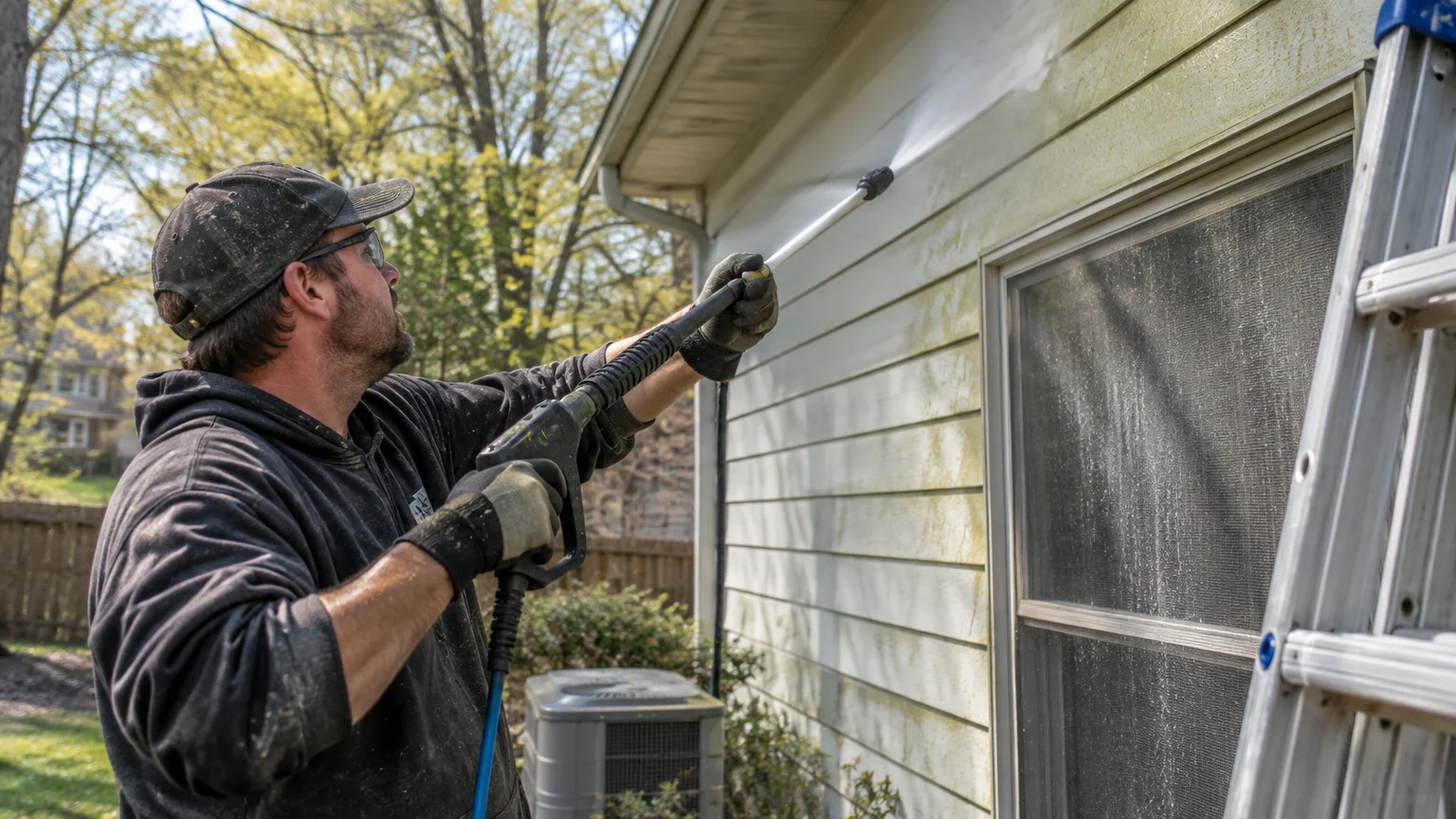
For areas with grime, a pressure washer may help when used at a safe distance and setting. Keep the spray moving instead of aiming at one place. Do not spray electrical fixtures, gaps, or damaged joints. Never use a pressure washer on people or pets.
When is a softer washing approach safer?
A softer method is a safer choice for painted surfaces, older siding, delicate trim, and loose parts. It can also lower the chance of water getting behind siding or window seals. Stop if a test spot changes color, frays, or sheds material.
A stain that remains after gentle cleaning may need a product made for that surface. More pressure is not always the answer. Brick Cleaning Services may help with stained masonry. A qualified cleaner can advise whether a surface needs cleaning or repair.
Can pollen be removed with a garden hose or by hand?
Yes. A garden hose or damp cloth can remove loose pollen from many outdoor surfaces. You do not need a professional for simple rinsing, wiping, or moving outdoor items. Use a soft brush if needed, and avoid scrubbing in a way that could scratch the finish.
What can routine rinsing handle?
A hose can rinse dust from patio furniture, railings, and other sturdy items. A damp cloth can clean small, easy-to-reach places, such as table tops. Rinse from top to bottom so dirty water does not cross a clean area. Follow care labels for cushions and screens.
Do not climb or reach from an unsafe ladder to clean high windows, roofs, or places near power lines. This can lead to a fall or electric shock. Keep children and pets away while you clean. Store cleaning products safely after use.
When may professional cleaning help?
Professional exterior cleaning may help when pollen has mixed with heavy grime, a property has many surfaces, or the work is hard to reach safely. A cleaner can choose a method for the material and check areas that need extra care. Pressure Washing Largo can help property owners across Largo, from Downtown Largo and Harbor Bluffs to Clearwater, Seminole, Belleair, Pinellas Park, and nearby communities.
You can still handle simple upkeep yourself. A professional is not needed for every dusty chair or small patio rinse. Consider help when a surface is delicate, damaged, high, or still dirty after safe routine cleaning. This can help you avoid using too much pressure on the wrong material.
How can you prepare your property for a pollen-season wash?
Move loose items, check nearby plants, and close windows and doors before washing. This helps protect your belongings and keeps water out of the home. It also gives the cleaner a clear view of the surfaces that need attention.
What should be moved or protected?
Bring cushions, toys, small pots, and light furniture indoors or away from the wash area. Cover or move items that water could harm. Let nearby neighbors know if washing may affect a shared path or outdoor space.
Water plants before cleaning if product directions say to do so, and shield delicate plants from spray. Keep pets indoors and secure gates. If you use a cleaning solution, read its label for advice about plants and runoff. Keep wash water away from places where it could cause harm.
What should be checked before washing?
Close windows, doors, and vents that could let water inside. Look for loose siding, cracked trim, damaged seals, and open electrical boxes. Do not spray damaged areas. Clear leaves and loose debris so water can drain as planned.
Check that runoff can flow away from doors and foundations. Move vehicles away from the spray area, especially before driveway washing prep. A clear work area helps prevent damage and makes it easier to see if pollen is gone. Take care not to send dirty water toward a neighbor’s property.
How often should you wash exterior surfaces after pollen season?
There is no one schedule that fits every home or business. Cleaning needs depend on nearby trees, weather, surface type, shade, and how much dirt collects. Check your property after pollen season. Clean when buildup affects appearance, use, or safe footing.
What affects cleaning frequency?
Properties near trees or busy roads may collect pollen and grime faster. Shaded walls can stay damp longer, while sunny surfaces may dry quickly. Decks, patios, and walkways also get different levels of use. Look for visible dust, stuck grime, or slippery growth instead of following a strict schedule.
Routine rinsing can handle light dust between deeper washes. A full exterior clean may be needed less often, based on local conditions and the surface. Keep notes on when pollen appears and how long surfaces stay clean. This can help you make a plan that suits your property.
Pressure washing costs can depend on the size of the area, its condition, access, and the cleaning method. A small rinse is different from cleaning several surfaces with heavy grime. The final cost is confirmed on a quote. Cleaning only when buildup needs attention can also help avoid repeat work.
How can seasonal maintenance fit the year?
Plan around local pollen, but check for dirt after storms and seasonal use, too. Clean outdoor spaces before heavy use when practical, and inspect them afterward. Do not wash in unsafe weather or use a method that goes against the surface maker’s advice.
A useful plan can change with the season. In Largo, watch local blooms and plan a deeper clean when pollen levels ease. Window Cleaning Services or Gutter Cleaning Services may fit other seasonal upkeep needs. Choose only the work your property needs, then check the result.
Frequently Asked Questions
Does rain wash pollen off a house?
Rain can rinse loose pollen, but it may leave dust or streaks behind. Wind can bring fresh pollen soon after a shower. Check the siding and windows once they dry. If a film remains, try a gentle rinse before planning a deeper exterior wash.
Can pressure washing remove pollen from a deck?
It can, but strong pressure may harm wood or mark composite decking. Check the deck maker’s instructions first. A hose, soft brush, or low-pressure method may be enough for loose pollen. Stop if the surface starts to fray, splinter, or change its look.
Should a house be washed during peak pollen season?
You can rinse a house during peak pollen if dust bothers residents or makes outdoor areas hard to use. However, fresh pollen may soon settle again. A larger wash often works better after the main local bloom has eased and surfaces can dry safely.
How can pollen be removed from a driveway?
Rinse loose pollen from a driveway with a garden hose. If dust remains, use a cleaner made for that surface. Oil stains may need separate care and may not come out with water alone. Follow product directions and protect nearby plants from runoff.
Is soft washing safer than pressure washing for siding?
Soft washing uses lower water pressure and may be gentler on some siding. It is not right for every material or condition, so check the siding maker’s instructions. Keep water away from gaps and openings. If siding is loose or damaged, ask a qualified cleaner before washing.
Key Takeaways
- Wash after the heaviest local pollen has eased, when practical.
- Use a garden hose for loose pollen and simple upkeep.
- Match the cleaning method to each surface material.
- Stop if a surface shows damage during a test.
- Prepare the property and check drainage before washing.
Conclusion
Pollen can leave a visible film on siding, decks, patios, and paths. The right time to clean depends on local blooms, weather, and how quickly dust returns. A gentle rinse is often enough for light pollen. More buildup may need a careful wash suited to each surface.
For help planning an exterior wash, Contact us to discuss your property with Pressure Washing Largo.
If you are not sure what you are dealing with, it is worth having someone look at it before it turns into a bigger job. Get in touch with Pressure Washing Largo today and we will tell you where you stand.





