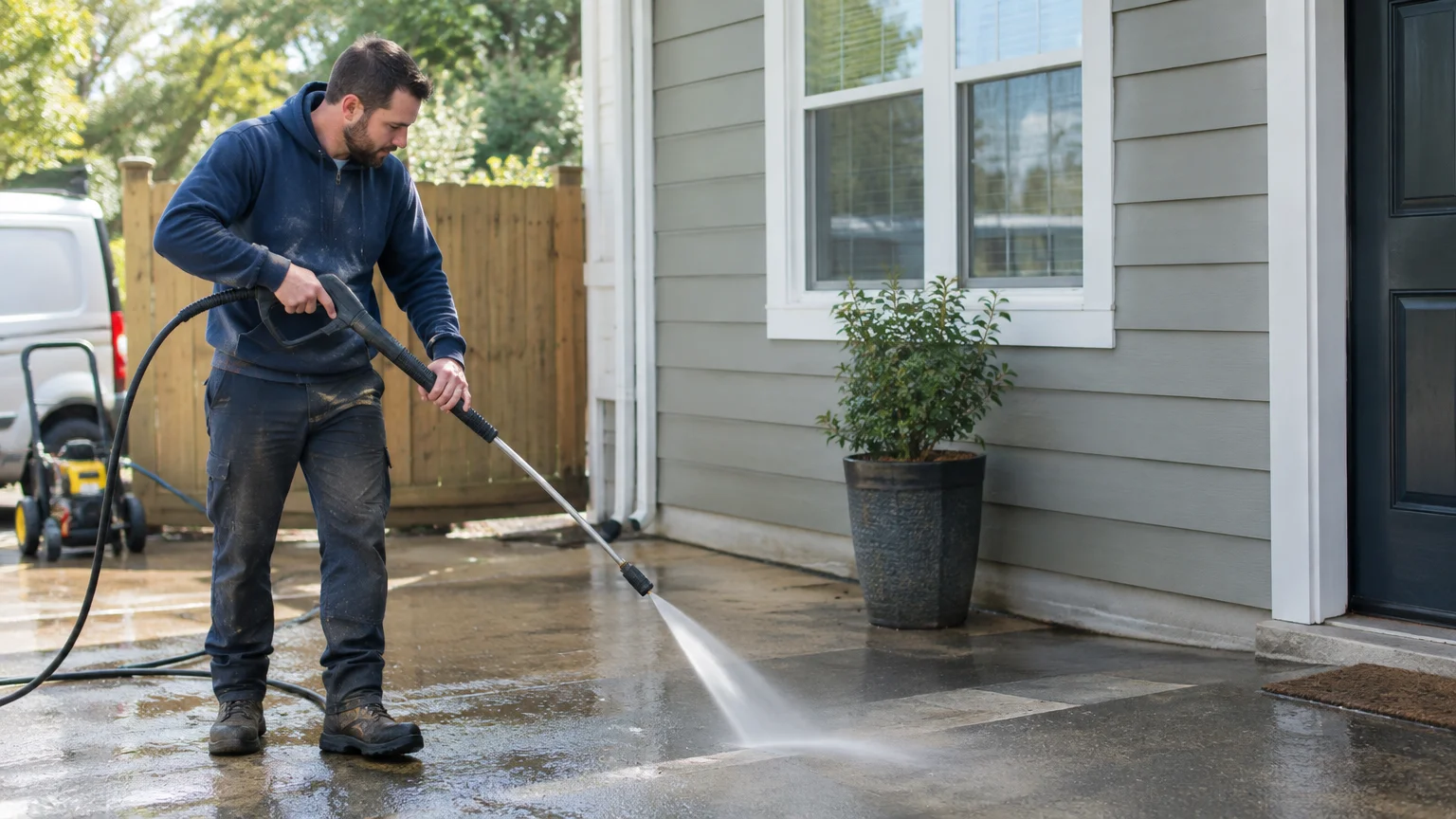
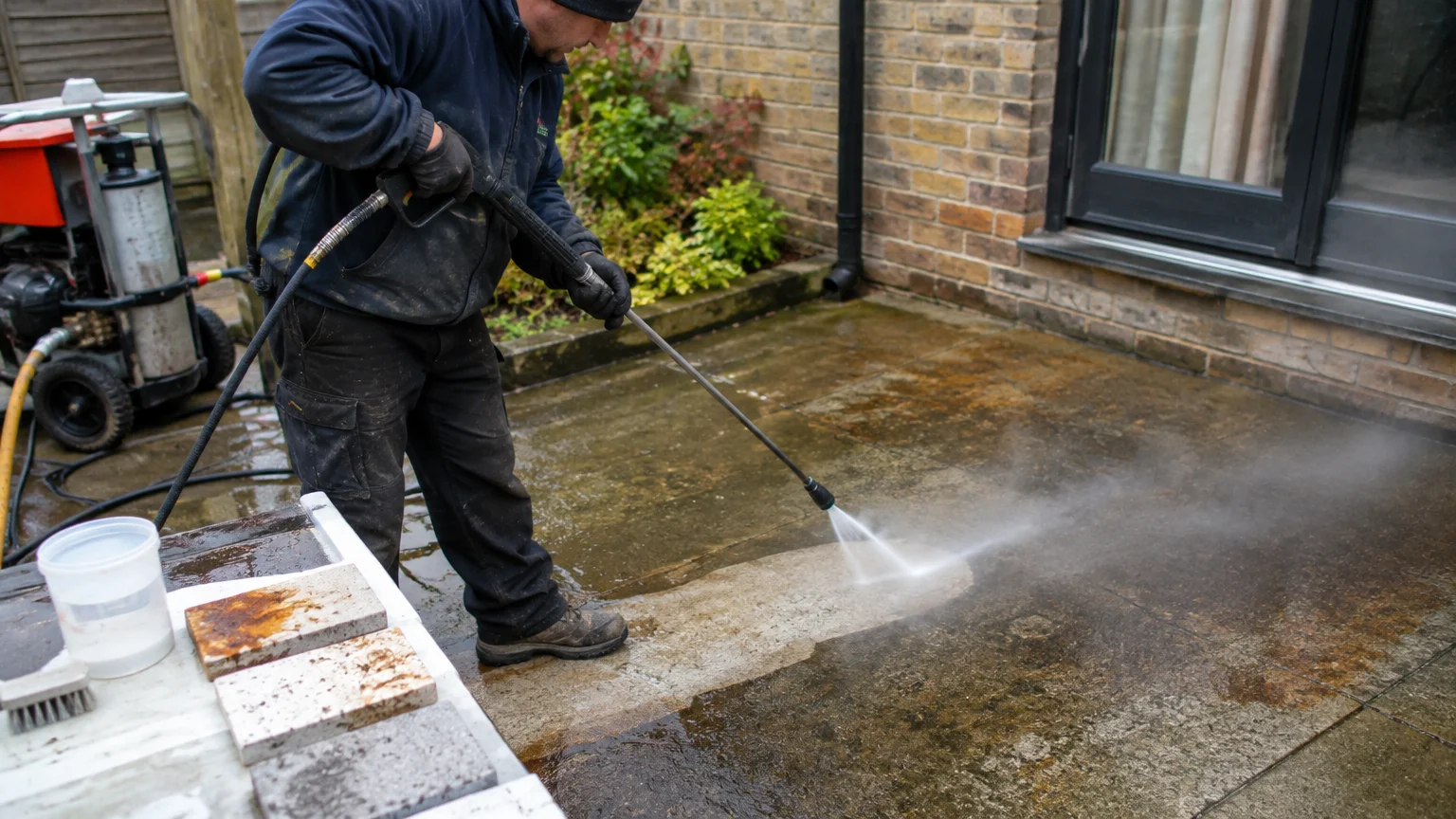
A maintenance wash vs restoration wash depends on the surface and how much dirt has built up. Maintenance washing clears ordinary grime before it settles in. Restoration washing addresses heavier stains and long-neglected areas. In Largo, the right choice starts with checking the material, the kind of buildup, and whether gentle cleaning can remove it safely.
Table of Contents
- What is the difference between maintenance washing and restoration washing?
- When should you choose a maintenance wash?
- When does a property need restoration washing?
- How often should different exterior surfaces be pressure washed?
- What affects how often a property needs washing?
- What is the best time of year to schedule exterior washing?
- How can you tell whether a surface needs routine cleaning or restoration?
- How do cleaning methods differ between maintenance and restoration?
- Can you pressure wash exterior surfaces yourself?
- How can you build a repeating exterior cleaning plan?
- Frequently Asked Questions
- Key takeaways
- Conclusion
What is the difference between maintenance washing and restoration washing?
Maintenance washing clears everyday dirt, dust, pollen, and light surface growth. Restoration washing takes on heavier stains, thick buildup, or grime that has gathered over a long time. Both clean outdoor surfaces, but the steps and products may differ. The surface itself should guide the choice, since a stronger spray is not always safer or more useful.
What a maintenance wash is designed to do
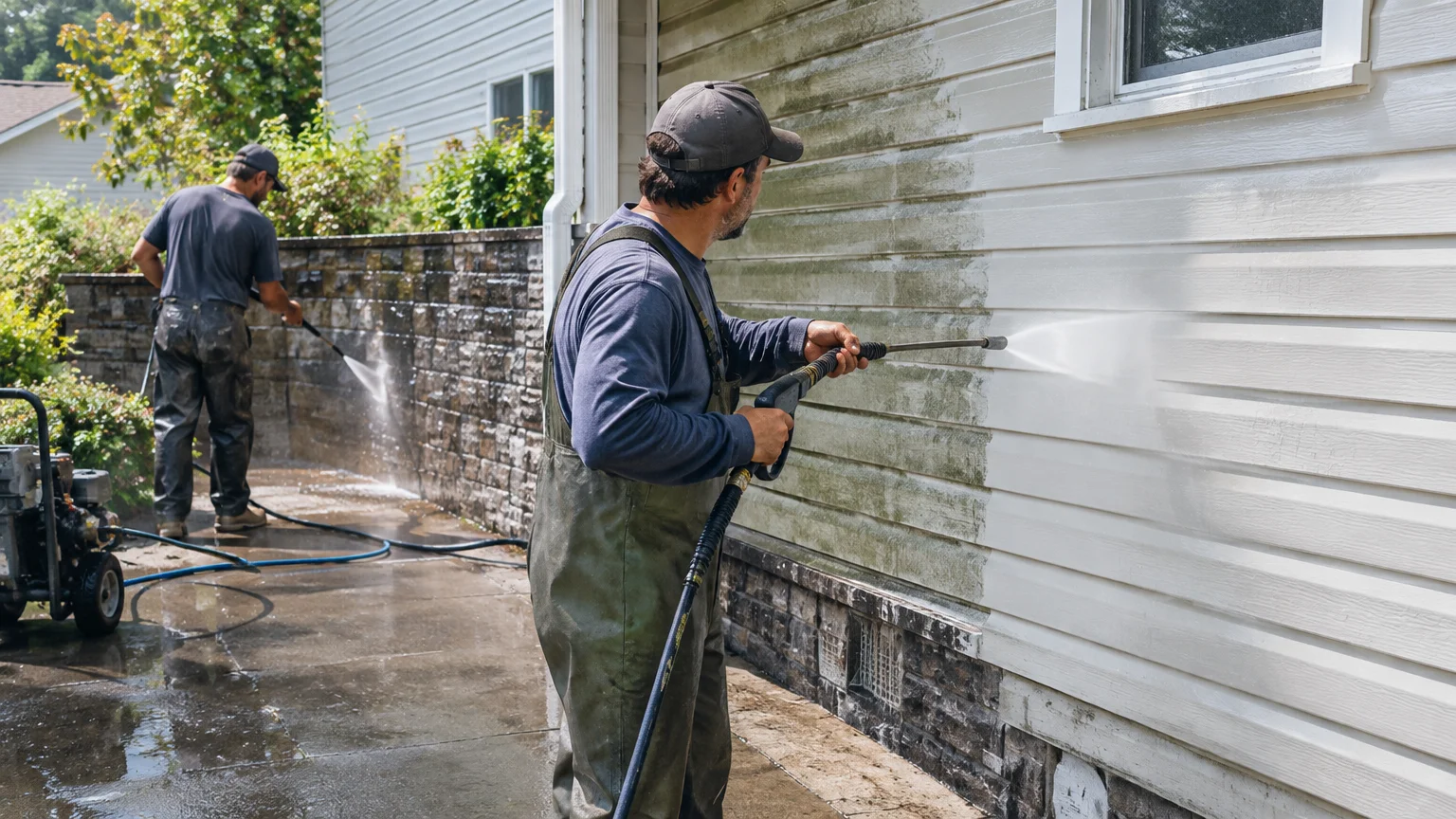
A maintenance wash is planned cleaning that keeps an outdoor surface from becoming badly soiled. It can remove loose dirt, pollen, light algae, and marks that have not settled in. A dull film or a few small patches of growth may be signs that routine care is due. Cleaning before grime builds can make later upkeep easier.
Regular washing can also help you notice a new problem. For example, clean siding may make a loose trim board or small crack easier to spot. Washing does not fix damage, and it should not take the place of repairs. It simply clears dirt that may hide a change in the surface.
What restoration washing aims to address
Restoration washing deals with dirt and stains that routine cleaning may not remove. It may address dark organic growth, thick grime, some oil marks, or years of dirt on a neglected surface. The work can involve a suitable cleaner, more time for it to work, gentle brushing, or a treatment made for that material.
“Restoration” means a deeper cleaning goal. It does not promise that a surface will look new again. Some stains change the material or remain after safe cleaning. Pressure Washing Largo can help property owners decide whether routine care or a deeper cleaning plan makes sense. A careful check matters because adding pressure is not always the answer.
When should you choose a maintenance wash?
Choose maintenance washing when the dirt is light, the material is in good shape, and a suitable gentle method can clear the buildup. This type of care works well before grime becomes thick or stains become harder to treat. It can also help keep a home or business ready for the next season.
Surfaces and conditions suited to routine cleaning
Siding, concrete, patios, fences, and decks can all need regular care. The right method depends on the material, its age, and its current condition. A sound concrete path can handle a different approach from painted wood or older siding. Check care instructions before cleaning a surface with a special finish.
Routine washing can clear dust, pollen, loose soil, and early signs of algae. On a deck, a gentle cleaning may lift surface dirt before it gets pressed into the boards. Composite decking can often be cleaned, but the maker’s care guide should shape the method. Too much pressure may leave marks or harm the boards.
How regular washing helps prevent buildup
A steady cleaning plan can stop some dirt from sitting on a surface for too long. It can also make each visit easier to plan because the property’s needs are easier to track. Washing does not repair leaks, failing paint, loose mortar, or damaged boards. Those problems need separate care before cleaning or as part of a repair plan.
A quick look around the property can help you decide if routine cleaning is enough. Check shaded walls, areas near plants, and places where water tends to sit. If the dirt is light and responds to a safe, gentle method, maintenance washing may fit. Largo property owners do not need to wait until every surface has heavy stains before planning upkeep.
When does a property need restoration washing?
A property may need restoration washing when routine cleaning has not cleared heavy buildup or set-in stains. Broad areas of algae, dark marks, thick grime, or long-neglected surfaces may need extra steps. The safest plan begins by finding the surface material and the likely source of the stain.
Signs that routine cleaning may not be enough
Look for growth over a wide area, stains that remain after gentle cleaning, or layers of dirt that have built up over time. Driveways may have tire marks or oil spots. Fences and siding can show dark areas where shade and moisture last for long periods. These signs suggest that a basic rinse may not be enough.
A stained surface does not always need a powerful wash. Oil can soak into concrete, while rust or mineral marks may need a cleaner suited to that stain. If a mark keeps returning, water may collect nearby or a plant may rub against the surface. Finding the source can help reduce repeat buildup.
How buildup can change the work
Heavy buildup can take more than one careful step to remove. A cleaner may need time to work, and some spots may need gentle brushing before they are rinsed. On delicate materials, cleaning can take longer because the aim is to remove grime without stripping paint, harming wood, or pushing water behind siding.
For oil marks on a driveway, the stain’s age and depth can affect the result. A fresh mark may respond better than oil that has soaked into porous concrete. A safe cleaning plan should not promise that every stain will disappear. If a surface is damaged, deeply stained, or made from an unknown material, have it checked before work begins.
How often should different exterior surfaces be pressure washed?
There is no one washing schedule that fits every property. Siding, concrete, brick, decks, and fences collect dirt at different rates and need different care. Check each area and plan cleaning based on its material, exposure, use, and visible condition. Pressure washing should suit the surface, not follow a set date alone.
Siding, brick, and other vertical surfaces
Siding may need attention when dust, pollen, or algae becomes easy to see. Shaded walls and areas near trees may get dirty sooner than sunny, open walls. Vinyl and painted siding need care to keep water from entering joints or reaching weak spots. Brick also needs a suitable approach; worn mortar may need repair before washing.
A visual check can guide timing better than a fixed calendar date. Look for growth near gutters, downspouts, and damp corners. If a surface is mostly clean, washing it again may not help. If it looks worn, chalky, cracked, or loose, pause and deal with that issue first.
Driveways, patios, decks, and walkways
Concrete areas can show tire marks, oil, leaves, and dark patches from damp conditions. Patio cleaning may be useful when dirt or growth makes the space look worn or feel slippery. A walkway deserves attention when grime or algae makes it harder to walk safely.
Decks and fences need gentler care, especially when they are made of wood or have a finish. Clean composite decking by following the maker’s care guide. Pressure that is too strong can mark wood, strip a coating, or leave lines on softer materials. There is no need to clean every surface on the same day. Pressure Washing Largo can help Largo property owners decide which areas need attention first.
What affects how often a property needs washing?
Local weather, shade, moisture, nearby plants, surface type, and daily use can all affect how often a property needs washing. The best plan responds to real conditions. Regular checks can help you avoid cleaning that is not needed or leaving buildup for too long. In Largo, shade and damp areas are useful places to check as part of routine upkeep.
Climate, shade, moisture, and nearby vegetation
Damp areas can support more organic growth than places that dry quickly. A wall under trees may collect leaves, pollen, and moisture. Downspouts, sprinklers, and poor drainage can also keep an area wet. These spots may need closer checks than surfaces exposed to sun and moving air.
Plants can leave marks or hold moisture against a wall or fence. Trimming branches away from the structure may help surfaces dry and collect less dirt. Many property owners can handle this simple task themselves when it is safe and within reach. Fixing a leaking gutter or sprinkler can also deal with the cause, not just the marks it leaves.
Surface material, use, and existing condition
Porous materials can hold stains more deeply than smooth, sealed surfaces. Old paint, worn wood, cracked mortar, or loose boards may not stand up to the same cleaning method as sound materials. A surface with past damage needs extra care, even if the dirt looks minor.
How a space is used matters too. A busy walkway or parking area may collect grime sooner than a quiet side yard. A driveway used for vehicle work may get more oil marks. Keep notes about problem areas and check them after wet or windy weather. Those notes can help Largo property owners adjust their plan without relying on a rigid schedule.
What is the best time of year to schedule exterior washing?
The best time is when the weather lets surfaces be cleaned and dry safely, and when washing fits other upkeep. Spring is a common time to clear winter dirt and pollen, but it is not right for every surface or region. A mild, dry day may matter more than the season itself.
Planning around seasonal weather and surface conditions
Before scheduling, think about rain, freezing weather, heat, and how fast the surface can dry. Cold weather can make water freeze on paths or steps, making them unsafe. In hot, sunny weather, some cleaners may dry too quickly. Product labels and the surface maker’s advice should guide the timing.
Spring pressure washing may suit a home after pollen and winter grime collect. Fall cleaning can help remove leaves or dirt before colder weather, when local conditions allow. Neither season is a rule. Check the surface first, and address loose paint, cracks, or other damage before washing.
Coordinating washing with other maintenance tasks
Think about what else is planned for the property. Washing before painting or sealing can help prepare a surface, but it must dry fully before the next step. The material should also be ready for the work that follows. Cleaning after new plants or fresh landscaping may call for care to protect them from runoff.
Check gutters, drainage, and nearby doors or windows before work begins. Move loose items and protect outdoor furniture where needed. Do not wash if runoff could carry dirt or cleaner into a sensitive area. A simple seasonal check can help fit exterior cleaning around repairs, landscaping, and outdoor use.
How can you tell whether a surface needs routine cleaning or restoration?
Start by checking the kind of dirt, how much of the surface it covers, and whether the material is sound. Light, loose dirt often suits routine cleaning. Thick growth, deep stains, or marks that remain after safe cleaning may need a restoration plan or another treatment. Look closely before choosing a product or spray.
Assessing the type and extent of visible buildup
Identify what is on the surface before choosing a method. Dust and loose soil are different from oil, rust, algae, or mineral marks. Check whether a mark is in one spot or spread across a wall, deck, or driveway. Also look for peeling paint, soft wood, loose mortar, and cracks.
A small stain in one area may need spot treatment instead of washing the whole surface. Widespread growth, on the other hand, may need a broader plan. If you do not know what caused a stain, avoid mixing cleaners or using a strong product at random. The wrong cleaner may harm the surface or nearby plants.
Why a small test area can help guide the approach
A test area lets the cleaner see how a surface responds before treating a larger section. It can show whether the finish changes, a stain lifts, or the material needs a softer method. Test in a less visible spot and follow the product directions and surface care guide.
A homeowner can safely look for dirt, move loose items, and read care instructions. But testing a high-pressure spray on siding, wood, or an old finish can cause damage. When a surface is weak or the result is unclear, ask a trained cleaner to assess it. A careful check can stop a small cleaning task from becoming a repair problem.
How do cleaning methods differ between maintenance and restoration?
Maintenance cleaning usually focuses on light buildup and a suitable gentle method. Restoration cleaning may need extra steps for heavy stains, but it does not always need more pressure. The method should match the surface and the dirt while limiting the chance of damage. This matters for both house washing and business exterior care.
Choosing pressure, water flow, and cleaning solutions
Pressure is the force of water against a surface. More force is not always better. A narrow spray or a nozzle held too close can harm wood, strip paint, break seals, or push water into gaps. The right setup depends on the material, its condition, and the distance from it.
Cleaning products also need care. Use products made for the surface and follow the label. Protect people, pets, plants, and nearby water areas from spray and runoff. Never mix cleaning products. A rinse may be enough for loose dirt, while an oil mark may need a stain-specific cleaner and a careful rinse.
Why some materials need soft washing or special treatment
Soft washing is a low-pressure cleaning method that uses a suitable solution to loosen dirt or organic growth. It may suit delicate siding, roofs, and other materials that strong spray could harm. The cleaner and rinse still need to match the surface and the maker’s directions. When comparing soft wash vs pressure washing, let the surface and buildup guide the choice.
Brick, wood, composite boards, and painted surfaces all have different needs. Brick with weak mortar may be harmed by forceful washing. Wood can become rough or splinter if sprayed too closely. A washer is only one part of safe cleaning. The method, care, and knowledge of the surface matter just as much.
Can you pressure wash exterior surfaces yourself?
A homeowner does not need a professional for every outdoor cleaning task. You can inspect surfaces, clear loose leaves, gently rinse suitable areas, and follow the maker’s care instructions. A professional is a safer choice when a material is fragile, a stain is stubborn, access is hard, or cleaning may cause damage. Choose based on the task, not simply on whether a pressure washer is available.
Common risks to siding, wood, concrete, and nearby features
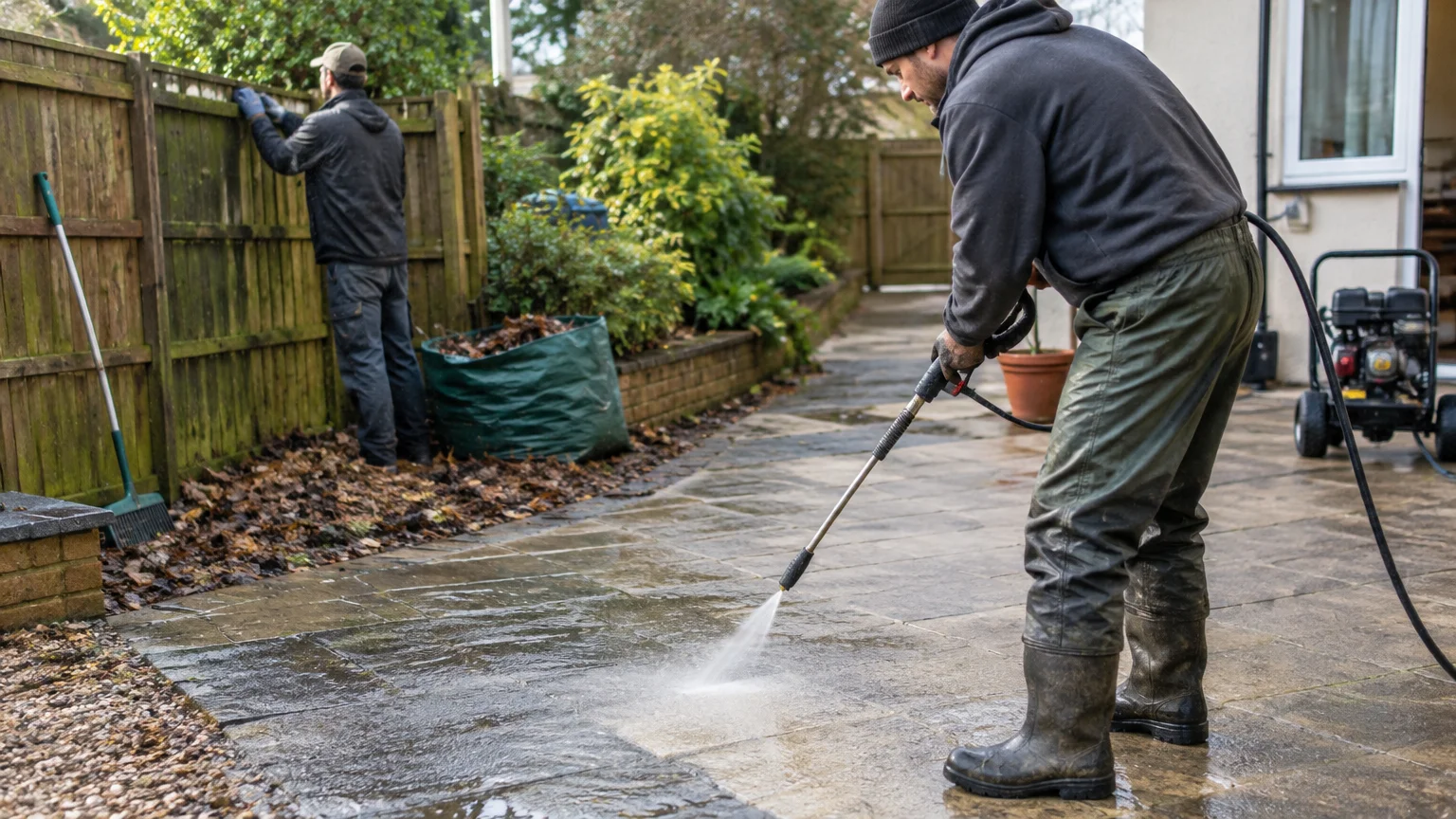
Strong water can force moisture behind siding, strip paint, scar wood, or harm mortar. It may also break seals around windows and doors. On concrete, poor technique can leave uneven cleaning marks. Water and cleaners can harm plants, enter sensitive drains, or make walkways slippery.
A pressure washer can be hard to control, especially from a ladder or near electrical parts. Do not use it from an unstable position. Keep people and pets away from the work area, and wear suitable eye and foot protection. Follow the machine instructions and never aim the spray at people, animals, or fragile items.
When professional assessment is a safer choice
Ask for help when a surface is high, damaged, unfamiliar, or close to openings and delicate features. Professional cleaning may also make sense when a stain needs special care or you are unsure what caused it. A trained cleaner can check the material and choose a method that limits risk.
For house siding, a pressure washer is not always the right tool. A low-pressure method may be safer, and some siding makers give specific cleaning directions. If a home has loose siding, failing paint, or signs of water entry, check those issues before washing. Trying stronger pressure and hoping it works can create more harm.
How can you build a repeating exterior cleaning plan?
Build a plan by listing each surface, checking its condition, and noting what it needs. Set reminders for seasonal inspections, not fixed wash dates for every material. Adjust the plan when weather, shade, use, or the surface condition changes. That helps you plan maintenance washing before buildup becomes harder to manage.
Setting surface-specific inspection and washing intervals
Start with a walk around the property. Note siding, brick, concrete, patios, decks, fences, and walkways. Write down where dirt gathers, where water stays, and which areas remain shaded. Then decide which surfaces need a closer look after rain, leaf fall, or heavy outdoor use.
A simple checklist can keep the plan clear:
- Inspect shaded walls and damp corners for early growth.
- Check paths and patios for slippery dirt or algae.
- Look for oil marks and tire stains on concrete.
- Read deck and fence care guides before cleaning.
- Note damaged paint, loose boards, or cracked mortar for repair.
Handle basic checks and light upkeep yourself when they are safe. A professional can take on work that needs special tools, difficult access, or surface knowledge. Keep cleaning and repair tasks separate so washing does not hide a condition that needs fixing.
Adjusting the plan as conditions change
Review the checklist as the property changes. A new tree can add shade and leaf litter. A repaired gutter may reduce damp marks. A busy rental property may need closer checks around entrances and shared paths. The plan should reflect what is happening, rather than a rule that every outside surface must be washed on a set date.
Keep notes about the method used and how the surface looked afterward. This can show whether routine cleaning is keeping up or buildup is getting harder to remove. If a surface keeps getting dirty in the same place, look for the cause. A useful plan protects the property while avoiding cleaning that is not needed.
Frequently Asked Questions
How often should a house be pressure washed?
There is no fixed schedule that suits every house. Check siding for visible dirt, growth, and damp areas, then clean when the material needs it. Shade, trees, weather, and the siding’s condition all matter. Follow the maker’s care guide, and avoid strong pressure on weak or damaged areas.
Can you pressure wash composite decking?
Composite decking can often be cleaned, but start with the maker’s care guide. Use the recommended cleaner and a gentle method. Strong pressure or a close spray can mark the boards. For ordinary dust and loose dirt, a soft brush and rinse may be enough. Test an unseen area before cleaning a larger section.
How do you remove oil stains from a driveway?
First, check the concrete and how old the stain is. Blot fresh oil without spreading it, then use a cleaner made for oil stains and follow its label. Older oil may have soaked into the concrete, so it may not come out fully. Do not use a stronger spray if it marks the surface.
What is the best time to pressure wash a house?
Choose a mild day when the surface can dry safely and rain or freezing weather is not expected. Spring may work well for pollen and winter dirt, but local weather and the material matter more than the season. Follow the siding maker’s instructions and protect nearby plants and openings.
Is pressure washing the same as power washing?
Both use a machine to spray water under pressure. Some power washers also heat the water, while pressure washers generally use water that is not heated. People may use the names in different ways, so ask what method is planned. The surface and soil should guide the choice, not the name alone.
Key takeaways
- Maintenance washing clears light dirt before it builds up.
- Restoration washing addresses heavier buildup and stubborn stains.
- A safe method depends on the surface, stain, and material condition.
- Weather, shade, moisture, plants, and use affect cleaning needs.
- Homeowners can handle simple checks, while delicate or risky work needs care.
Conclusion
Maintenance washing and restoration washing serve different needs. Regular checks can catch light dirt early, while heavy stains or growth may need a more careful plan. The safest choice depends on the surface and its condition, not simply on how powerful a washer can be. Pressure Washing Largo can help property owners understand which approach suits their exterior.
For help deciding what your property needs, Contact us at Pressure Washing Largo to discuss your surfaces and cleaning concerns.
If you are not sure what you are dealing with, it is worth having someone look at it before it turns into a bigger job. Get in touch with Pressure Washing Largo today and we will tell you where you stand.