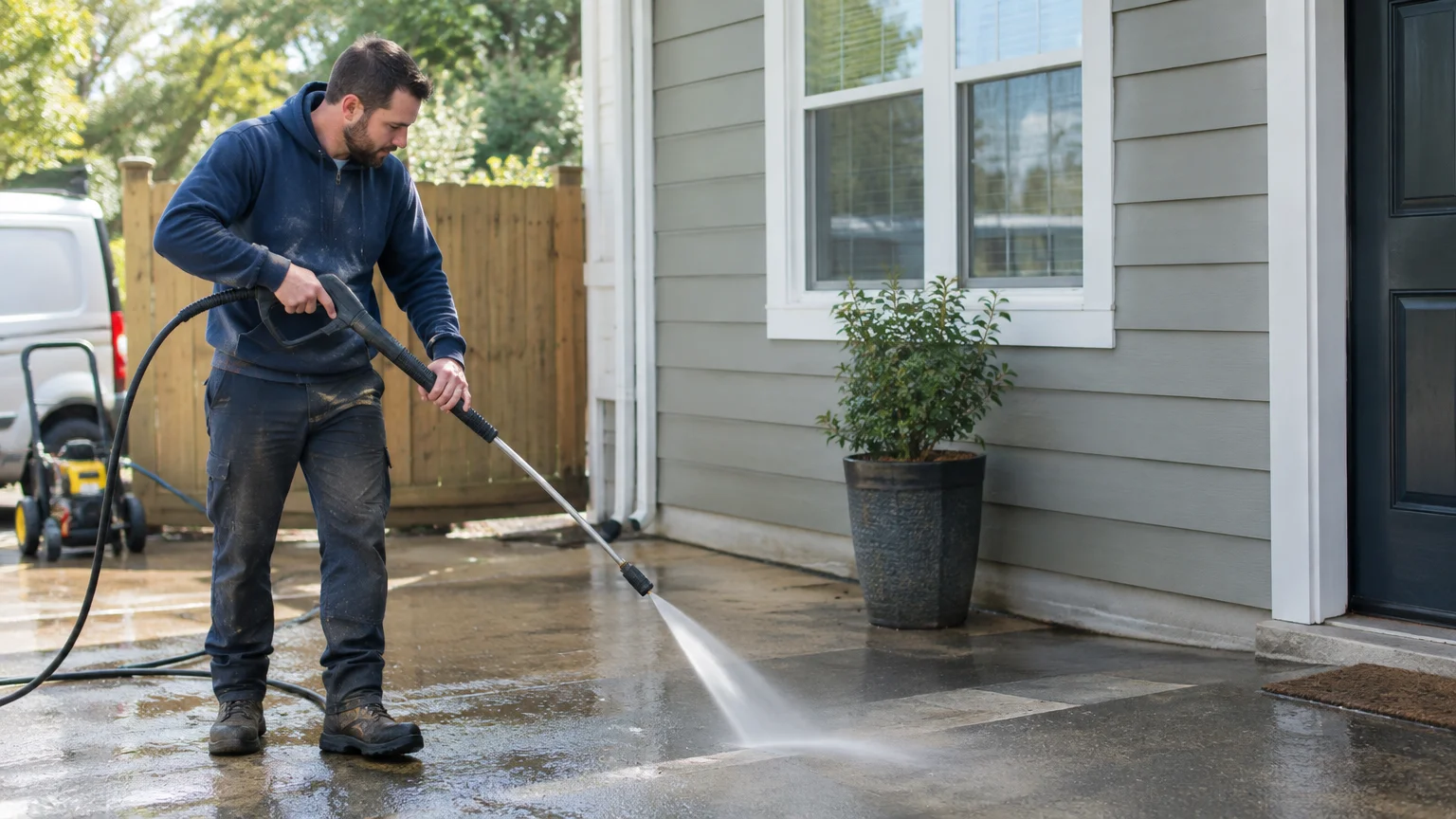
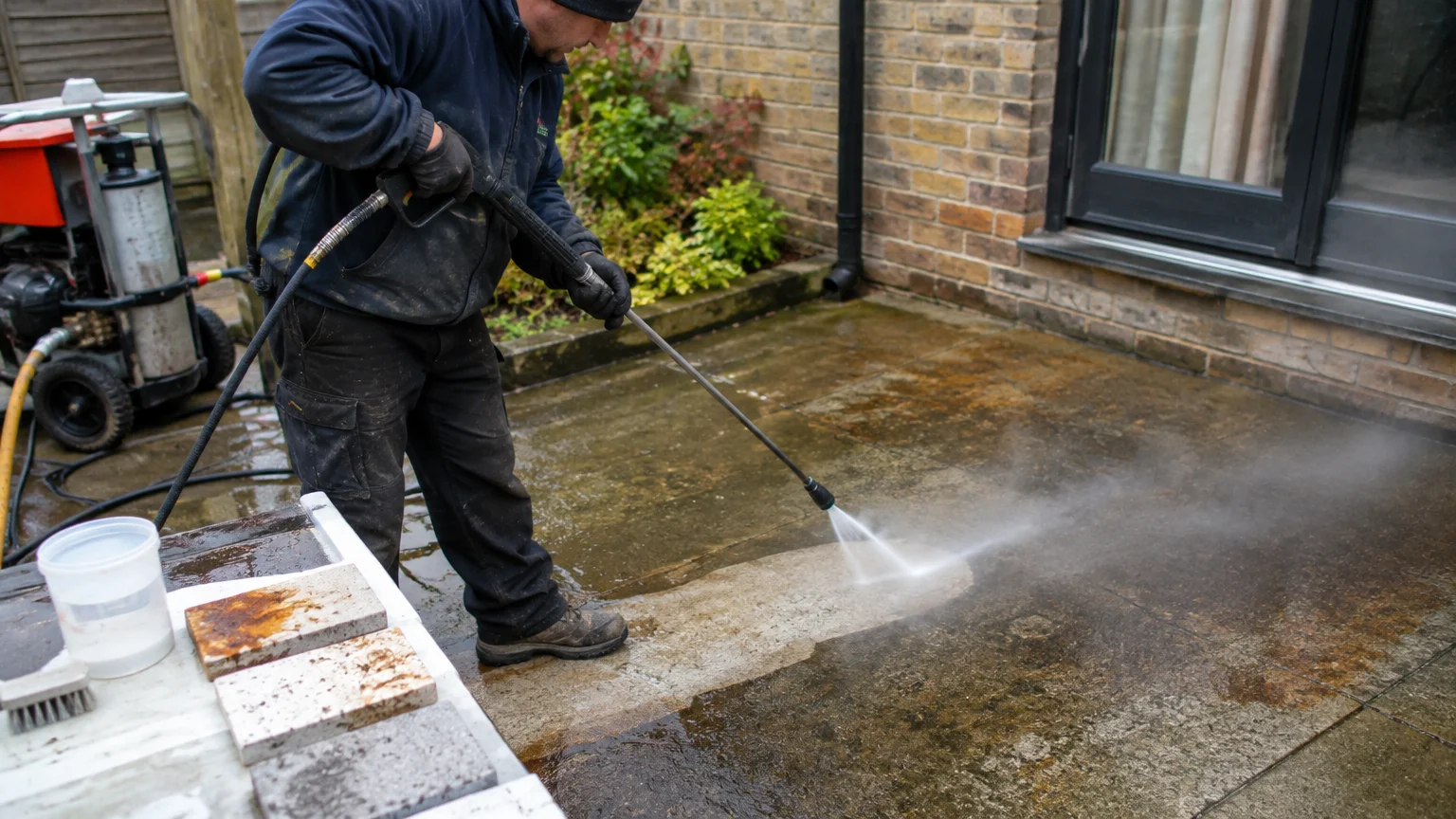
The best time to pressure wash in Largo is during a mild, dry weather window with little rain nearby. Spring and fall often bring good conditions, but summer can work with careful planning. Heat, humidity, wind, surface type, and drying time all affect cleaning results and safety for homes, businesses, driveways, and other properties.
Table of Contents
- What is the best time to pressure wash in Largo?
- Which months are best for pressure washing in Largo?
- Can you pressure wash in the fall and winter?
- How should you plan pressure washing around rain and humidity?
- How often should you pressure wash each exterior surface?
- What is the best weather for pressure washing and sealing?
- How can you create a pressure washing schedule for Largo?
- Key takeaways
- Frequently Asked Questions
- Conclusion
What is the best time to pressure wash in Largo?
The best time is a mild day with no rain in the near forecast. There should also be enough daylight for the surface to dry before evening moisture arrives. Very hot sun, high humidity, strong wind, and freezing temperatures can make cleaning harder. A steady weather window matters more than a certain weekday or month.
Cold weather slows drying and can create ice. Very hot surfaces may dry too fast and leave marks or soap behind. Moderate weather lets cleaners work and water dry at a steady pace. Remember that dark concrete, metal, and walls can become much hotter than the surrounding air in direct sun.
Humidity slows drying on shaded siding, brick, fences, and decks. Strong sunlight can also dry cleaning products before they have time to work. Wood often holds water longer than concrete or vinyl, especially in shaded areas.
Match the washing method to the surface and weather. Pressure washing uses focused water pressure. Soft washing uses lower pressure and cleaning solutions for more delicate surfaces. Roofs, old siding, painted wood, and fragile brick may need trained care. Pressure Washing Largo helps property owners choose a safe washing window for homes, stores, rentals, driveways, and a commercial site.
Avoid storms, strong wind, freezing weather, and extreme heat. Rain can spread dirt and weaken cleaning products. Wind can carry spray onto windows, cars, plants, and nearby buildings. If conditions change, stopping the work can protect the surface and reduce slippery areas.
Which months are best for pressure washing in Largo?
Spring and fall are often the easiest seasons for outdoor cleaning. They may bring milder temperatures and less intense sun. Still, the right month depends on shade, surface type, local weather, and the next rain event.
Spring washing removes winter dirt, pollen, algae, and other buildup before more outdoor use begins. It also gives owners a chance to check siding, driveways, patios, fences, and brick. Look for loose paint, cracks, damaged boards, dark marks, and areas that stay wet.
A spring plan may include:
- Washing siding after much of the pollen has settled
- Cleaning driveways and walkways before regular outdoor use
- Removing algae from patios and pool decks
- Cleaning fences before staining or painting
- Checking brick for dirt, mildew, and loose mortar
Summer can work too, but crews may start early. This helps avoid hot surfaces and very fast drying. Humidity and sudden storms can change the plan. Small cleaning areas can help keep products wet long enough to work. Stores may schedule service before opening or after busy hours. Property managers can plan around tenants and deliveries. The forecast, surface condition, and shade should guide the final choice.
Can you pressure wash in the fall and winter?
Fall can be a good time to wash before winter weather. Cleaning removes leaves, mud, pollen, and organic growth from steps, walkways, patios, and driveways. Try to work after most leaves fall but before repeated freezing weather begins. Check surfaces again after leaf drop because wet leaves can stain and hold moisture.
Wood decks and fences need careful treatment. They may need extra drying time before staining or sealing. A surface can feel dry on top while water remains inside the wood. Shade, airflow, wood condition, and product directions all matter before a coating is used.
Winter washing may be possible in some areas. Freezing temperatures and slow drying create more risk, though. Water can freeze on steps, walkways, plants, equipment, and porous surfaces. Avoid washing when temperatures may reach freezing before the surface dries. Shaded areas often stay cold for longer.
Simple winter upkeep does not need a professional. Homeowners can sweep leaves, clear light debris, and keep drains open. Pressure washing near ice, fragile surfaces, electrical equipment, roof edges, or damaged areas is better left to a trained professional.
How should you plan pressure washing around rain and humidity?
Plan for a dry period before, during, and after washing. Rain can weaken cleaning products, add dirt, and slow drying. High humidity can lengthen the time before sealing or normal use. Check the forecast more than once because a dry morning may be followed by rain, heavy dew, or overnight moisture.
Drying time changes by surface. Concrete often dries faster than wood. Shaded brick, fences, decks, and textured siding may hold water in small pores and joints. Air movement, sunlight, surface color, drainage, and the amount of water used also affect the result.
Concrete, vinyl siding, and smooth metal may dry fairly fast in mild air. Wood, brick, painted surfaces, and shaded areas usually need longer. Do not cover a damp deck or place furniture on wet concrete too soon. Sealing, staining, and painting need a clean, dry surface. Product directions give the best guidance for safe use.
Reschedule when rain is heavy, the surface stays soaked, or more storms are expected soon. Runoff can carry mud back onto clean areas. A light shower does not always cancel a job, but the crew should review the forecast and surface before starting. Homeowners can move loose items and keep people away from wet areas. Slippery surfaces, runoff, electrical equipment, and delicate materials call for professional care.
How often should you pressure wash each exterior surface?
There is no single schedule for every property. Trees, shade, moisture, traffic, and the type of buildup all matter. A shaded home near trees may need care sooner than a sunny home in a dry area. A property beside a busy road may also collect dust and traffic residue faster.
Inspect surfaces instead of following only a calendar:
- Siding may need cleaning when dirt, algae, mildew, or dark streaks spread.
- Driveways often need service when stains, tire marks, or slippery growth appear.
- Patios and pool decks should be checked for algae and damp areas.
- Decks need gentle cleaning that protects wood fibers and old finishes.
- Fences may need care when mildew, dirt, or green growth changes their color.
- Roof cleaning requires special care because many roofs should not receive high pressure. Material, age, slope, and growth type guide the safer method.
Homeowners can sweep, rinse light dust, remove loose leaves, and inspect surfaces. They should avoid high pressure on fragile paint, damaged wood, roof shingles, windows, and electrical parts. Simple checks and light cleaning usually do not need a professional. Heavy growth, deep stains, fragile materials, and unsure equipment settings do.
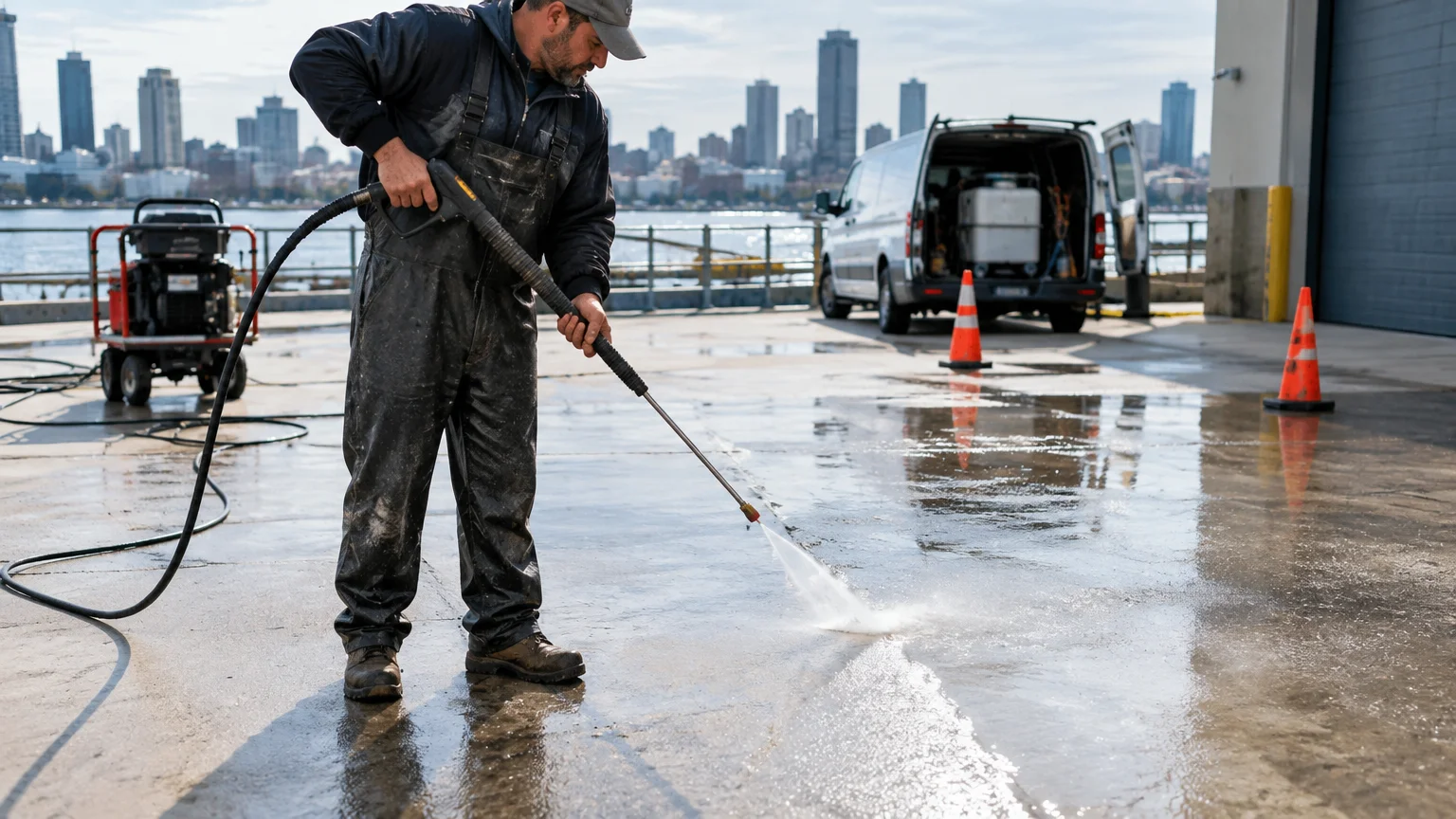
Commercial buildings, rental homes, and busy walkways need close checks. Customers, tenants, deliveries, and outdoor trash areas can add grime quickly. Parking Lot Cleaning Services may help businesses manage oil spots, gum, debris, and traffic buildup. Plan around tenant notices, customers, deliveries, and parking so cleaning does not block entrances.
A professional can help when work covers a large area or involves public access, chemicals, oil buildup, difficult drainage, or equipment that may create a safety problem. Pressure washing costs depend on the surface size, access, buildup, materials, and work needed. The final cost is confirmed on a quote.
What is the best weather for pressure washing and sealing?
The best weather for washing and sealing is mild, dry, and steady. The surface must be clean and dry before sealer, stain, or paint is applied. Rain, heavy dew, high humidity, and freezing weather can affect how well the product sticks. They may lead to cloudy areas, peeling, uneven color, or weak results.
A cure window is the time a product needs to dry and harden. Always follow the product label. Shade, airflow, material type, and changing weather can affect that time. A deck under trees may stay damp after an open driveway looks dry.
Delay sealing when rain is likely soon or moisture is trapped in the surface. Cleaning and sealing do not always belong on the same day. The surface may need to dry fully and pass a moisture check. Wood, brick, and porous concrete often need more drying time than smooth siding.
Homeowners can read the label, check for dampness, and delay work during poor weather. Professional help is useful for large areas, unsure materials, or surfaces that could be harmed by the wrong product. Pressure Washing Largo can help Largo property owners plan cleaning first and sealing later when conditions support both steps.
How can you create a pressure washing schedule for Largo?
Start with the property’s surfaces, weather patterns, and planned use. Note shade, tree cover, tenant turnover, busy seasons, and areas that stay wet. This creates a plan based on actual needs. It also shows which areas need different methods, drying times, access plans, or safety steps.
A home may need earlier service after tree pollen, storms, construction, or a long wet period. A business may need separate plans for customer areas, loading zones, storefronts, and parking spaces. Keep notes about stains, algae, runoff, shade, and places that dry slowly.
A month-by-month maintenance planning checklist
- In early spring, inspect siding, brick, patios, fences, and walkways for winter buildup.
- In late spring, clean outdoor living areas before gatherings and heavy use begin.
- In summer, choose cooler parts of the day and watch for humidity and storms.
- In fall, remove leaves and organic growth before wet weather becomes more common.
- In winter, avoid freezing conditions and focus on safe sweeping and debris removal.
- After severe weather, check for mud, runoff, stains, and blocked drainage areas.
This is a starting plan, not a strict calendar. Weather can delay spring cleaning. Summer storms can interrupt work. Shade can keep surfaces damp after nearby areas dry.
When to schedule around tenants, customers, and property use
Property managers should give notice and keep access routes safe. Cleaning can often happen during slower periods, but the weather window comes first. Mark or block wet areas until they are safe to walk on. Businesses may also need to coordinate doors, deliveries, parking, loading zones, and customer paths.
Tenants and business owners can move outdoor items, unlock gates, and keep vehicles away from the work area. Homeowners can manage basic preparation themselves. Professional help is better when the plan involves public access, difficult drainage, height, fragile surfaces, or hazardous equipment. Pressure Washing Largo serves the main Largo area, from Downtown Largo and Harbor Bluffs to Clearwater, Seminole, Belleair, Pinellas Park, and nearby communities. The team can review the right timing for each surface.
Key takeaways
Seasonal timing helps, but the current forecast and surface condition matter more than one month. Mild, dry weather is usually best, and spring and fall often provide useful windows. Rain, high humidity, strong wind, and freezing temperatures can delay results or create hazards. Wood, brick, decks, and shaded areas may need extra drying time.
Homeowners can handle light sweeping, leaf removal, basic checks, and simple debris cleanup. Risky work needs trained help, especially when it involves height, chemicals, public walkways, electrical parts, freezing weather, or delicate materials.
- Mild, dry weather is usually best for exterior washing.
- Spring and fall often provide useful weather windows.
- Rain, humidity, wind, and freezing temperatures can delay cleaning.
- Wood, brick, decks, and shade may require longer drying time.
- Homeowners can handle light upkeep, but risky work needs professional care.
Frequently Asked Questions
Is spring or fall better for pressure washing?
Spring and fall can both work well. Spring removes winter grime and pollen before outdoor use increases. Fall removes leaves and organic growth before colder weather arrives. The better choice depends on the forecast, surface, shade, and planned use. A clear, dry window matters more than choosing one season every time.
Can pressure washing be done after rain?
Yes, but check the surface first. Heavy rain may leave mud, runoff, and deep moisture. A light shower may cause less delay. Move the work when more rain is expected soon or surfaces cannot dry safely. Homeowners can look for standing water and loose debris. A professional should assess slippery areas, runoff damage, or uncertain conditions.
What psi pressure washer is safe for siding?
PSI means pounds per square inch, a measure of water pressure. The safe level depends on siding material, age, condition, and cleaning method. Too much pressure can force water behind panels or harm paint. Many siding surfaces are better suited to soft washing or lower pressure. Old, loose, cracked, painted, or unfamiliar siding should be checked by a professional.
How do homeowners safely clean a deck with a power washer?
Check the wood, protect nearby plants, use a wide spray pattern, and keep the wand moving. High pressure can cut wood fibers and leave marks. Sweeping is safer for light debris. Old finishes, damage, or heavy growth may need professional help. Anyone unsure about wood condition, pressure, cleaning solution, or drainage should stop and ask for guidance.
What is the difference between pressure washing and soft washing?
Pressure washing relies more on water force to remove surface buildup. Soft washing uses lower pressure and a suitable cleaning solution to treat growth and loosen dirt. The safer method depends on the material. Roofs, old siding, and painted surfaces often need extra care. The wrong pressure or solution can harm a surface or carry runoff toward plants and nearby property.
Conclusion
The best time to pressure wash in Largo depends on weather, surface type, and property use. Mild conditions, low rain risk, and enough drying time usually give better results. Spring and fall are often practical choices. Summer can work when heat, humidity, shade, and storms are managed well. Winter work needs more care because freezing weather and slow drying can create hazards.
Homeowners can safely handle light sweeping, inspections, and simple debris removal. Delicate, large, or hazardous cleaning is better handled by a professional. Pressure Washing Largo can help review the cleaning window and match the method to the surface. Contact us to plan pressure washing for your property.